Does Fragrance-Free Cat Litter Help Cats With Asthma?
Explore whether unscented litter can reduce airway irritation and what other product features matter for cats with asthma.
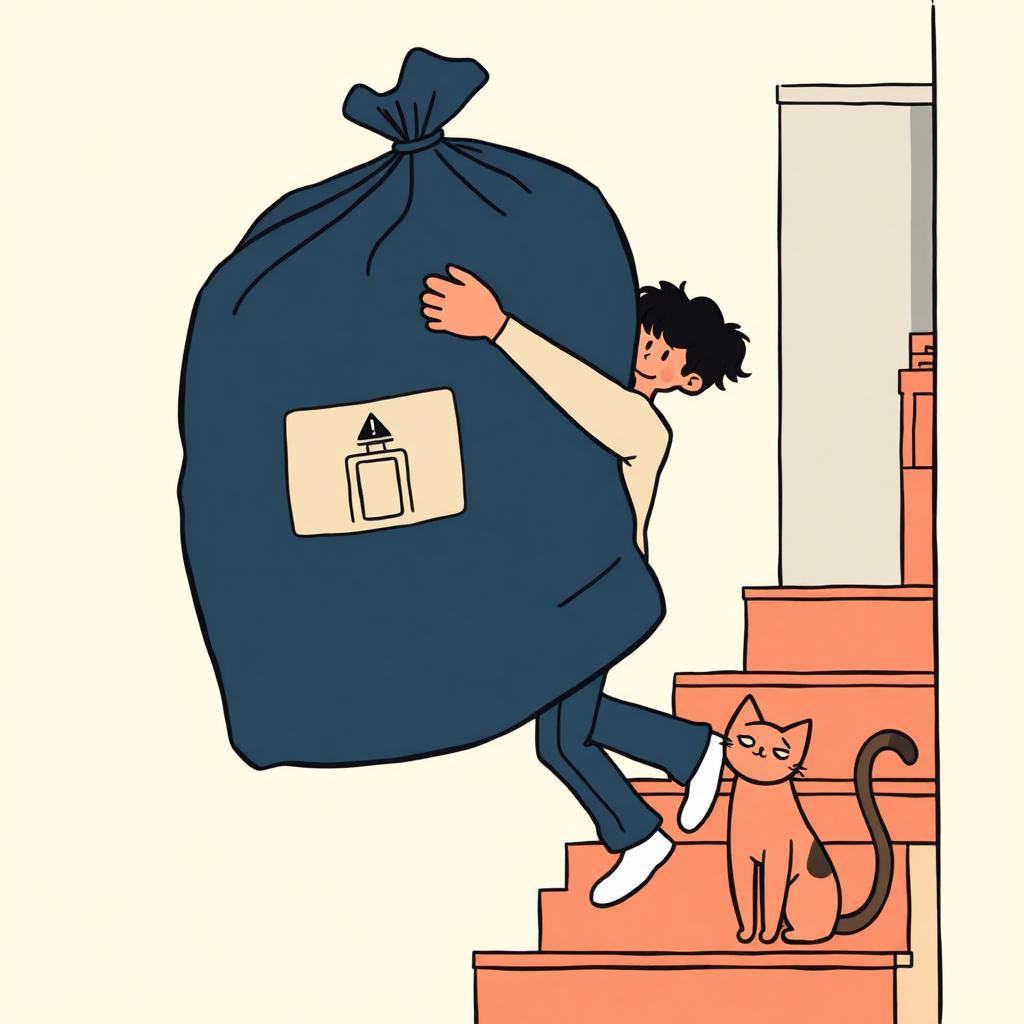
- Your cat coughs, wheezes, or has asthma flare-ups around the litter box.
- Scented litter, dust clouds, and strong cleaning products can irritate sensitive airways.
- A bag labeled unscented may still release fine particles that get inhaled.
- It is hard to know whether the litter, the box setup, or the room itself is the real trigger.
- Start with fragrance free cat litter to remove added perfumes that can irritate the nose and lungs.
- Prioritize low-dust, larger-granule litter that does not create a visible plume when poured or scooped.
- Keep the box in a well-ventilated area and clean it often so urine ammonia does not build up.
- If you want a plant-based option, NEKO can make sense when low dust and no added fragrance matter more than perfume or deodorizer claims.
Why unscented litter is often the first change vets suggest
For many cats with sensitive airways, fragrance free cat litter is a sensible first move because it removes one obvious source of irritation: added perfume. Feline asthma is an inflammatory airway disease. The bronchi become reactive, tighten, and produce mucus. When a cat inhales something irritating, even at a low level, that irritation can contribute to coughing, wheezing, or open-mouth breathing in more serious cases. Scented litter is designed to release odor-masking compounds into the air around the box. That may make the room smell cleaner to humans, but a cat is standing inches from the source with a far more sensitive nose and a much smaller airway. The goal is not to make the litter area smell like lavender or “fresh linen.” The goal is to make it boring. No perfume. No deodorizing cloud. No sharp chemical smell. Unscented litter will not cure asthma, and it will not fix every flare-up, but it removes a common trigger that is easy to control at home. If your cat has diagnosed asthma, think of unscented litter as basic airway hygiene, similar to reducing smoke, aerosols, or dusty bedding.
Fragrance is only one part of the problem
A useful reality check: a bag can be unscented and still be a poor choice for an asthmatic cat. The bigger issue is inhaled irritants, and those include dust, volatile odors, and ammonia from dirty litter. Fine particles are a frequent problem. If you see a puff when you pour the litter, your cat is probably breathing some of that in every time they dig or cover waste. Clay litters can vary widely in dust level. Some crystal litters are low dust, while others can feel harsh underpaw or release sharp-smelling odor control additives. Some natural litters are gentle, while others break down quickly and get powdery at the bottom of the box. Then there is ammonia. Urine that sits too long releases a strong irritant gas. Even if the litter itself is fragrance-free, a poorly maintained box can still aggravate airways. That is why the best litter for an asthma-prone cat usually combines several features: no added fragrance, low visible dust, solid odor control through absorption rather than perfume, and easy daily scooping. Product labels rarely say all of this clearly. Your nose, your eyes, and your cat’s symptoms usually tell you more than the marketing on the bag.
How litter can trigger coughing, wheezing, and flare-ups
The mechanics matter. Cats inhale close to the ground, and the litter box is a high-exposure zone because it combines digging, scratching, waste odors, and often poor airflow. Every time a cat paws through litter, small particles become airborne. Perfumes and deodorizers can evaporate off the litter surface. If the box is covered, irritants may concentrate inside the hood, turning the space into a little chamber your cat has to stick their face into. For a healthy cat, this may simply be unpleasant. For a cat with inflamed airways, it can be enough to provoke a cough. Asthma also tends to work cumulatively. A litter box may not cause a dramatic attack on its own, but repeated low-level irritation can add to other triggers in the home such as smoke, fireplace residue, dust, scented candles, aerosol cleaners, and seasonal allergens. That is why owners sometimes miss the connection. The coughing appears random, but the cat visits the box several times a day. If symptoms worsen after a litter change, after a new deodorizing spray, or when a room gets stuffy, take that pattern seriously. The litter box is not just a bathroom. For an asthmatic cat, it can be a concentrated source of respiratory exposure.
What to look for beyond the word unscented on the bag
When choosing litter for a cat with asthma, treat “unscented” as the starting line, not the finish. First, watch dust. Low-dust matters more than clever odor claims. A simple test helps: pour the litter into a clean box in a shaft of light and look for a visible cloud. Then scoop it after a day of use. Some litters start clean and become dusty as granules break apart. Second, consider texture and particle size. Very fine granules can track less than pellets, but they may also suspend more easily in air. Larger granules or pellet-style formulas often create less airborne debris, though some cats need a transition period to accept the feel under their paws. Third, look at odor control mechanism. Absorption is better than perfume. You want a litter that locks up moisture and waste smell without adding fragrance. Fourth, pay attention to ingredient extras. Deodorizers, odor crystals, and scent beads can be a problem even if the base litter sounds benign. Finally, consider the cat, not just the product. If a litter is technically low dust but your cat digs like a backhoe and emerges in a powder halo, it is the wrong practical choice. The right litter is the one your cat uses comfortably without coughing fit theater afterward.
How to switch litter without causing stress or box avoidance
A perfect low-dust unscented litter is not helpful if your cat refuses to use it. Cats can be extremely particular about substrate texture, smell, and the feel of the box itself. A gradual change usually works best, especially in asthma cats because stress can worsen respiratory symptoms too. Start by mixing a small amount of the new litter into the old one. Over several days, increase the proportion slowly. Many cats adjust within about a week, though some need longer. If your cat already associates the box with discomfort, go more slowly. Keep every other variable stable during the switch: same box, same location, same cleaning routine. Avoid introducing a covered box or a strong disinfectant at the same time. If you have more than one cat, add an extra box during the transition so no one feels trapped into using an unfamiliar surface. Watch for subtle feedback. Hesitating at the edge, perching oddly, shaking paws, or eliminating beside the box all count as signs that the new litter is not landing well. If a plant-based, fragrance-free litter such as NEKO suits your cat’s texture preferences and stays low dust in your setup, it can be a practical fit. The keyword is if. Respiratory comfort and reliable box use both matter.
Litter box setup can matter as much as the litter itself
Owners often focus on the litter and forget the box environment. For asthma cats, setup can change exposure a lot. Start with an open box rather than a covered hood. Covered boxes trap odors, dust, and humidity, which means your cat enters a more concentrated airspace each time they go. Place the box in a room with decent airflow, but not in a drafty high-traffic spot that makes the cat feel unsafe. A quiet corner with regular ventilation is usually better than a cramped laundry closet full of detergent fumes. Scoop at least daily, and more often if you have multiple cats sharing boxes. The point is not aesthetics. It is reducing ammonia and keeping the litter from degrading into dusty fragments. Wash the box with mild unscented soap and rinse well. Strong cleaners, bleach-heavy fumes, and perfumed wipes can undermine all your effort. Fill depth matters too. Too little litter means the cat scratches directly against the box bottom and may stir up waste residue. Too much can encourage dramatic digging and airborne scatter. Most cats do well with a moderate layer that allows covering without swimming in it. If symptoms improve after changing both the litter and the setup, you have likely removed several small irritants that were adding up.
When fragrance-free still does not solve the problem
If you switch to fragrance-free, lower-dust litter and your cat still coughs around the box, do not assume the litter has been ruled out completely. The issue may be the room, the cleaning products, the box design, or a non-litter trigger that happens to show up at the same time. Start by checking for obvious irritants nearby: dryer sheets, air fresheners, scented trash bags, litter deodorizers, aerosol sprays, cigarette or vape smoke, and dusty HVAC vents. Then review whether the litter is actually low dust in daily use. Some products create almost no dust when first poured but become powdery after urine exposure and repeated scratching. Also consider whether your cat’s asthma is simply not well controlled. A cat with active airway inflammation may react to relatively minor exposures that would not bother them during a stable period. Any increase in cough frequency, effortful breathing, or open-mouth breathing deserves a veterinary discussion promptly. The litter box should be part of the management plan, not the whole plan. Medication, environmental control, weight management, and trigger reduction all work together. If your cat improves somewhat but not fully after switching litter, that partial response is still useful information. It tells you irritation likely plays a role, even if it is not the only factor.
Advanced ways to lower respiratory irritation in the litter area
Once you have removed fragrance and reduced dust, the next gains usually come from routine and room control. Use a mat outside the box to catch tracked particles so they are not redistributed around the home. Pour fresh litter slowly and, if possible, when the cat is not standing there supervising. Store litter in a dry place so it does not break down or clump oddly from moisture exposure. If one room consistently feels stuffy, improve ventilation or relocate the box rather than trying to mask odor with scented products. In some homes, an air purifier in the litter area helps reduce floating dust, though placement matters and it should not blow litter particles directly back into the box. Multi-cat homes need extra discipline. More waste means faster ammonia buildup and more digging, which means more airborne debris. Add enough boxes so no single box becomes a concentrated source of odor and dust. Finally, keep a simple symptom log for two weeks after any change. Note cough episodes, litter type, cleaning times, and any household scents used nearby. Patterns show up faster on paper than in memory. If a fragrance-free, plant-based litter stays low dust in your home and keeps odor under control without perfume, that is the sweet spot. Fancy claims are less important than a cat that can breathe and toilet comfortably.
Common questions
Does fragrance free cat litter really help cats with asthma
Often, yes. It removes added perfumes that can irritate a cat’s nose and airways. But fragrance-free is only part of the answer. Dust, ammonia from dirty litter, and strong cleaning products around the box can also trigger symptoms. Most owners see the best results when they combine unscented litter with low dust, daily scooping, and better box ventilation.
What type of litter is usually best for an asthmatic cat
The best choice is usually a litter that is unscented, low dust, and good at controlling odor through absorption rather than perfume. Open-box setup and frequent cleaning matter too. There is no single material that works for every cat. Clay, crystal, and plant-based litters can all be acceptable if they stay low dust and your cat uses them comfortably.
Can scented litter cause coughing in cats without diagnosed asthma
It can. Some cats are simply more sensitive to fragrance, dust, or ammonia than others. You may notice sneezing, brief coughing after box use, watery eyes, or reluctance to enter the box. Those signs do not prove asthma, but they do suggest the litter area may be irritating. Switching to an unscented, lower-dust option is a reasonable first step.
Are covered litter boxes bad for cats with asthma
They can be. Covered boxes tend to trap odors, humidity, and airborne particles inside a smaller space. That means your cat may inhale a more concentrated mix of irritants while using the box. Many asthma-prone cats do better with an open box in a well-ventilated room, provided the location still feels private and safe.
How quickly should I expect improvement after changing litter
If litter irritation is part of the problem, some owners notice less coughing within days. For others it takes longer, especially if the cat also has other triggers in the home or poorly controlled asthma. Change one major variable at a time when possible so you can tell what helped. If breathing seems labored or worsens, contact your veterinarian right away.
One switch. Four problems, gone.
Start a NEKO subscription and get your first 7L bag for 40% off. Free shipping, delivered every 4–6 weeks. Skip, pause, or cancel anytime.