Asthma in Cats: Litter Box Warning Signs That Need a Vet Visit
Learn which coughing, posture, breathing, and activity changes around the litter box can signal a more serious asthma problem.
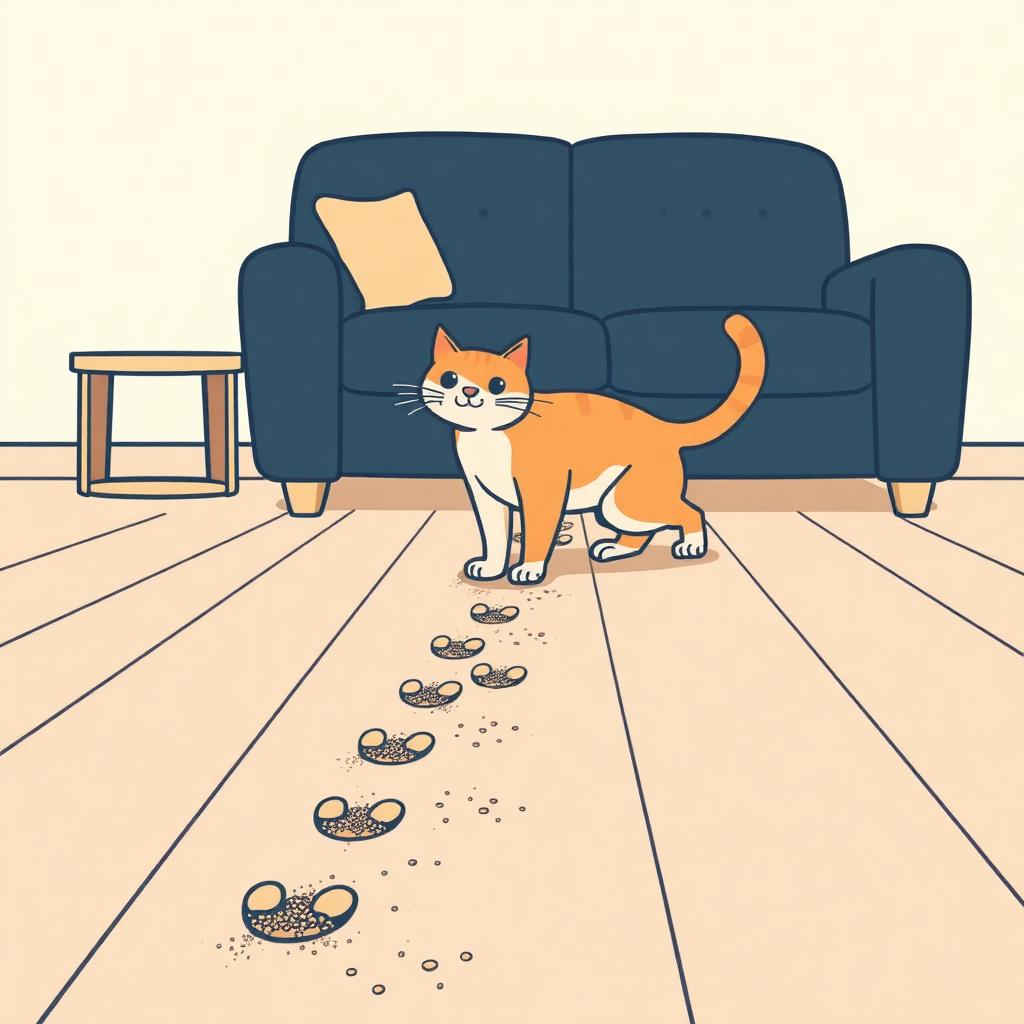
- Your cat coughs, crouches, or seems strained near the litter box, and it is hard to tell hairball from asthma.
- Dusty litter, strong scents, and poor ventilation can irritate sensitive airways and trigger breathing episodes.
- Mild wheezing can look brief and harmless, but breathing changes can escalate faster than many owners expect.
- Some litter box behaviors that look like constipation or stress are actually signs of respiratory distress.
- Watch for patterns: coughing after digging, neck extended while squatting, faster breathing at rest, or avoiding the box after an episode.
- Book a vet visit if symptoms repeat, and seek urgent care for open-mouth breathing, blue gums, or obvious effort to inhale.
- Reduce airway irritants by switching to a low-dust, unscented litter and keeping the box in a well-ventilated area.
- If litter dust seems to be a trigger, a low-dust plant-based option like NEKO may help reduce exposure while you work with your vet.
Why the litter box is often where asthma in cats signs show up first
The litter box is a perfect storm for a cat with irritated airways. Digging throws small particles into the air. Squatting compresses the chest a bit. Many cats also hurry in, dig hard, then bury with enthusiasm that would impress a landscaper. If your cat has asthma or another lower-airway problem, that routine can bring out symptoms you might miss elsewhere. Common asthma in cats signs around the box include coughing during or right after digging, a low crouch with the neck stretched forward, wheezing, or a sudden pause as if the cat needs to catch its breath. Some cats leave the box and then have a coughing fit a few steps later, which owners often mistake for a hairball. The difference is that hairball episodes usually end with some gagging and production, while asthma coughs are often dry, repeated, and lower in the chest. You may also notice your cat using the box normally for urine and stool but seeming tense before, during, or after the visit. That matters. Cats are very good at hiding illness. A symptom that appears only during a dusty, physically awkward activity can be the earliest clue that the lungs are not coping well.
The body posture that should make you pay attention
Cats with airway irritation often use posture to help themselves breathe. Near the litter box, this can be subtle at first. A cat may squat, stop digging, extend the head and neck straight out, and hold the elbows slightly away from the body. That is not just a dramatic pause. It can mean the cat is trying to open the airway and reduce the effort of moving air in and out. During a coughing spell, many cats crouch low to the ground and look as if they are about to vomit. Owners naturally assume hairball. The giveaway is what happens next. If nothing comes up, the cough sounds dry or raspy, and the cat recovers by taking a few shallow breaths, think respiratory problem first. More serious signs include obvious belly movement with each breath, flared nostrils, breathing with the mouth open, or refusing to lie down after using the box because breathing seems easier upright. Open-mouth breathing in a cat is never one to monitor casually. It warrants immediate veterinary assessment. A healthy cat may pant briefly after extreme stress or heat, but a cat panting after a short litter box trip is not giving you a gray-area clue. It is giving you a clear warning.
Coughing, wheezing, and the hairball confusion problem
One of the biggest reasons feline asthma is missed is that the cough can look like a failed hairball. Cats with asthma often crouch, extend the neck, and make repeated hacking sounds. Without context, it is easy to think, there goes another hairball. But repeated dry coughing with no hair produced, especially if it happens near the litter box, should move asthma higher on the list. Wheezing can be even harder to catch. It may sound like a faint whistle on exhale or a soft raspy noise after the cat digs. Some owners hear it only when the room is quiet at night. Others notice that the cat does not actually finish burying waste because the effort of scratching triggers a short coughing fit. Frequency matters more than drama. A mild episode once may not prove much. The same pattern several times over a week is worth documenting and discussing with your vet. If you can safely record a short video, do it. A 20-second clip of posture, cough quality, and recovery is often more useful than a perfect verbal description. Just do not delay care to become a wildlife documentarian. If the breathing looks labored, stop filming and go.
How litter dust and fragrance can aggravate sensitive airways
Asthma is an inflammatory airway disease. That means the tubes carrying air in and out of the lungs become irritated, narrowed, and sometimes packed with mucus. Add airborne particles, and you have a setup for coughing and bronchospasm. Traditional litters vary a lot in dust, and some produce more airborne debris when poured, scooped, or dug in by an enthusiastic cat. Fragrance adds another possible irritant. The issue is not that every dusty or scented litter causes asthma. The issue is that a cat already prone to airway inflammation may react badly to triggers that another cat ignores completely. This is why some owners notice symptoms mostly at the box and not on the couch, windowsill, or bed. Practical changes can help reduce exposure while your vet works on diagnosis and treatment. Choose unscented, low-dust litter. Pour it slowly. Do not top off a box by dumping from a height like you are filling a grain silo. Keep the box in a room with decent airflow, but not in a drafty spot that makes the cat avoid it. Clean the area regularly so tracked particles do not build up. If dust seems to worsen episodes, a low-dust plant-based litter such as NEKO may be a sensible switch. It is not a treatment for asthma, but reducing irritants is sensible housekeeping, not magical thinking.
When a litter box problem is really a breathing problem, not a bathroom problem
Cats with asthma do not always present with obvious coughs. Sometimes the clue is behavior around the box that gets mistaken for constipation, urinary trouble, or stress. A cat may enter the box, squat briefly, step out, and then crouch elsewhere to cough. Another may avoid the box because digging seems to trigger discomfort, leading the owner to assume the cat dislikes the litter. Some cats defecate or urinate normally but seem exhausted afterward, choosing to sit upright instead of grooming or walking away calmly. That post-box recovery period can be very telling. Watch what happens in the two minutes after elimination. Is there increased effort to breathe, a faster respiratory rate, or a dry hack? Does the cat seem restless and unable to settle? These are not classic signs of a simple box preference issue. Of course, urinary blockage, constipation, pain, and stress are also real concerns and can be emergencies in their own right. The point is not to self-diagnose every strange squat as asthma. It is to avoid tunnel vision. If your cat appears normal while sleeping but repeatedly has breathing changes linked to litter box activity, mention that exact pattern to your vet. The trigger context may help separate a respiratory issue from a purely gastrointestinal or urinary one.
What deserves a routine vet appointment and what counts as urgent
A cat that coughs after digging once and then acts normal may not need emergency care that minute, but it does need your attention. Schedule a regular vet visit if you notice repeated coughing, wheezing, reduced activity after box use, or a pattern of symptoms in dusty environments. Keep notes on when episodes happen, how long they last, and whether they occur during digging, squatting, or right after exiting the box. That history helps more than vague memories. Urgent care is different. Go promptly if your cat breathes with the mouth open, has obvious abdominal effort with each breath, seems unable to settle because breathing is hard, collapses, or has pale or bluish gums. Also treat rapid worsening seriously, even if your cat has had mild episodes before. Asthma can flare fast. Do not give over-the-counter human medications, and do not assume a humid bathroom, a new litter, or a quieter room is enough if the cat is distressed. Veterinary diagnosis often involves chest imaging, listening to the lungs, and ruling out look-alikes such as infections, heart disease, parasites, or other airway disorders. The exact plan varies, but the job at home is straightforward: notice patterns early, remove obvious irritants, and do not wait for a dramatic crisis to confirm that breathing trouble is real.
Home changes that can lower trigger load without replacing treatment
Environmental control will not cure feline asthma, but it can make flare-ups less frequent and easier to manage. Start with the box itself. Use an unscented, low-dust litter and avoid heavily perfumed deodorizers, sprays, or liners with strong odor. Scoop often so your cat does not have to dig through a deeper, dirtier bed of litter, which throws more particles into the air. Wash the box with mild unscented soap and rinse well rather than using heavily fragranced cleaners. Place the box in a space with decent air circulation and low household traffic. If the laundry room fills with detergent perfume and dryer exhaust, that is not ideal. Outside the box, reduce smoke, candles, aerosol cleaners, and strong plug-in fragrances. Vacuum with good filtration if your cat tolerates it, and dust surfaces regularly. During home projects, keep cats away from sanding dust, paint fumes, and renovation debris. If your vet prescribes medication, use it exactly as directed and ask for a demonstration if inhaled therapy is involved. Technique matters. A perfectly good treatment used poorly is just expensive choreography. The practical goal is simple: fewer airborne irritants, clearer symptom tracking, and a home setup that does not make the lungs work harder than necessary.
Advanced tracking tips that help your vet make faster decisions
If your cat has intermittent symptoms, good records can shorten the path to answers. Count the resting respiratory rate when your cat is asleep or deeply relaxed. Many owners do this by watching the chest rise and fall for 30 seconds and doubling the number. What matters most is your cat's normal baseline and whether it trends upward over time. Record episodes in a simple log: date, time, activity, litter type, whether digging triggered symptoms, cough description, and recovery time. Note any other environmental factors such as recent vacuuming, scented products, guests who smoked outside and came in smelling like an ashtray, or a full litter change that created a dust cloud. Video can help capture posture and sound quality, especially if the symptom is brief in the clinic. Also note activity changes that are easy to dismiss, such as less jumping after using the box, hiding, reduced play, or sleeping more upright. These details may seem small, but they help your vet judge severity and pattern. If treatment is started, keep tracking. Improvement after switching to a lower-dust routine or after medication gives useful feedback. The point is not to become your cat's unpaid pulmonology fellow. It is to provide enough clear, objective information that the next decision is based on evidence rather than guesswork.
Common questions
What are the most common asthma in cats signs near the litter box?
The most common signs are dry coughing, wheezing, crouching with the neck stretched out, and breathing harder after digging or squatting. Some cats pause mid-bury, leave the box, then cough a few steps away. Others avoid the box because the digging seems to trigger symptoms. Repeated episodes matter more than one isolated cough.
How can I tell if my cat is having an asthma episode or just a hairball?
Hairball episodes often end with gagging and some material produced. Asthma episodes are more often dry, repeated, and lower-chested, with little or nothing coming up. Posture can look similar, which is why video helps. If the cat seems short of breath, wheezes, or recovers with shallow breathing, treat it as respiratory until a vet says otherwise.
Can cat litter make asthma worse?
It can aggravate symptoms in some cats, especially if the litter is dusty or strongly scented. Litter does not create asthma by itself, but airborne particles and fragrance can irritate already sensitive airways. A low-dust, unscented litter and better box ventilation are reasonable changes while you work with your vet on diagnosis and treatment.
When should I take my cat to the vet for coughing after the litter box?
Book a vet visit if coughing happens more than once, follows a clear pattern around the litter box, or is paired with reduced activity, wheezing, or visible effort to breathe. Seek urgent care right away for open-mouth breathing, blue or pale gums, collapse, or obvious distress. Cats can worsen quickly, so do not wait for a severe attack.
Will switching to a low-dust litter cure feline asthma?
No. A litter change may reduce one trigger, but it does not treat the underlying airway inflammation. Some cats improve noticeably when dust and fragrance are reduced, which is helpful, but true asthma still needs veterinary assessment and often ongoing management. Think of low-dust litter as support, not a substitute for care.
One switch. Four problems, gone.
Start a NEKO subscription and get your first 7L bag for 40% off. Free shipping, delivered every 4–6 weeks. Skip, pause, or cancel anytime.