Pine vs Paper Cat Litter: Which Is Better for Softness, Smell, and Cleanup?
Compare pine and paper litter across absorbency, odor control, texture, and ease of maintenance for common cat household needs.
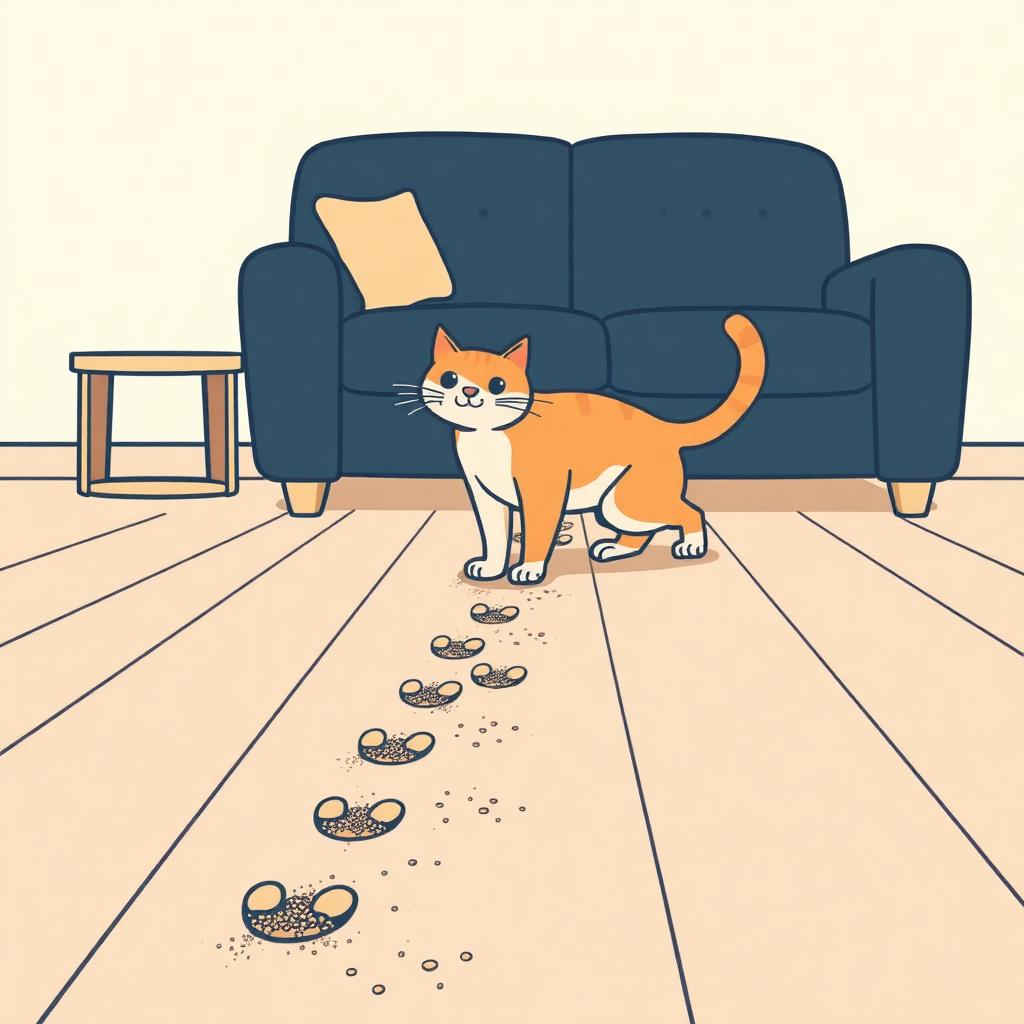
- Your cat dislikes rough pellets or dusty litter and starts avoiding the box
- Odor builds up fast, even when the litter is marketed as natural
- Wet spots turn into mush or sawdust that is annoying to clean
- You want a low-tracking, low-dust option but need one that still works daily
- Match litter texture to your cat first, because comfort usually decides box acceptance
- Choose based on how the material handles urine: pine breaks down into sawdust, paper swells and holds moisture
- Use a sifting setup for pellets and scoop solids quickly to keep odor under control
- If you want a plant-based litter with a softer feel than many wood pellets, NEKO can make sense for cats that reject hard textures
How pine and paper litter differ in real daily use
The biggest difference in pine vs paper cat litter is not the label on the bag. It is the way each material behaves after your cat actually uses the box. Pine litter is usually made from compressed wood fiber formed into pellets or granules. When urine hits it, the material starts to break apart into damp sawdust. Paper litter is typically made from recycled paper compressed into pellets or soft granules, and instead of crumbling the same way, it tends to swell and hold moisture inside the fibers. That changes everything: smell, texture under paw, and how often the box feels dirty. Pine often smells naturally woody at first and can mask fresh urine for a while. Paper usually has a much milder scent and relies more on absorption than aroma. Texture matters too. Many pine litters feel firmer and more rigid, while paper is often softer, lighter, and easier on sensitive paws. Cleanup is where owners notice the tradeoff fast. Pine can be efficient in a sifting tray because the used material falls through once it disintegrates. Paper can be simpler to scoop in a standard box, but soggy pellets may stick together and need more frequent removal. Neither is automatically better. The better choice depends on your cat’s feet, your nose, and how much maintenance you are willing to do.
Softness and paw comfort: paper usually wins, but not for every cat
If softness is your top concern, paper litter usually has the edge. Most paper pellets are lighter and less abrasive than pine pellets, and some paper-based litters come in a fluffier texture that feels gentler for kittens, seniors, and cats recovering from surgery. Cats with arthritis, declawed cats, or cats with general litter box fussiness often notice surface feel more than owners expect. A box can be spotless, but if the litter feels hard and poky, some cats will stand on the edge, rush the job, or start looking for softer alternatives like rugs or laundry. Pine pellets are not sharp, but they are often denser and firmer under paw. Some cats do not care at all. Others clearly do. Pellet size matters here. Larger pellets create more pressure points under small paws, while finer granules spread weight more evenly. The catch is that softer litter can also track more and compress faster when wet. So if your household priority is comfort, paper is a strong starting point, especially for sensitive cats. If your cat tolerates firmer surfaces and you want less scatter around the box, pine remains a practical option. For cats that reject both very hard pellets and dusty clay, a softer plant-based litter can be a useful middle ground. That is one reason some owners test alternatives like tofu litter when comfort is the sticking point.
Odor control depends on how each fiber handles urine and stool
Odor control is where marketing gets vague, but the mechanism is simple. Smell gets worse when urine sits on the surface, spreads across the box, or remains trapped in wet material for too long. Pine helps in two ways. First, dry wood fiber can absorb moisture reasonably well. Second, the natural wood smell can blunt the first wave of litter box odor. That does not mean pine eliminates odor. Once pellets break down and the sawdust becomes saturated, smell tends to rise quickly if the box is not sifted or changed. Paper litter handles odor differently. It usually has less of a masking scent, so what you get is a more neutral baseline but less help from the material itself. If the paper absorbs deeply and you remove waste often, odor can stay manageable. If not, wet paper can start to smell stale because the moisture remains in the box longer. Stool control is also practical rather than magical: whichever litter coats and isolates stool better will smell better between scoops. In many homes, pine smells fresher early and paper smells less perfumed overall. For one cat with consistent scooping, either can work. For multi-cat homes or owners who miss a cleaning cycle, both can struggle compared with a faster-clumping litter. Natural does not automatically mean better odor control. The maintenance routine still decides most of the result.
Absorbency and moisture management are the real performance test
Absorbency is not just about how much liquid a litter can take in. It is about where that liquid goes and what happens next. Pine pellets absorb urine and then physically break apart. That can be helpful because it creates a visible signal that the used litter is ready to be removed. In a proper sifting box, dry pellets stay on top and the spent sawdust drops below, which keeps the walking surface cleaner for longer. But if you use pine in a regular tray without a good system, the broken-down layer can mix with intact pellets and turn maintenance into a chore. Paper litter usually absorbs by swelling and retaining liquid inside the fiber structure. It can feel cleaner at first because the pellets remain more intact, but over time that retained moisture can create heavy wet patches that need to be scooped or fully dumped. This is why two owners can report opposite experiences with the same category of litter. The box setup changes the result. If your cat urinates heavily, absorbency speed matters. If urine pools before absorption, smell follows. If litter remains wet in one corner, your cat may avoid that area and start eliminating elsewhere. For high-output cats, senior cats, or homes with one box getting frequent use, choose the material that matches your cleaning style, not the one with the nicest bag copy. Pine tends to reward sifting. Paper tends to reward frequent spot removal and more regular full refreshes.
Cleanup and maintenance: pine is easier with the right box, paper is simpler with the right expectations
Owners often ask which is easier to clean, but the better question is easier with what setup. Pine litter is often easier in a sifting tray because urine turns pellets into sawdust, and that spent material can be separated from clean pellets with minimal scooping. Solids still need to be removed promptly, but daily maintenance can be quick once the routine is set. Without a sifter, pine is less convenient. You may end up stirring through damp sawdust and half-broken pellets, which is not elegant. Paper litter fits a standard litter scoop and regular box more naturally. You remove stool, pull out the soaked clumps or wet pellets if possible, and replace litter as needed. The downside is weight and bulk. Wet paper can become heavy, and if too much stays behind, the whole box starts to feel loaded with moisture. Tracking is another cleanup issue. Pine pellets usually track less because the pieces are larger, though sawdust from broken pellets can appear around the box. Paper pellets can bounce or scatter, but many cats track them less than fine clay. If your goal is the fastest daily routine, pine in a good pellet system often wins. If your goal is straightforward box management without special trays, paper can feel more intuitive. Neither material is maintenance-free. The honest answer is that both natural litters ask you to be a little more involved than clumping clay, just in different ways.
Dust, tracking, and allergies: small differences can matter a lot
For cats and humans with respiratory sensitivity, dust is often the deciding factor. Both pine and paper are usually marketed as low-dust compared with clay, and that is often true when you pour a fresh bag. But real-world dust changes as the litter breaks down. Pine starts relatively tidy in pellet form, then creates fine wood particles as pellets disintegrate. If the box is stirred aggressively or the lower tray is overdue for emptying, that dry sawdust can become noticeable. Paper litter is often softer and less irritating during handling, but some versions shed fiber dust or fuzz, especially once pellets begin to fray. Scent sensitivity also matters. The natural wood smell of pine is pleasant to some people and too strong for others. Paper has a more neutral profile, which can be useful in small apartments or for households that dislike any lingering litter scent. Tracking tends to favor pellet formats overall because the pieces are larger and less likely to cling between toes. Still, cats that kick hard can launch either material outside the box. A high-sided box and a good mat help more than switching brands repeatedly. If your cat has a history of asthma, allergies, or avoiding dusty boxes, focus on litter breakdown over time, not just the first pour. A litter that starts clean but degrades into dust by day three may not be the low-dust solution you were hoping for.
Which litter works better for kittens, seniors, and picky cats
Life stage changes the answer. Kittens are often curious, messy, and still learning the box routine, so softness and low dust matter more than perfect odor control. Paper is commonly preferred in that context because it is gentle, less likely to form hard bits under tiny paws, and often recommended after procedures when a non-clumping material is needed. Senior cats bring a different set of issues: reduced mobility, joint stiffness, and less tolerance for stepping on uneven or hard surfaces. A softer litter usually gets better compliance, especially if the box has a low entry and the litter depth is not excessive. Pine can still work for seniors who are already used to pellets, but it is not the safest default if comfort is questionable. Picky adult cats are the wildcard. Some dislike the woody smell of pine. Some hate the feel of paper pellets because the surface feels unstable or unfamiliar. Others care only about cleanliness and will use either if the box is maintained properly. If your cat has started refusing the box, avoid dramatic litter changes unless you have a backup plan. Transition gradually by mixing old and new over several days and watch behavior closely. When cats reject both paper and pine, texture is often the reason. That is where a softer, low-dust plant-based option can genuinely help. NEKO is relevant here only if your cat needs something gentler than standard pellets without going back to dusty clay.
How to choose based on your home, not just the material
The best litter on paper can still be wrong for your household. Start with your constraints. If you have one cat, scoop reliably, and want a softer feel, paper may be the easier fit. If you want lower tracking and are willing to use a sifting system, pine often becomes more efficient. In a small apartment, odor profile matters more, so decide whether you prefer the natural scent of wood or the more neutral smell of paper. In multi-cat homes, neither pine nor paper always keeps up as well as owners hope unless you have enough boxes and a strict cleaning schedule. Box count matters more than most people want to admit. So does placement. A great litter in a cramped laundry corner with poor airflow will still smell bad. Depth matters too. Too little litter leads to fast saturation. Too much can make pellets unstable and wasteful. Start moderate, then adjust based on where wet spots form. If you are transitioning from clay, expect an adjustment period. Many cats notice pellet size immediately, and some owners mistake confusion for total rejection. Give the cat a fair trial while keeping at least one acceptable box available. If your main frustration is that both pine and paper solve one problem while creating another, that is when newer plant-based litters become worth considering. They are not magic, but they can balance softness, odor control, and easier scooping in a way pellet litters sometimes do not.
Common questions
Is pine vs paper cat litter better for odor control?
It depends on your cleaning routine. Pine often smells fresher at first because of the natural wood scent and decent urine absorption, but once it breaks down and stays saturated, odor can rise fast. Paper has a more neutral smell and can work well if you remove wet spots and solids regularly. If you scoop inconsistently, neither will perform at its best.
Which is softer on a cat's paws, pine or paper litter?
Paper litter is usually softer. That makes it a better starting point for kittens, senior cats, and cats with sensitive paws. Pine pellets are often firmer and denser, which some cats tolerate fine and others clearly dislike. If your cat avoids pellet litters, texture is often the issue.
Does pine litter track less than paper litter?
Often, yes. Pine pellets are usually larger and less likely to stick between toes, so they tend to track less than softer or smaller paper formats. But once pine breaks into sawdust, you may notice more fine debris around the box. A litter mat and high-sided box help either way.
Is paper litter safer for kittens after surgery?
Many vets recommend a non-clumping litter after certain procedures, and paper is commonly used because it is soft and less likely to stick to healing tissue. Always follow your veterinarian's specific instructions, because the right option depends on the procedure and your kitten's behavior.
Can I switch my cat from clay to pine or paper litter right away?
It is better to transition gradually over several days. Mix a small amount of the new litter into the old one, then increase the ratio as long as your cat keeps using the box normally. Sudden texture changes can cause avoidance, especially with pellet litters.
One switch. Four problems, gone.
Start a NEKO subscription and get your first 7L bag for 40% off. Free shipping, delivered every 4–6 weeks. Skip, pause, or cancel anytime.