Why Scented Litter Can Be Hard on Sensitive Cats
Fragrance may mask odor for people, but it can irritate some cats’ noses, skin, or lungs more than owners realize.
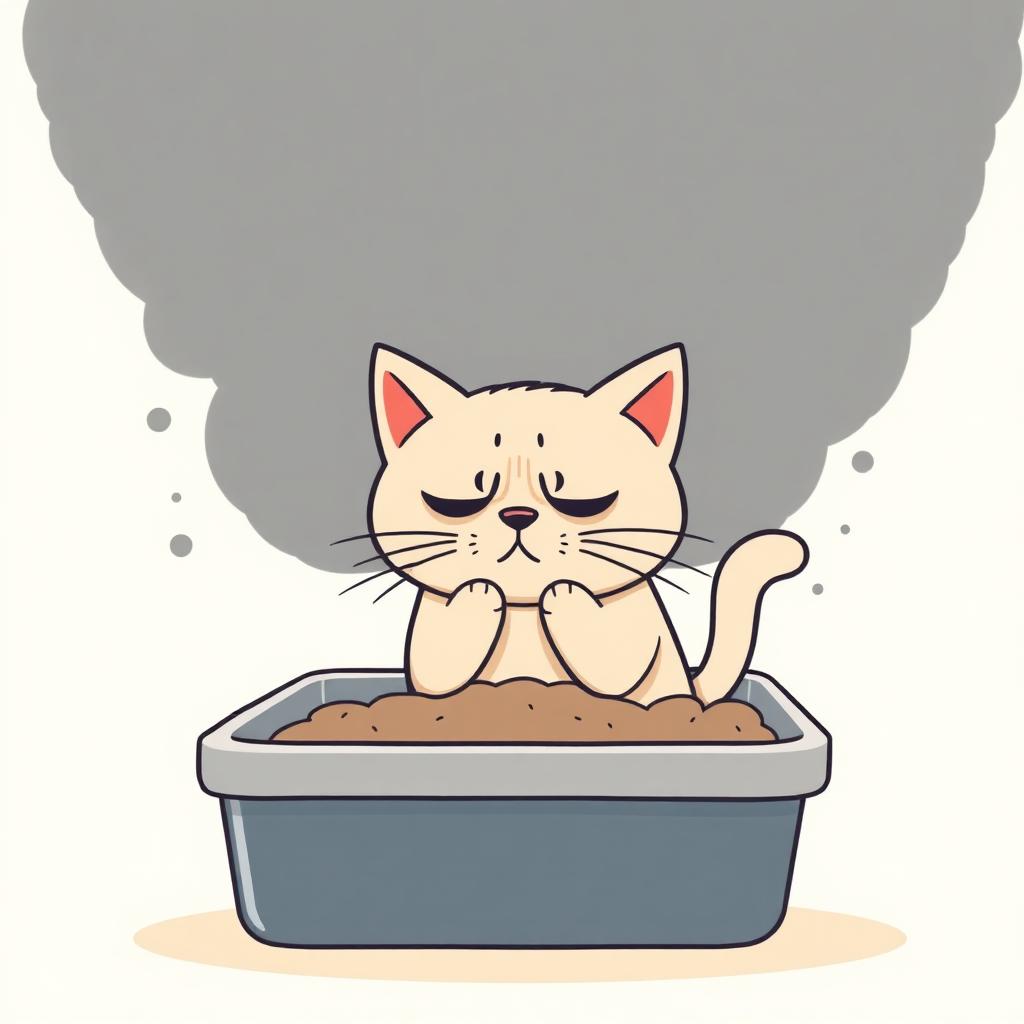
- Your cat sneezes, coughs, or avoids the litter box after a switch to scented litter
- Fragrance covers odor for people but can overwhelm a cat’s much stronger sense of smell
- Perfumes and dust may irritate sensitive noses, paws, skin, or airways
- Litter box stress can turn into accidents, holding urine, or ongoing box aversion
- Switch to an unscented litter and keep the box location, size, and setup the same during the transition
- Choose a low-dust formula with minimal additives so the litter itself is less likely to irritate
- If odor is the concern, improve scooping frequency and box hygiene before reaching for fragrance
- For cats with scent sensitivity, a simple unscented plant-based option like NEKO can be easier to tolerate than heavily perfumed litter
Why scented litter sensitive cats often struggle with the box
The phrase scented litter sensitive cats is not marketing jargon. It describes a real mismatch between what humans want from a litter box and what many cats can tolerate. People smell the room and want less odor. Cats step into the box with a nose that is far more sensitive than ours, close to the litter surface, in an enclosed space, often while digging up fresh fragrance with every paw stroke. What smells “clean” to you can smell aggressive or simply wrong to a cat. The result is often subtle at first: more cautious sniffing, stepping in and out, using the edge of the box, or taking longer to settle. Then the bigger problems start. Some cats choose a bath mat, laundry pile, or corner instead. Others still use the box but sneeze after digging, lick their paws more, or seem reluctant between bowel movements. None of that proves fragrance is the only issue, but it is a common and overlooked trigger. Cats are conservative animals. If the box feels irritating, confusing, or stressful, they do not write a review. They vote with their feet.
A cat’s nose is built for detail, not perfume
Cats rely on smell for navigation, safety, appetite, territory, and social information. Their world is chemical data. That matters in the litter box because fragrance does more than add a pleasant note. It changes the scent profile of a place your cat uses for one of its most vulnerable routines. A heavily perfumed litter can mask the familiar smell of the box itself and layer in volatile compounds that some cats find irritating or alarming. Even when a fragrance is marketed as fresh, floral, or clean, those are human categories, not feline ones. Your cat does not think the box should smell like a linen closet. It expects predictability. The trouble gets worse in covered boxes, small bathrooms, laundry rooms, or corners with poor airflow, where scent concentrates near the cat’s face. Kittens, seniors, and naturally cautious cats can be especially reactive because they have less tolerance for environmental change. A cat that keeps turning around, scratching the walls instead of the litter, or bolting out of the box may be responding to how the box smells, not just what is in it. From the cat’s perspective, a “better-smelling” box can be a worse bathroom.
Fragrance is not the only problem: dust and additives matter too
When owners blame scented litter, they are often reacting to a package of issues rather than perfume alone. Many scented litters also carry more dust, deodorizing agents, or chemical additives intended to suppress odor. Those extras can cling to paws and fur, become airborne during digging, and collect in the box where your cat spends repeated close-contact time. Dust is a practical concern because cats inhale it at ground level, exactly where digging stirs the highest concentration. A low-level irritation every day can add up to a pattern of sneezing, watery eyes, or coughing in a sensitive cat. Skin can also get involved. Some cats react with over-grooming, paw licking, or general discomfort after stepping in litter that leaves residue. This does not mean every scented product is harmful, and it does not mean unscented automatically solves every case. It means ingredient load matters. The simpler the litter, the fewer variables you have to work through. If your cat has a history of respiratory issues, skin sensitivity, asthma-like symptoms, or mysterious box avoidance after a litter change, fragrance should be treated as a reasonable suspect rather than an innocent bystander.
The signs of litter sensitivity are easy to miss
Most cats do not stage a dramatic protest the day scented litter appears. They tend to signal discomfort in ways owners can misread. A cat may still urinate in the box but defecate elsewhere because one event feels more urgent and the other allows more hesitation. Some cats perch on the edge to keep paws off the litter. Others dig less, dig frantically, or scratch nearby walls and floors instead of covering waste. Respiratory signs can be brief and therefore ignored: a sneeze or two after leaving the box, a small cough during digging, or a raspy sound once a day. Sensitive skin may show up as licking between the toes, grooming the belly more often, or shaking out the paws after use. Stress changes can be even subtler. A cat that once used the box confidently may start waiting until the last minute, visiting multiple times before committing, or choosing a different box if one is available. These patterns matter because prolonged avoidance can create a habit. Once a cat associates the box with irritation, the problem becomes behavioral as well as physical. At that point, simply cleaning the room and hoping for the best is optimistic bordering on lazy.
Why odor control should start with hygiene, not fragrance
The main argument for scented litter is obvious: owners want the home to smell less like a litter box. Fair enough. But fragrance is often a shortcut that treats the symptom and can create a new problem for the cat. Better odor control usually starts with maintenance. Scoop solids and clumps promptly. Wash boxes on a regular schedule with mild soap and water, then dry them fully before refilling. Make sure you have enough boxes for the number of cats in the home, and place them in calm, ventilated areas instead of trapping odor in tiny, closed spaces. Deep litter can help clumps form cleanly, while a box that is too shallow gets saturated faster and smells worse no matter what scent is poured on top. Diet, hydration, and stool quality also affect smell more than many owners realize. If litter odor is unusually strong, the answer may be digestive issues, dehydration, or poor box hygiene rather than a stronger perfume. Unscented litter can still control odor well if it clumps effectively and the box is managed properly. That is where a simple, low-dust, plant-based litter can make sense. NEKO, for example, fits best when the goal is odor control without loading the box with added fragrance.
How to switch from scented to unscented without causing a revolt
Cats dislike abrupt litter changes almost as much as they dislike a dirty box. If you suspect fragrance is bothering your cat, switch methodically. Start by mixing a small amount of the new unscented litter into the old one for several days, then increase the proportion gradually over about a week. Some cats do better with an even slower change, especially if they are already hesitant. Keep everything else stable during the transition: same box, same room, same depth of litter, same cleaning routine. Changing litter texture, box type, and location all at once is a good way to learn nothing useful. If you have multiple boxes, offer one with the new unscented litter and leave another mixed, then watch which one your cat chooses. Preference data from your cat is more valuable than package claims. If your cat has already started eliminating outside the box, clean those spots thoroughly with an enzymatic cleaner and temporarily restrict access if needed while rebuilding positive box habits. Reward calm use with quiet praise or a small routine your cat likes, not a loud celebration. No cat has ever wanted a standing ovation for using the toilet.
When the problem is not just sensitivity: asthma, allergies, and medical red flags
Litter sensitivity overlaps with medical issues, and that is where owners can lose time. If your cat coughs, wheezes, breathes with effort, or shows repeated sneezing around the box, do not assume it is merely being picky. Cats with asthma or chronic airway irritation may react strongly to dusty or fragrant litter because digging creates a direct exposure event. Likewise, a cat with urinary pain may avoid the box after a litter switch, making the litter look guilty when the real culprit is a urinary tract problem. Constipation, arthritis, and obesity can also change litter box behavior because they make box entry, posture, or digging uncomfortable. The practical rule is simple: if you see respiratory symptoms, straining, blood, repeated trips to the box, or a sudden change in elimination habits, involve your veterinarian. Switching to unscented low-dust litter is still sensible, but it should not replace a medical workup when warning signs are present. Sensitive cats are sometimes telling you about irritation. Other times they are telling you the box has become associated with pain. Those are very different problems with very different consequences if ignored.
Advanced setup changes that help truly sensitive cats
For some cats, unscented litter is only the first fix. Box design and room conditions can make a noticeable difference. Large open boxes usually allow better airflow than covered boxes, which can trap scent and dust right at nose height. Entry height matters for seniors and arthritic cats, while box size matters for nervous cats that want enough room to turn, dig, and leave quickly. Aim for a quiet location with easy access, not next to a furnace, washer, or barking dog. If one room tends to feel stale, improve ventilation or move the box rather than relying on stronger deodorizer. Track litter depth too. Very deep litter can increase dust plumes during digging, while too little litter exposes a soiled box base faster. If you live with multiple cats, spread boxes across the home so a sensitive cat has options and does not feel trapped by another cat near a single box. Finally, keep your troubleshooting clean: one change at a time, a few days of observation, then adjust again. Sensitive cats often improve when the environment becomes boring in the best possible way. No perfume. No surprises. Just a box that feels safe, neutral, and easy to use.
Common questions
Can scented litter make sensitive cats avoid the litter box?
Yes. Scented litter sensitive cats may avoid the box because the smell is too strong, unfamiliar, or irritating at close range. Avoidance can look like hesitation, edge-perching, using only one box, or going elsewhere entirely. If box habits changed after a litter switch, fragrance is worth removing first.
What are the signs my cat is reacting to scented litter?
Common signs include sneezing after digging, coughing near the box, watery eyes, paw shaking, extra grooming, and reluctance to step fully into the litter. Behavior changes matter too: visiting the box repeatedly, taking longer to use it, or having accidents nearby after a switch.
Is unscented litter always better for cats?
Not always, but it is often the safer starting point for sensitive cats. Unscented removes one common trigger and makes troubleshooting easier. Texture, dust level, box cleanliness, and box location still matter. A cat can dislike an unscented litter if it is dusty, coarse, or very different from what it used before.
How long does it take a cat to adjust after switching from scented litter?
Many cats adjust within several days if the change is gradual, but some need longer. A typical transition is about 5–7 days, sometimes more for cautious cats. If your cat is already avoiding the box, slow down the swap and keep the box setup otherwise unchanged.
Should I use covered litter boxes to contain odor instead of scented litter?
Covered boxes can reduce what people smell in the room, but they can also trap fragrance, dust, and ammonia inside the box where the cat is standing. Sensitive cats often do better with a large open box in a well-ventilated area, paired with frequent scooping and an unscented litter.
One switch. Four problems, gone.
Start a NEKO subscription and get your first 7L bag for 40% off. Free shipping, delivered every 4–6 weeks. Skip, pause, or cancel anytime.