Corn vs Paper Cat Litter: Which One Suits Your Cat and Home Better?
Compare corn and paper litter for softness, moisture control, odor management, and how much effort each takes to maintain.
- Your cat accepts one litter texture but avoids another.
- The box smells damp or stale sooner than you expected.
- You want a gentler, plant-based option without harder cleanup.
- Dust, tracking, or frequent full-box changes are wearing you down.
- Match litter texture to your cat’s preferences first, then compare odor and cleanup.
- Use paper when softness and low dust matter most, especially after surgery or for sensitive paws.
- Choose corn when you need stronger clumping and easier daily scooping.
- If you want plant-based clumping with simpler maintenance, a tofu litter like NEKO can suit homes that find paper too damp and corn too tracky.
What corn vs paper cat litter really changes day to day
The real question behind corn vs paper cat litter is not which material sounds nicer on the bag. It is which one creates fewer problems in your actual bathroom, laundry room, or hallway corner. These two litters behave very differently once a cat starts using them. Corn litter is usually a granular litter made from processed corn material. It tends to clump when wet, which means urine can often be removed in one scoop rather than soaking through the whole tray. Paper litter is usually sold as pellets or soft crumbs made from recycled paper. It is typically gentler underfoot and low in dust, but many versions do not form tight clumps. That changes how often the entire box needs refreshing. For a cat owner, that difference shows up fast. With corn, daily maintenance often means spot-scooping waste and topping up. With paper, the box may look cleaner on the surface while gradually holding more moisture underneath. Some cats strongly prefer one texture over the other. Some owners care more about odor, while others care about tracking or dust. The right choice depends less on broad marketing claims and more on your cat’s paws, your cleaning tolerance, and how much moisture the litter can handle between full changes.
Texture, paw feel, and whether your cat will actually use it
Cats are notoriously opinionated about substrate. That is a polite way of saying they can reject a litter for reasons they will never explain. Texture is often the deciding factor. Corn litter usually feels more like a conventional granular litter, so cats transitioning from clay often accept it more easily. They can dig, cover, and scratch in a way that feels familiar. Paper pellets are a different experience. They are larger, rounder, and less natural for some cats to bury in. A confident adult cat may adapt without trouble. A picky cat may step in, look offended, and leave. Soft paper litters can bridge that gap better than stiff pellets, but they still feel different from clumping grains. On the other hand, paper has a real advantage for cats with tender paws. After surgery, declaw recovery in older cases, paw irritation, or age-related stiffness, many vets recommend a paper-based litter because it is low dust and less likely to stick to wounds. Kittens and senior cats may also appreciate a softer landing. If your cat already uses fine-grain litter happily, corn usually causes less disruption. If your cat is recovering from a medical issue or avoids rough textures, paper may be the safer test. Preference outranks theory. The best litter on paper is useless if the cat votes no.
Moisture control and clumping: where the two materials separate fast
Moisture handling is where these materials stop being cousins and start being opposites. Most corn litters absorb urine and form clumps, which keeps wet waste concentrated in one area. That matters because it limits how much clean litter gets contaminated each time the box is used. A decent clump also makes the tray easier to reset with a quick scoop rather than a full dump. This is one reason multi-cat homes often lean toward clumping litters. Paper works differently. Pellet paper absorbs moisture into the pellet itself and often lets some moisture move downward before the top layer looks saturated. That can leave the tray feeling cleaner than it really is. If you stir paper pellets and notice heaviness, softness, or a damp-paper smell, the box is already overdue for a change. The practical outcome is simple: corn usually reduces labor between full changes, while paper often increases it. The trade-off is that paper tends to be less messy during the scoop itself because it does not break into sticky clumps. For cats that urinate heavily, the gap gets bigger. Corn can usually isolate wet spots better. Paper may need more frequent full refreshes to prevent damp buildup. If your routine depends on quick daily scooping, corn has the structural advantage. If you do not mind more complete tray changes and want low dust, paper can still work well.
Odor management is mostly a moisture problem, not a perfume problem
When people compare litter odor control, they often focus on fragrance. That is the wrong place to start. Odor comes from urine sitting in a warm box and breaking down over time. The litter that keeps moisture isolated and removed usually smells better, even without added scent. Corn litter often performs better here because clumps let you remove urine before it spreads. If the clumps stay intact and you scoop at least once daily, the box usually stays more stable between full changes. Paper can control odor reasonably well at first because fresh pellets absorb quickly, but once the tray starts holding damp material, the smell changes from obvious ammonia to a stale, wet-fiber odor. It is subtle at first, then not subtle at all. This is why paper boxes can surprise owners: they do not always look filthy when they begin to smell. The type of cat matters too. A well-hydrated cat that urinates large volumes will stress any non-clumping litter faster. Diet, litter box size, and room ventilation all influence odor more than marketing copy admits. If odor is your top complaint, corn usually has the edge over paper because it makes urine removal easier. A tofu litter such as NEKO can appeal for the same reason in homes that want plant-based litter with reliable clumping. But if your cat needs ultra-low dust above all else, paper may still win despite the extra maintenance.
Dust, tracking, and how much mess escapes the box
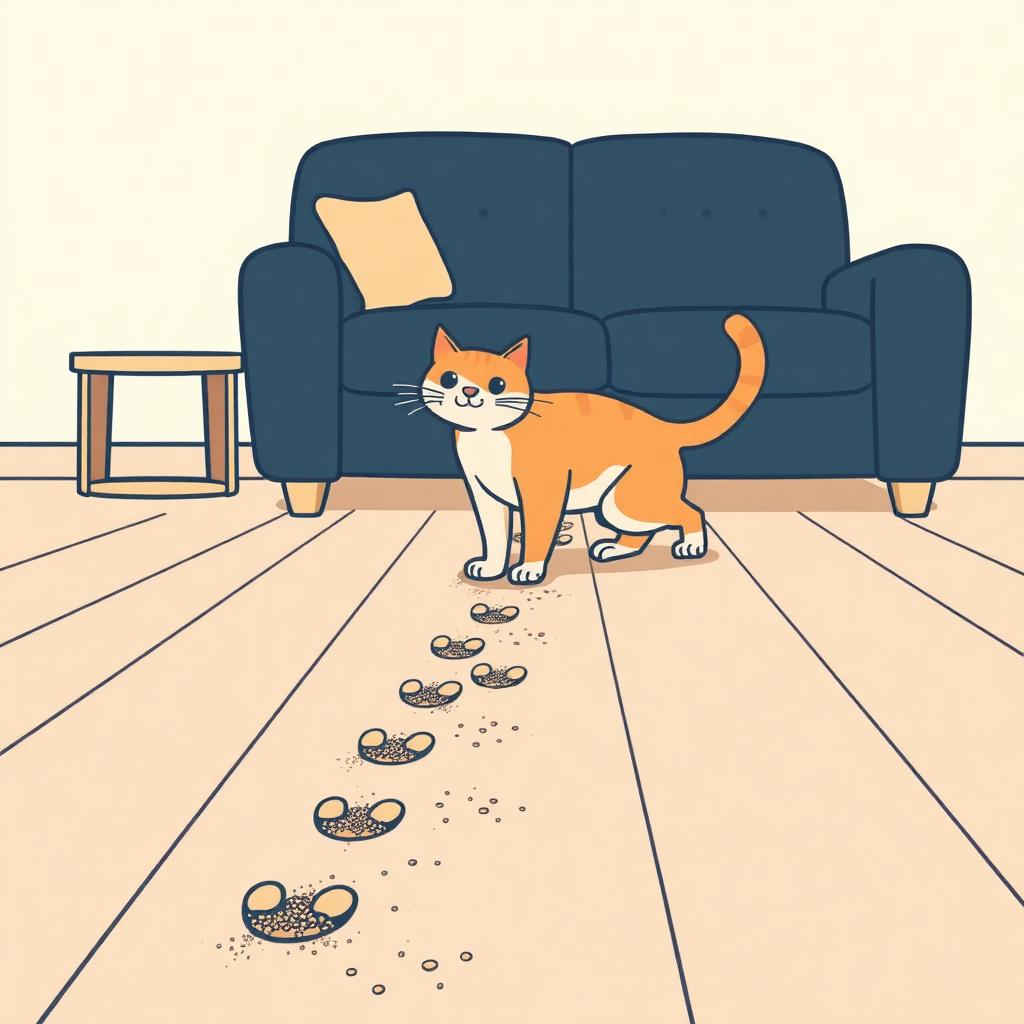
A litter can perform beautifully inside the tray and still be annoying everywhere else. Dust and tracking are where owner tolerance gets tested. Paper litter is usually the cleaner option for air quality. Many paper pellets release very little dust, which is useful for cats with respiratory sensitivity and for humans cleaning in small bathrooms. Corn litter is often lower dust than clay, but it can still produce fine particles depending on grind size and how dry the bag is. Tracking is more mixed. Granular corn litter tends to stick between toes more easily than paper pellets, so you may find bits outside the box, especially if your cat launches out like it has somewhere urgent to be. Paper pellets are larger and often easier to sweep, but some cats kick them out while digging. Crumbled paper can also migrate more than pellet forms. Box setup matters here. A large mat, high-sided box, and enough litter depth can reduce escapees significantly. So can placing the box where the cat has a few steps to shed litter before hitting carpet. If your biggest frustration is breathing in dust during cleaning, paper usually has the practical advantage. If your bigger frustration is scraping a damp tray and doing full swaps too often, the lower-dust benefit may not feel worth it. Many owners discover that mess tolerance is personal. Some would rather sweep tracked grains. Others would rather avoid airborne particles altogether.
Maintenance workload: scoopable convenience versus full-box resets
The easiest way to choose between these litters is to be honest about your cleaning habits. Not your aspirational habits. Your real ones. Corn litter generally rewards daily scooping. Remove the urine clumps and stool, top up as needed, and the box can stay usable with less frequent complete replacement. That routine is efficient for busy households because the labor is spread out in short sessions. Paper litter often asks for a different rhythm. Stool can be removed easily enough, but urine management is less precise if the litter does not clump. You may need to stir pellets, monitor saturation, and replace more of the tray at once. For some people that is fine. They prefer a clean reset every few days to frequent clump checks. For others it becomes the classic household task that gets postponed until the room starts making its opinion known. Multi-cat homes amplify this difference quickly. More cats means more moisture, more compressed pellets, and faster odor accumulation in non-clumping systems. One cat in a large box can do well on paper. Three cats sharing boxes usually expose paper’s limits unless the boxes are changed very consistently. If you know you are good at daily spot cleaning, corn is often easier to live with. If your cat needs low-dust recovery litter or uses the box temporarily after a procedure, paper can be the right short-term tool even if it is not your forever setup.
When paper makes more sense than corn, even if corn seems easier
It is tempting to crown corn the winner because clumping is convenient. That would miss the point. There are clear situations where paper is the better choice. The biggest one is medical use. Cats recovering from surgery, dealing with paw wounds, or needing a low-dust environment often do better on paper, at least temporarily. Pellets are less likely to lodge in healing tissue, and they generally create fewer airborne particles during digging. Paper can also suit cats that dislike fine particles on their paws or households where fragrance and dusty cleanup trigger human sensitivity. Some owners simply prefer the visual simplicity of pellets and do not mind changing the box more often. There are also cats that urinate in one predictable area and make paper easier to manage than expected. Corn, meanwhile, can be less ideal if your cat tends to track litter widely, if humidity affects clump quality, or if your cat is suspicious of any change in scent or texture. A litter that clumps beautifully but gets spread through the house may not feel like progress. The honest answer is that paper is often the specialist option: best for low dust, tenderness, and short-term medical practicality. Corn is usually the general-use option: better for everyday scooping, moisture isolation, and odor control. That distinction helps cut through a lot of vague packaging language.
How to test either litter without triggering litter box drama
Cats do not appreciate abrupt product redesigns. If you want a fair result, test methodically. Start with one box containing the new litter and keep another box with the current litter if you have space. This side-by-side approach gives your cat a choice and gives you useful data. Watch not just which box gets used, but how. Is your cat digging normally, perching awkwardly, leaving waste uncovered, or stepping in and out with obvious hesitation. Those behaviors matter. If you only have one box, transition gradually over several days by mixing increasing amounts of the new litter into the old. For a cat that is especially sensitive, slower is better. Keep depth consistent because cats notice that too. Scoop on a strict schedule during the test so you are comparing the litter, not your maintenance differences. If you are testing paper for a medical reason, follow your vet’s timeline before switching back. If you are testing corn for convenience, check whether clumps stay intact in your home’s humidity and whether tracking is tolerable on your floor type. Owners looking for a middle path sometimes move from paper or corn to a clumping tofu litter because it offers plant-based material with softer granules and easier scooping. NEKO fits that lane honestly. But the right test still begins with the cat, not the product claims.
Common questions
Is corn vs paper cat litter better for odor control?
Usually corn. The main reason is clumping. When urine forms a removable clump, you can get more of the odor source out of the box quickly. Paper can smell fine at first, but once moisture builds up in the tray, odor tends to linger until you replace more of the litter.
Do cats prefer corn litter or paper litter?
Many cats accept corn more easily because the texture is closer to familiar granular litter. Paper pellets can feel strange to cats that like digging and burying. That said, cats with sore paws, recent surgery, or mobility issues may tolerate paper better because it is often softer and lower dust.
Is paper litter safer after cat surgery?
Often yes, and many vets recommend it for temporary use after certain procedures. Paper litter is usually low dust and less likely to stick to healing areas than fine clumping litter. Follow your vet’s instructions, because the right recovery litter depends on the procedure and how long the restricted setup should last.
Does corn litter track more than paper litter?
It often does. Corn litter is usually made of smaller granules, so it can cling to paws and travel outside the box more easily. Paper pellets are larger and may track less, though some cats kick them out while digging. A litter mat and high-sided box help either way.
Which is easier to clean in a multi-cat home?
Corn is usually easier because clumps can be removed throughout the day, keeping moisture from spreading through the whole tray. Paper can work in a multi-cat setup, but it typically needs more frequent full changes. If several cats share boxes, non-clumping litter tends to reach its limits faster.
One switch. Four problems, gone.
Start a NEKO subscription and get your first 7L bag for 40% off. Free shipping, delivered every 4–6 weeks. Skip, pause, or cancel anytime.