What to Know About Pregnancy-Safe Cat Litter and Litter Box Hygiene
Get clear information on litter handling during pregnancy, toxoplasmosis basics, and practical ways to lower risk at home.
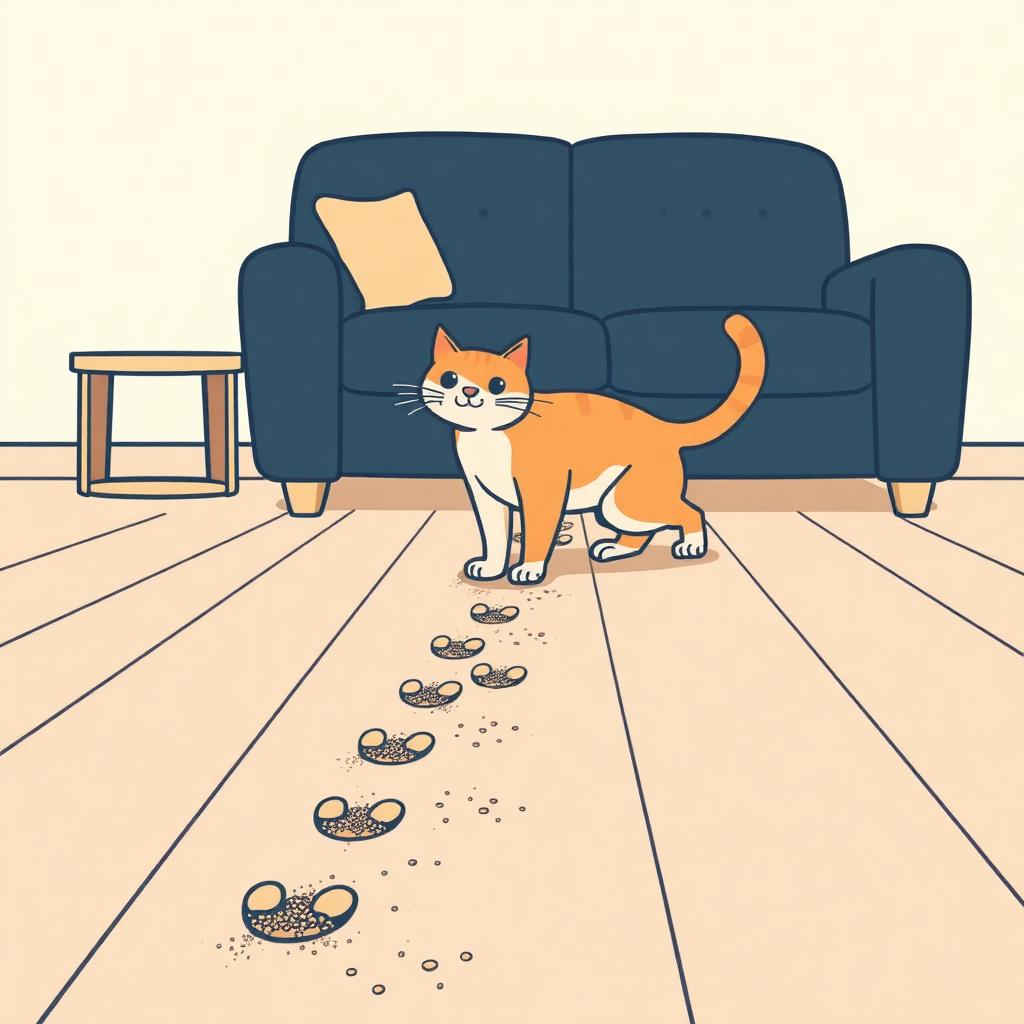
- Pregnancy makes routine litter box chores feel higher stakes and harder to judge.
- Many people know toxoplasmosis matters but are unclear on how exposure actually happens.
- Dusty litter, poor box hygiene, and cramped cleaning spaces can increase avoidable contact.
- Conflicting advice online leaves cat owners unsure whether they need new litter or new habits.
- Focus first on handling: avoid scooping when possible, wash hands well, and clean boxes on schedule.
- Choose a low-dust pregnancy safe cat litter that is easy to scoop and keeps waste contained.
- Keep litter boxes dry, well maintained, and placed away from food prep areas and heavy traffic.
- If no one else can scoop, use gloves, a mask if dust bothers you, and clean the box daily; a tofu litter like NEKO can help reduce dust and mess.
Why pregnancy changes the litter box conversation
The phrase pregnancy safe cat litter usually points to a bigger concern: reducing exposure to toxoplasmosis while keeping a cat’s routine stable. The litter itself is only part of the picture. The main issue is contact with cat feces, contaminated dust, and poor hand hygiene after cleaning the box. During pregnancy, that risk gets more attention because a new toxoplasmosis infection can be serious for a developing baby. That does not mean every pregnant person with a cat is in danger, and it does not mean the cat has to go. It means litter box habits need to be tighter and more deliberate. Most risk reduction comes from who cleans the box, how often it is scooped, how much dust is generated, and whether surfaces and hands are cleaned properly afterward. Litter choice still matters because some litters produce more airborne dust, track heavily through the home, or make daily scooping unpleasant enough that people delay it. A lower-dust litter that clumps reliably and removes waste quickly can make safer habits easier to stick with. Good litter supports good hygiene. It does not replace it.
Toxoplasmosis basics: what the actual risk is
Toxoplasmosis is caused by a parasite called Toxoplasma gondii. Cats can shed this parasite in their feces after becoming infected, usually by hunting or eating raw meat. That is the biological reason litter boxes come up in pregnancy advice. The part many people miss is timing. Freshly passed stool is not usually the main problem the moment it appears in the box. The parasite needs time outside the cat’s body before it becomes infectious. That is one reason daily scooping matters so much. It shortens the window in which waste can sit, age, and become a more meaningful exposure source. Another important point: indoor cats that do not hunt and do not eat raw meat typically have lower risk than outdoor hunters. Risk also depends on whether the cat is actively shedding, which is not constant. For many households, the bigger practical takeaway is not panic but process. Avoid direct contact with feces. Keep cleaning frequent. Wash hands thoroughly. Do not touch your face while cleaning. Handle the litter area as a hygiene task, not a casual chore done while making coffee or unpacking groceries. Good routine lowers risk far more than fear does.
What makes a litter more suitable during pregnancy
If you are choosing pregnancy safe cat litter, prioritize low dust, dependable clumping, and easy waste removal. Dust matters because fine particles can coat nearby surfaces and make cleanup more irritating. Clumping matters because it lets you remove urine and feces completely instead of stirring through saturated litter and breaking apart dirty areas. Strong artificial fragrance is not a safety feature. In some homes it only masks odor while adding another airborne irritant. Simpler is usually better. A litter that forms firm clumps, stays relatively dry, and does not create a cloud during pouring and scooping is easier to manage consistently. This is where many plant-based tofu litters do well: they are often lower in dust than more brittle granules and can make daily maintenance less messy. That said, no litter can make unsafe handling safe. A premium low-dust option like NEKO may honestly help if your current litter is dusty, tracks badly, or turns cleaning into a chore you avoid, but the real protection still comes from reducing contact and cleaning correctly. Think of litter selection as a risk-lowering support tool, not the main intervention.
The safest routine if someone else can clean the box
The simplest recommendation during pregnancy is to have another adult handle litter box duty for the full pregnancy if possible. If your partner, roommate, or family member can take over, make the handoff complete rather than occasional. That means daily scooping, topping up litter as needed, and washing the box on a set schedule. Daily scooping is important because it removes stool before it sits in the box longer than necessary. The person cleaning should use a scoop dedicated to the litter area, tie waste bags securely, and wash hands with soap and water afterward even if gloves were worn. The box itself should stay away from kitchen counters, dining areas, and spaces where food is stored or prepared. If the household has multiple cats, keeping enough boxes and avoiding overfilled trays helps maintain cleaner conditions and reduces the chance of waste buildup. Pregnant people should also avoid “just helping for a second,” because quick exceptions tend to happen when the box is at its dirtiest. The best system is boring and consistent: one designated cleaner, one daily schedule, one set of supplies stored nearby, and one clear rule that the pregnant person does not handle the litter.
What to do if you have to clean the litter box yourself
Real life does not always provide backup. If you must clean the litter box while pregnant, lower exposure step by step. Wear disposable or washable gloves every time. Scoop daily so waste does not sit. If litter dust bothers you or your current litter is noticeably dusty, use a well-fitting mask and pour new litter slowly to avoid a plume. Keep a dedicated trash bag or lidded bin near the box so waste is sealed immediately. Do not eat, drink, or touch your phone while cleaning. When you finish, remove gloves carefully, wash your hands thoroughly with soap and water, and clean any nearby surface that may have collected dust or tracked granules. It also helps to use a litter that forms tight clumps and does not break apart during scooping. Less crumbling means less contaminated debris left behind. Keep the box only as full as needed for effective scooping; overfilling often leads to more mess, not less. Ventilation matters too. Open a window if practical or run an exhaust fan if the box is in a bathroom or laundry room. None of these steps makes direct handling ideal, but together they reduce the amount of contact, dust, and contaminated material you deal with each time.
How litter box placement and home hygiene affect risk
People tend to focus on the box and forget the space around it. Placement changes how much litter dust and tracked debris move through the home. The best location is low traffic, easy to clean, and separate from food prep or eating areas. A cramped spot tucked beside pantry items is convenient for nobody. You want enough room to scoop without brushing against shelves, baskets, or clean laundry. Put a litter mat outside the box to catch granules before they spread. Sweep or vacuum around the area regularly, and wash the mat on a schedule rather than waiting until it looks bad. If your cat kicks litter aggressively, a box with higher sides can help contain scatter, though it still needs to be easy for the cat to enter comfortably. Keep litter tools together so the job gets done properly every time: scoop, gloves, waste bags, and cleaning wipes or a washable cloth. Avoid storing these items near dishes, utensils, or baby items. Also consider who else touches the area. Young children should not play near litter boxes, and dogs should be kept away from cat waste for obvious and regrettably common reasons. Clean zones and dirty zones in the home should be obvious. That simple separation prevents a surprising amount of accidental contamination.
Cats, diet, and lifestyle factors that change the picture
Not all cat households carry the same level of concern. A strictly indoor cat that eats commercial cooked food and never hunts is generally a different situation from a cat that roams outside, catches prey, or is fed raw meat. Hunting and raw diets can increase a cat’s chance of exposure to the parasite, which is why many vets advise avoiding raw feeding during pregnancy in the household and keeping cats indoors if that is already realistic for the cat. This is not the time to make chaotic changes that stress the cat for no reason, but it is a good time to tighten food and access choices. Newly adopted strays, foster cats, or kittens with unknown histories deserve extra caution because you know less about what they have been exposed to. Multi-cat homes also need stricter maintenance simply because boxes get dirty faster. More waste means more opportunities for delayed scooping and more contaminated litter in circulation. If your cat has diarrhea or routinely soils the outside of the box, the issue shifts from ordinary maintenance to a hygiene and health problem that needs prompt cleanup and possibly a vet visit. Pregnancy is a useful deadline for fixing litter box systems that were already too loose.
When to ask your doctor or vet for personalized advice
General guidance covers most homes, but some situations call for direct medical advice. Ask your obstetric provider if you have concerns about past exposure, a weakened immune system, or symptoms that worry you. They can tell you whether any testing or precautions make sense for your situation. Ask your veterinarian if your cat is an outdoor hunter, eats raw food, has ongoing digestive issues, or has recently been adopted from an unknown environment. A vet can help you reduce practical household risk by reviewing diet, indoor habits, and litter box management. What you usually do not need is a dramatic reaction based on guilt or internet folklore. Rehoming a healthy cat is rarely the answer to a litter hygiene question. The better response is targeted risk reduction: get help with scooping if possible, improve litter choice and box maintenance, and keep your home setup cleaner and more predictable. If your current litter creates obvious dust or makes prompt scooping unpleasant, switching to a cleaner-handling low-dust litter can be a reasonable upgrade. The goal is not to create a sterile world. It is to make the risky part of cat care controlled, brief, and easy to do correctly every day.
Common questions
What is the best pregnancy safe cat litter?
The best pregnancy safe cat litter is usually one that is low dust, clumps well, and makes daily waste removal easy. The biggest risk reduction still comes from avoiding litter box duty if possible and practicing good hand hygiene. A cleaner-handling litter can help support that routine, but it does not replace safe cleaning habits.
Can I clean the litter box while pregnant if I wear gloves?
If no one else can do it, gloves are a good start, not the whole plan. Scoop daily, avoid touching your face, consider a mask if the litter is dusty, seal waste right away, and wash hands thoroughly after removing gloves. Frequent cleaning matters because it reduces how long stool stays in the box.
Is toxoplasmosis only a risk from cat litter?
No. Cat feces are one possible source, but toxoplasmosis can also be linked to undercooked meat, contaminated soil, and unwashed produce. That is why pregnancy advice usually covers food handling and gardening along with litter box hygiene. Cat owners should focus on the full picture, not just the box.
Does an indoor cat make pregnancy safer?
Generally, yes. A strictly indoor cat that does not hunt and does not eat raw meat is typically considered lower risk than a cat that goes outside or catches prey. Lower risk does not mean zero risk, so daily scooping and careful hygiene still matter.
Should I switch litters during pregnancy?
Switching can make sense if your current litter is very dusty, hard to scoop, or spreads through the house. Choose a low-dust litter with reliable clumping and minimal fragrance. Make any switch gradually so your cat keeps using the box consistently, because box avoidance creates a different mess fast.
One switch. Four problems, gone.
Start a NEKO subscription and get your first 7L bag for 40% off. Free shipping, delivered every 4–6 weeks. Skip, pause, or cancel anytime.