When Do Kittens Stop Needing Help to Pee and Poop?
Track the developmental shift from caregiver stimulation to independent elimination and how that connects to litter training readiness.
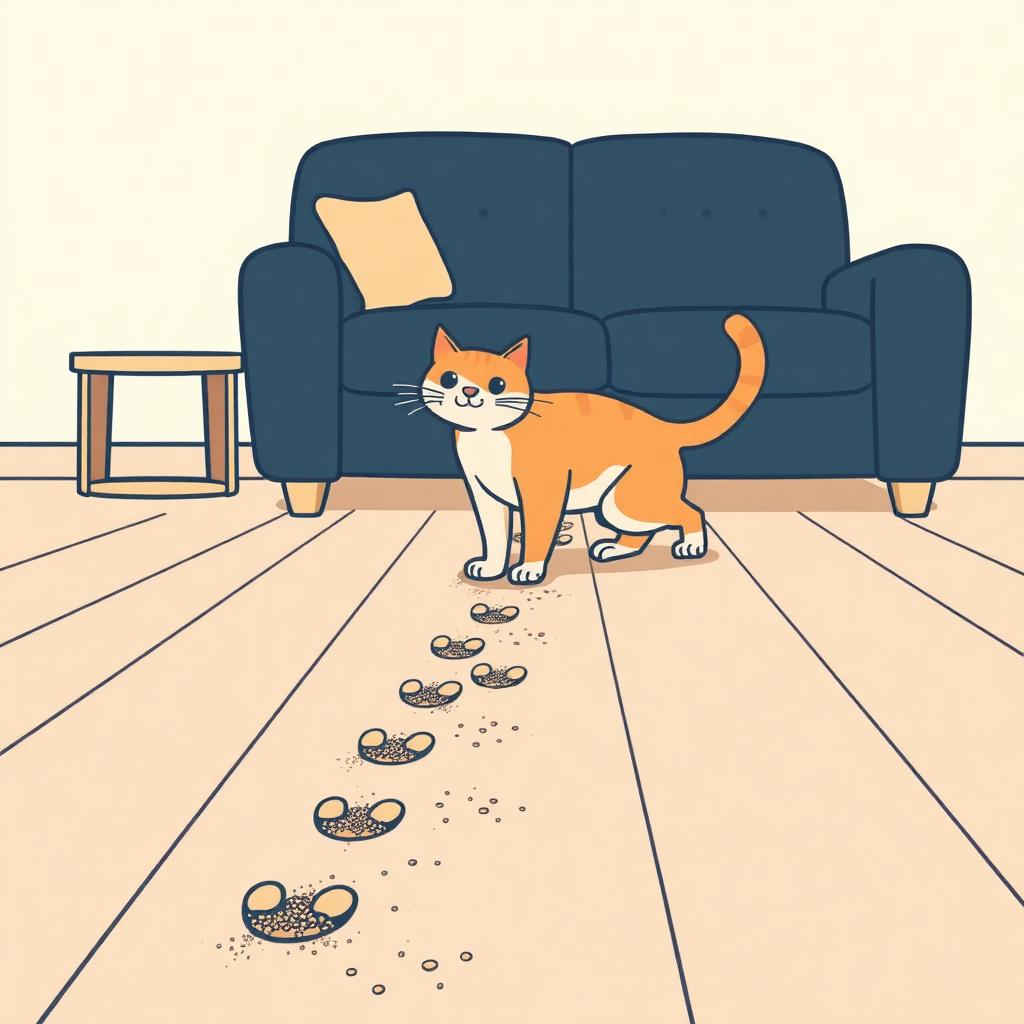
- Very young kittens cannot reliably pee or poop on their own after every feeding.
- Caregivers often worry whether a kitten is constipated, blocked, or simply not ready yet.
- Starting litter training too early can create mess, stress, and poor litter box habits.
- Bottle babies and orphaned kittens may develop a bit differently from kittens raised by a mother cat.
- Use gentle stimulation after feedings during the first weeks, then taper off as the kitten starts eliminating independently.
- Track age, weight gain, stool quality, and urination frequency so you can spot a problem early.
- Offer a shallow, easy-entry litter tray as mobility improves and the kitten begins to sniff, squat, and dig.
- Choose a low-dust, unscented litter option when training starts; a tofu litter like NEKO can be a practical fit once the kitten is old enough not to eat litter.
The age when independence usually starts
The short answer to when kittens stop needing stimulation is usually around 3 to 4 weeks of age, with some variation. Before that, newborn kittens depend on their mother to lick the genital and anal area after feeding. That licking triggers urination and defecation. If the mother is absent, a caregiver has to replace that step with warm, gentle stimulation. Around the third week, the nervous system and muscle control begin to mature enough for many kittens to pee and poop without help. By about 4 weeks, most healthy kittens can eliminate on their own and are ready to be introduced to a litter tray. “Most” matters here. A tiny orphan, a kitten recovering from illness, or a kitten born weak may lag behind the average by several days. What matters more than the calendar is behavior. A kitten that walks steadily, leaves the nest area to squat, passes stool without assistance, and starts scratching at surfaces is telling you independence is arriving. A kitten that still only urinates after you stimulate, cries with a full belly, or goes longer than expected without output may still need help or may need a vet check.
Why newborn kittens need stimulation in the first place
Young kittens are not being difficult. They are neurologically unfinished. In the first weeks of life, the reflexes that coordinate bladder and bowel emptying are immature. The mother cat handles this by licking, which provides both physical stimulation and routine. The kitten eats, gets cleaned, then eliminates. A human caregiver copies that pattern using a warm, damp cotton pad, tissue, or soft cloth. Gentle strokes over the genital area often trigger urination first. Circular or light wiping motions around the anus may help with stool. This is not a forceful process. If you feel like you are “trying to make it happen,” that is usually a sign to pause, keep the kitten warm, and try again after the next feeding rather than rubbing harder. Temperature matters too. Chilled kittens often cannot digest or eliminate properly, which is why warming the kitten safely always comes before feeding or stimulating. Once kittens start producing their own elimination reflex more reliably, you will notice they may pee before you even finish the routine, or they may pass stool in bedding or while moving around. Messy, yes. Also developmentally encouraging.
What the timeline looks like from birth to 5 weeks
A practical age map helps. From birth to about 2 weeks, kittens almost always need stimulation after each feeding. Their movement is limited, and elimination is largely reflex-driven. Around 2 to 3 weeks, many begin showing stronger limb movement, more awareness, and occasional attempts to eliminate with less help, but most still need a caregiver to prompt the process. Around 3 to 4 weeks is the transition window. This is when some kittens start peeing independently, then pooping independently shortly after. You may still need to assist once or twice a day if output is inconsistent. By 4 weeks, many kittens can get to a tray, squat, and leave a small but proper deposit. By 5 weeks, healthy kittens should generally be handling elimination on their own and practicing litter habits regularly. The schedule is less neat with orphaned kittens because bottle feeding, stress, dehydration, and lack of maternal care can slow things down. Diet changes can also affect stool timing. Kittens starting gruel or wet food often change from tiny, milk-based stools to larger, more noticeable bowel movements. If independence is not gradually increasing by the end of the fourth week, do not assume the kitten is simply late. That is the point where technique, hydration, formula tolerance, and medical issues deserve a closer look.
How to tell a kitten is ready to stop needing your help
Read the kitten, not just the age. A kitten is likely ready to phase out stimulation when you see a few clear signs together. First, the kitten can walk with reasonable balance rather than crawl or wobble like a wind-up toy on low batteries. Second, the kitten squats to urinate or defecate without your prompting. Third, you find output in the nesting area or, better, in the litter tray after the kitten explored it alone. Fourth, the abdomen feels soft after elimination, and the kitten settles instead of straining or crying. During this transition, many caregivers make one of two mistakes: stopping too early or continuing too long. Stop too early and the kitten may become backed up, uncomfortable, and underfed because a full belly plus poor elimination is a bad combination. Continue too long and you may miss the chance to build independent litter habits. A simple approach works best. After a feeding, place the kitten in a shallow tray for a minute or two. If nothing happens, try a brief stimulation routine. If the kitten then eliminates in the tray, that still counts as progress. Over several days, the tray should do more of the work and your cloth should become increasingly unemployed.
How to introduce a litter box at the right moment
Litter training works best when it lines up with development, not when the calendar says it should. Start when the kitten is mobile, curious, and beginning to eliminate without full assistance, usually around 3.5 to 4 weeks. Use a very shallow tray with an easy step-in height. High-sided boxes are great later. Right now they are basically a tiny climbing gym with poor timing. Place the tray close to the sleeping area but not inside the nest. Put the kitten in it after meals, after waking, and when you notice sniffing, circling, or squatting. Keep the setup simple. One tray, one quiet location, no strong fragrances, and no deep litter. A thin layer is enough for early digging behavior. Unscented, low-dust litter is usually the safest choice because kittens are close to the surface and still learning what is and is not edible. If you are choosing a plant-based litter, wait until the kitten is reliably past the stage of mouthing everything. A tofu litter like NEKO can make sense once the kitten is truly using the tray rather than sampling it like a side dish. Clean promptly, because young kittens tend to prefer obvious cleanliness and have little loyalty to a dirty box.
What normal pee and poop should look like during the transition
Normal varies with age and diet, but there are a few useful patterns. Urine should be pale to medium yellow and passed without obvious straining. Very dark urine can point to dehydration. Constant dribbling is not normal either. Stool in milk-fed kittens is typically soft, formed enough to wipe away, and yellow-brown to brown. As solids are introduced, stool often becomes darker, larger, and smellier. That is not a moral failure. It is digestion. A kitten in the transition phase may urinate more consistently than they defecate, so a slight gap between self-peeing and self-pooping is not unusual. What matters is overall comfort and regularity. Watch for repeated crying while trying to pass stool, a swollen or hard belly, watery diarrhea, blood, or no output over a concerning stretch of time. Those are not “wait and see for days” problems in a baby animal. Technique matters too. Overstimulation can irritate the area and make a kitten resist handling, while underfeeding can reduce stool production and confuse the picture. Keep a simple log of feeding times, urine, stool, and weight. It sounds fussy until you need to explain to a vet whether the kitten passed a normal stool this morning or maybe sometime yesterday afternoon. Details help.
When delayed elimination may signal a problem
A kitten who has not fully stopped needing help by 4 weeks is not automatically sick, but caution is wise. Several common issues can delay independent elimination. Dehydration is high on the list, especially in bottle babies fed too little, too infrequently, or with formula mixed incorrectly. Chilling also slows digestion and reflexes. Constipation can happen if formula does not agree with the kitten, if the kitten is underhydrated, or if stimulation has been inconsistent. Diarrhea can create the opposite problem: frequent messy output that irritates the skin and masks whether the kitten can eliminate normally. Congenital issues, infections, parasites, and urinary problems are less common but more serious. Red flags include a firm, distended abdomen; repeated straining with little result; lethargy; poor suckling; vomiting; blood in stool or urine; or crying that does not settle after feeding and warmth. Male kittens of any age can also develop urinary obstruction later in life, though this is uncommon in very young babies. If a kitten is not peeing, that is especially urgent. The rule here is simple: if the kitten seems unwell, stop guessing. Young kittens can decline quickly, and a same-day veterinary call is far more useful than five more internet tabs and a heroic amount of hope.
Advanced care tips for bottle babies, runts, and messy learners
Some kittens need a more tailored plan. Bottle babies often do best with a consistent rhythm: feed, burp if needed, stimulate briefly, then return to a warm resting area. Runts may be developmentally behind littermates even if they are the same age, so compare progress to the kitten in front of you, not the biggest sibling. If a kitten pees independently but struggles with stool, review hydration, formula mixing, and whether the kitten has started solids too quickly. A tiny amount of extra moisture in food may help, but dramatic home remedies are not a good hobby in neonatal care. For kittens who walk into the tray and then immediately step in their own mess, use a smaller tray area, less litter depth, and more frequent placement after meals. If one box becomes a nap spot, add another identical tray nearby. Surface preference matters early. Some kittens first “get” the idea on a disposable pad, then transfer to litter once the squat-and-go sequence is established. Keep the environment calm, warm, and easy to navigate. Good litter habits are built through repetition, not lectures. By the time the kitten is fully weaned and moving confidently, elimination should be self-directed and your role should shift from stimulator to housekeeper, which is still glamorous work in cat care terms.
Common questions
When do kittens stop needing stimulation to pee and poop?
Most kittens stop needing stimulation around 3 to 4 weeks of age. By about 4 weeks, many can urinate and defecate on their own and are ready for a shallow litter tray. Some orphans, runts, or kittens recovering from illness may take a bit longer. Watch for squatting, leaving the nest to eliminate, and successful litter tray use.
How do I know if my kitten still needs help peeing?
If the kitten only urinates after you use a warm damp cloth, still cries after feedings, or has a tense belly until stimulated, they likely still need help. A kitten that pees on their own before or without stimulation, squats independently, and seems comfortable afterward is usually transitioning out of that stage.
Can a 4-week-old kitten still need stimulation?
Yes, sometimes. A 4-week-old kitten may still need occasional help, especially if they are small, orphaned, dehydrated, chilled, or late to weaning. But by this age there should be clear progress toward independence. If there is little or no self-elimination by the end of the fourth week, a vet check is sensible.
What happens if I stop stimulating too early?
The kitten may not fully empty their bladder or bowels, which can lead to discomfort, poor feeding, constipation, and a swollen abdomen. During the transition, place the kitten in a litter tray first, then stimulate briefly if nothing happens. Taper support rather than stopping abruptly.
When should I start litter training a kitten?
Usually around 3.5 to 4 weeks, once the kitten is walking, exploring, and starting to eliminate with less help. Use a shallow tray, a thin layer of unscented litter, and place the kitten in the box after meals and naps. Keep expectations modest at first. Coordination arrives before consistency.
One switch. Four problems, gone.
Start a NEKO subscription and get your first 7L bag for 40% off. Free shipping, delivered every 4–6 weeks. Skip, pause, or cancel anytime.