Pine vs Silica Cat Litter: Which One Keeps the Litter Box Fresher?
Get a practical breakdown of pine and crystal litter on odor, moisture handling, cleanup, and how cats adjust to each.
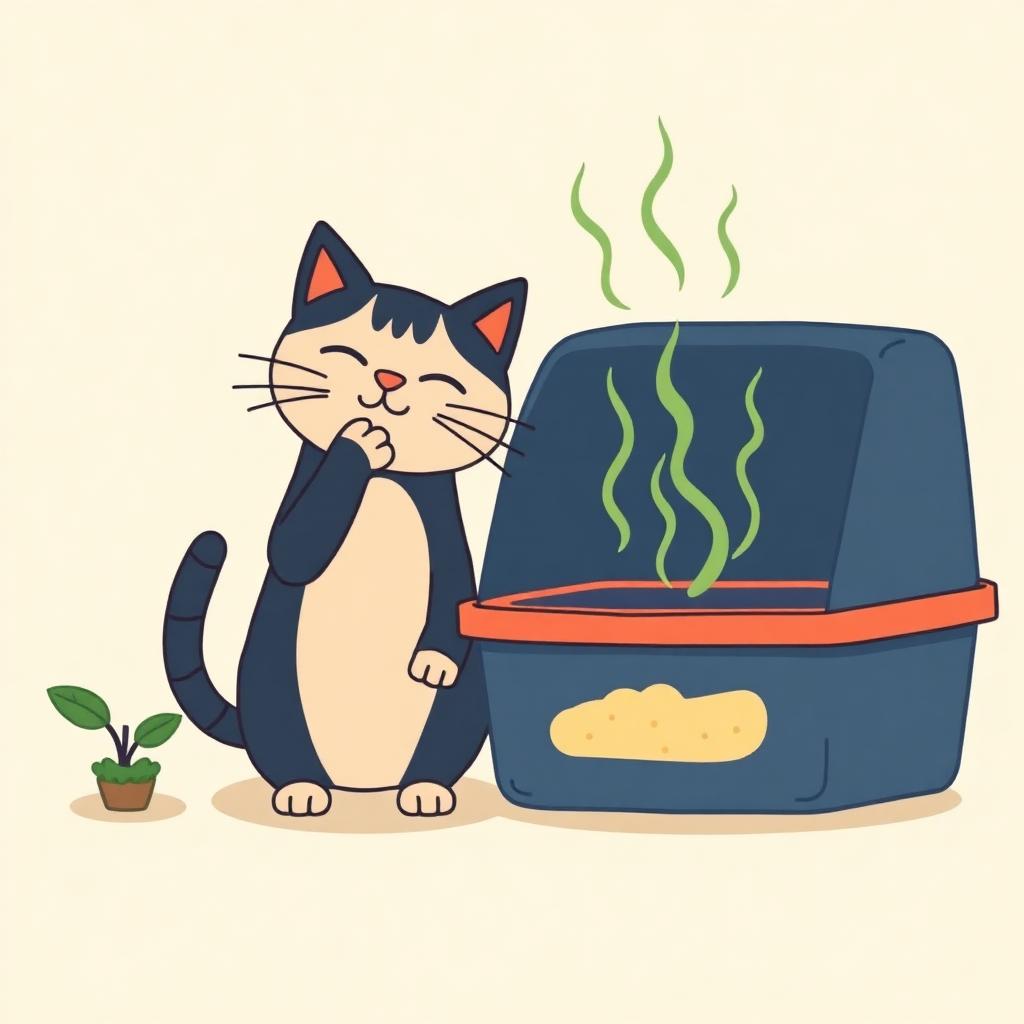
- The litter box smells fine at first, then turns sour fast once urine builds up.
- One litter tracks or sticks everywhere, while the other feels strange under a cat’s paws.
- Daily cleanup gets messy when wet spots break apart or hide at the bottom of the box.
- A litter that controls odor for one cat may struggle in a small space or multi-cat home.
- Match the litter material to the real problem: odor strength, urine volume, tracking, or cat texture preference.
- Use a full litter depth and scoop on schedule, because even high-performing litter fails when the box is underfilled.
- If your cat dislikes hard crystals or fragrant wood, a softer plant-based option like NEKO can be an easier middle ground.
- Transition gradually over several days so the cat adjusts to the new texture before you judge the litter.
What matters most in pine vs silica litter
The real question in pine vs silica litter is not which one is universally better. It is which one stays fresher in your house, with your cat, in your box setup. Freshness comes from four things working together: how fast the litter absorbs urine, how well it traps odor before ammonia builds, how easy it is to remove waste completely, and whether the cat will actually use it consistently. Pine and silica solve those problems in very different ways. Pine relies on natural wood fibers to absorb moisture and hold smell in a dry, fibrous structure. Silica uses porous crystals that pull in moisture and slowly release it through evaporation, which can keep the surface drier for longer. That sounds simple, but daily use changes the picture. A cat with high urine output can saturate pine quickly. A cat that dislikes rough or crunchy texture may avoid silica. A covered box in a humid laundry room behaves differently from an open box in a dry apartment. If you want the fresher box, ignore marketing language and look at mechanics: what touches the urine first, what happens an hour later, what happens three days later, and how much of that mess you can actually remove.
How pine controls odor and moisture
Pine litter usually comes as pellets or granules made from compressed wood fiber. When urine hits the litter, those fibers absorb liquid and the pellets often swell and break down into sawdust. That breakdown is both the strength and weakness of pine. The strength is that fresh wood can do a decent job suppressing odor early, especially in a single-cat home where wet spots are removed often. Many people also find the natural pine smell cleaner than perfume-heavy litters. The weakness is that once enough pellets have turned to damp dust, the box can shift from woodsy to dirty very quickly. Urine may collect in the bottom layer, where odor keeps building unless you sift or change the litter thoroughly. Pine generally handles solid waste well because stool can be removed cleanly from a dry surface, but it is less forgiving with missed scoops and high-volume urination. It also depends heavily on the style of box. A sifting pan can make pine much more manageable because the broken-down material drops away from intact pellets. In a standard tray, moisture can spread and linger. So pine can smell fresh when maintained properly, but it tends to reward owners who are consistent and notice the wet material before it becomes a damp base layer.
How silica crystals stay dry longer
Silica litter works differently. The crystals are highly porous, so they absorb moisture into tiny internal spaces rather than immediately turning soft or muddy on the surface. That is why silica often looks cleaner for longer stretches. Urine disappears into the crystals, the top layer stays relatively dry, and odor can remain controlled until the crystals approach saturation. In practical terms, that means silica often performs well for people who want less visible mess between full changes. It can be especially helpful in smaller homes where box odor travels fast. But there are tradeoffs. Because urine is absorbed rather than turned into a scoopable clump in many crystal formulas, you may not always see where the wettest areas are. If the box is not stirred or topped up as directed, overloaded sections can start smelling strongly and seem to fail all at once. Some cats also dislike the feel of larger crystals underfoot, especially older cats, declawed cats, or cats with sensitive paws. There is also the issue of stool odor. Silica may control urine smell very well, but it does not make unburied stool disappear. If your cat leaves waste uncovered, the advantage drops fast. So yes, silica often keeps a box looking and smelling drier longer, but it still needs active management rather than total neglect.
Which one handles odor better day to day
For day-to-day odor control, silica usually has the edge in urine-heavy homes, while pine can be very good in lighter-use situations with frequent maintenance. The reason is simple. Ammonia smell gets worse when urine sits in a wet, oxygen-poor environment. Silica reduces that wetness on the surface and delays the point where the box smells sharp. Pine absorbs well at first, but once broken-down material collects, moisture can stay trapped in a denser layer and the smell can jump quickly. That makes silica the more predictable choice if your cat produces a lot of urine, if the box is in a small bathroom, or if you cannot fully change litter every few days. Pine can still win on smell perception for some people because fresh wood odor is naturally more pleasant than the neutral, slightly mineral smell of crystals. But pleasant at first is not the same as fresher at the end of the week. There is also cat behavior to consider. If a cat likes pine and buries waste thoroughly, odor stays lower. If that same cat steps onto crystals and decides the hallway rug is a better bathroom, no litter technology is saving the situation. Freshness is partly chemistry and partly cooperation from the animal involved, who remains famously resistant to product comparisons.
Cleanup, tracking, and how much work each one creates
Cleanup often decides whether a litter still feels worth it after two weeks. Pine pellets usually track less than fine litters because the pieces are larger and heavier, but once they break down into sawdust, cleanup gets more complicated. You may need to sift, stir, and replace damp material more often than expected. If you use a box without a sifting system, wet dust can collect in corners and stick to the bottom. Silica crystals are usually low-dust and easy to spot-clean for stool, but they can scatter outside the box, especially if the crystals are small and the cat kicks aggressively. Stepping on stray crystals barefoot is memorable in a way nobody enjoys. Neither material is automatically low-maintenance; they simply create different jobs. Pine asks for more active management of urine breakdown. Silica asks you to monitor saturation and keep the box mixed so one area does not become overloaded. If your priority is seeing and removing all waste cleanly every day, some cat owners find both options less intuitive than a soft clumping litter, because one disintegrates and the other hides moisture. That is one reason plant-based clumping options can appeal to owners who want clearer cleanup cues with less dust and less mystery. Honest answer: the easier litter is usually the one whose mess pattern matches your tolerance.
How cats adjust to texture, scent, and noise
Cats care about feel far more than most packaging admits. Pine pellets are large, firm, and sometimes awkward for cats that prefer to dig deeply. Some adapt quickly. Others step in, look offended, and leave. Silica has the opposite problem. It can feel sharper or crunchier, and some cats dislike the sound when they scratch. Sensitive cats often notice these details immediately. Kittens may be more flexible, while senior cats can be less willing to compromise, particularly if they have arthritis or tender paws. Scent matters too. Pine has a natural wood smell that many humans like, but some cats are put off by strong fresh-wood aroma, especially in a covered box where scent concentrates. Silica is usually more neutral, though any added fragrance can create its own problem. The safest way to judge adjustment is not by whether the cat uses the box once, but by whether behavior stays normal over a week: regular visits, normal burying, no perching on edges, no accidents just outside the box. If your cat is choosy about texture, a softer plant-based clumping litter may be easier to accept than either pine pellets or hard crystals. That is where a product like NEKO can make sense, not because every cat needs it, but because comfort often matters as much as odor control.
Best choice for small apartments, multi-cat homes, and sensitive noses
Your living setup changes the answer. In a small apartment, where the box is close to daily life, silica often performs better because it keeps the surface drier and reduces that sudden warm-urine smell that can drift into the room. If you are home all day and can scoop promptly, pine can still work well, but it usually gives you less margin for error. In a multi-cat home, the decision depends on traffic and box count. Heavy use tends to overwhelm pine faster unless you have enough boxes and stay on top of replacing broken-down material. Silica can cope better with constant urine exposure for a while, though once saturated it needs a more decisive changeout. For sensitive noses, the winner depends on what bothers you: natural wood scent or concentrated ammonia. Pine smells more like a material. Silica smells more like very little, until it does not. Humidity matters too. In damp climates, any litter that depends partly on evaporation has a harder job, so silica may not feel as long-lasting as it does in dry air. If odor control is your highest priority and your cat accepts the texture, silica is usually the safer bet. If you want a more natural material and do not mind more hands-on maintenance, pine can still be perfectly workable.
How to switch litters without causing box avoidance
Most litter failures are not actually product failures. They are transition failures. Cats build strong preferences around texture, depth, smell, and even the sound under their paws. If you replace the entire box with pine or silica overnight, you may learn exactly how determined a cat can be. A gradual switch usually works better. Start with mostly the old litter and mix in a small amount of the new one. Increase the new litter every day or two over about a week, adjusting slower if the cat hesitates. Keep the box in the same place and maintain the same depth so you are changing one variable at a time. If you have two boxes, offer one with the old litter and one mixed, then watch which is used more consistently. During the transition, scoop more often than usual. Cats tolerate change better when the box is very clean. Avoid adding liners, deodorizers, or fragrances at the same time. That only makes the experiment harder to read. If your cat refuses both pine and silica, the answer may not be more persistence. It may be that the texture is wrong. Softer clumping plant-based litters, including tofu-based options like NEKO, can be useful for cats that want easy digging and owners who still want solid odor control and simpler waste removal.
When neither pine nor silica is the right answer
There are plenty of households where pine vs silica litter is the wrong debate. If your cat has asthma-like symptoms, dust sensitivity, or a strong preference for soft litter, both options can be compromises. Pine can create dusty sawdust as it breaks down. Silica is often low-dust, but the crystal texture itself can be a dealbreaker. If you want very clear urine clumps, easy scooping, low tracking, and a material that feels closer to fine litter underfoot, a clumping plant-based litter may simply fit better. This is especially true for homes where multiple people share litter duty and need a system that is obvious, not interpretive. You should also think about disposal habits. Pine and silica each have limitations depending on local waste rules and plumbing common sense. No litter becomes magically convenient because the bag says so. The best litter is the one that your cat uses willingly, that you can maintain every day without resentment, and that keeps odor stable between cleanings. For some homes that is silica. For some it is pine. For others it is neither, and a tofu-based litter like NEKO solves the texture and cleanup problems more cleanly. That is not a universal verdict. It is just the practical one when the usual tradeoffs stop making sense.
Common questions
Is pine vs silica litter better for odor control?
Usually, silica has the advantage for ongoing urine odor control because it keeps the surface drier for longer. Pine can smell fresh at first, but once enough pellets break down and stay damp, odor tends to rise faster. If you scoop often and change wet material regularly, pine can still perform well.
Do cats prefer pine or crystal litter?
Many cats prefer whichever texture feels softer and easier to dig in. Pine pellets can feel bulky. Crystal litter can feel hard or crunchy. Some cats accept either with no fuss, while picky or older cats may reject both. A gradual transition is the best way to test preference without causing litter box avoidance.
Which litter lasts longer, pine or silica?
Silica typically feels like it lasts longer because it absorbs moisture internally and can stay dry-looking for more time. Pine often needs more active replacement because urine turns pellets into damp sawdust. Actual lifespan depends on how many cats use the box, box size, humidity, and how often you remove waste.
Is silica litter safer than pine litter?
Neither is automatically safer in every home. The bigger issue is whether your cat tolerates the texture, whether dust becomes a problem, and whether the box stays clean enough to prevent odor buildup. If your cat has sensitive paws or breathing concerns, ask your vet what type of litter is most appropriate.
What if my cat hates both pine and silica litter?
Do not force the issue. Cats often reject litter because of feel, not smell. Try a slower transition or move to a softer clumping plant-based litter. That can give you better scooping, solid odor control, and a texture many cats accept more readily than pellets or hard crystals.
One switch. Four problems, gone.
Start a NEKO subscription and get your first 7L bag for 40% off. Free shipping, delivered every 4–6 weeks. Skip, pause, or cancel anytime.