Choosing a Cat Litter for Homes With Newborns and Babies
Find out which litter traits may be gentler for shared indoor air and easier to manage in homes with infants.
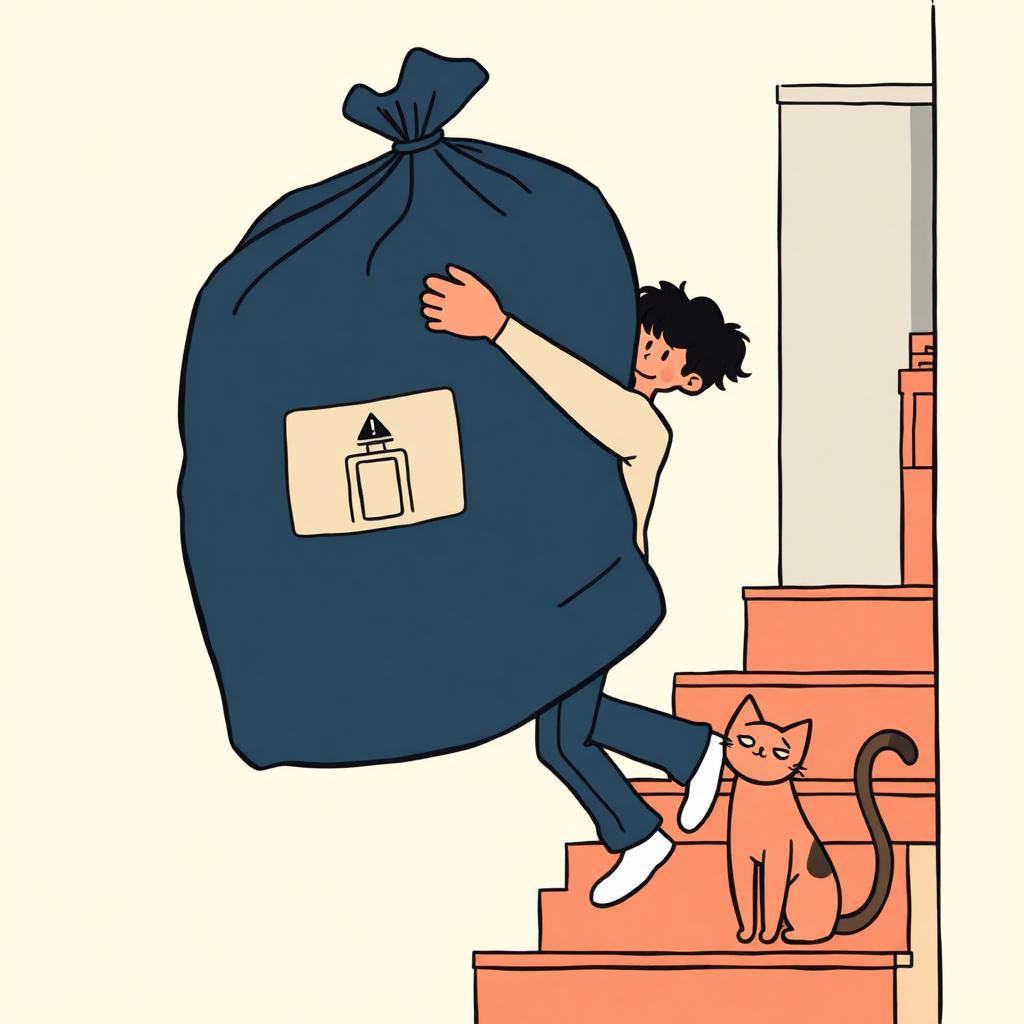
- Dust from some litters can hang in the air right where babies sleep, feed, and play.
- Tracked litter can end up on floors, changing stations, and crawling paths within hours.
- Strong fragrances may make a room feel clean while actually adding another irritant to indoor air.
- Parents often focus on toxoplasmosis but miss the daily issues of dust, odor control, and safe cleanup.
- Choose a low-dust, unscented litter with firm clumping so less material becomes airborne or smeared around the home.
- Place the box away from the nursery and use a mat plus daily scooping to reduce tracking fast.
- Have a non-pregnant adult handle litter when possible, and wash hands thoroughly after every cleanup.
- A plant-based option like NEKO can make sense if it stays low in dust, controls odor well, and is easy to remove before it spreads.
What matters most when choosing cat litter around a baby
When people search cat litter newborn baby, they are usually asking two different questions at once. First: is the litter itself likely to irritate a newborn or baby who shares the same indoor air. Second: how do you manage the litter box so the mess does not spread into the rest of the home. Those are related, but not identical. The biggest day-to-day issue in most homes is not dramatic toxicity. It is dust, tracking, odor, and cleanup discipline. Babies breathe close to floor level, spend time on soft surfaces, and put hands in mouths. That makes fine particles and scattered granules more relevant than many parents realize. A better litter for a home with an infant is usually unscented, low in dust, and stable enough to clump firmly instead of crumbling into damp bits that stick to paws. It should also be easy to scoop completely so urine and stool are removed quickly, before odor builds up and before anyone is tempted to “fix” the problem with harsh air fresheners. Start there. Then think about litter box location, who changes it, and how often. The safest litter choice still fails if the box sits beside the baby laundry hamper and gets scooped every third day.
Why dust is the first trait to screen for
Dust deserves top billing because it travels. A litter can look tidy in the box and still release a cloud during pouring, digging, or scooping. In a home with a newborn, that matters because airborne particles do not politely stay in the laundry room. They settle on floors, fabrics, and nearby surfaces. Some cats also launch litter with the enthusiasm of a small excavator, which does not help. Low-dust matters more than clever packaging claims, so test it with your own eyes. Pour a fresh bag slowly in good light. Scoop after your cat uses the box. If you can see a visible haze, that is not ideal for a baby’s shared air. Fragrance can make this worse by masking the problem rather than solving it. A strongly scented litter may smell “clean,” but perfume in a small indoor space can be irritating for adults and babies alike. Unscented litter is usually the better bet. If your cat already has a litter they tolerate well, avoid switching just because a label sounds premium. A cat that rejects the box creates a new hygiene problem on rugs or bedding. The goal is not a miracle product. It is less airborne material, fewer additives, and a litter your cat will actually use consistently.
How clumping, texture, and tracking affect baby-safe cleanup
The best litter for an infant household is usually the one that leaves the least behind after use. That comes down to clumping strength and particle behavior. When urine forms a firm, scoopable clump, you remove more waste in one pass and leave less residue to break apart later. Weak clumps crumble. Crumbs become odor. Odor invites overuse of deodorizers. Now everyone is losing. Texture matters too. Very fine granules can feel soft under paws, but they often stick more easily to fur and toe beans, then travel into hallways and living spaces. Larger or more structured particles may track less, though every cat has their own talent for proving this theory wrong. The practical test is simple: after three days, check the floor around the box and the rooms your cat visits most. If you are finding scattered litter near the baby play mat, the system needs work. A good setup includes a litter mat with enough surface area to catch particles as the cat exits, plus a box shape that suits your cat’s habits. High sides can help if your cat kicks backward. Open boxes can improve ventilation and visibility. Covered boxes may reduce scatter for some cats but can trap odor and discourage use for others. Clean removal beats cosmetic containment every time.
The real concern with newborns is not just litter type but litter box hygiene
Parents often zero in on ingredient lists and forget the simple truth: old waste is a bigger problem than many litter formulas. Dirty boxes mean more odor, more bacterial mess on paws, and more tracked contamination outside the box. Scoop at least daily, and more often if you have multiple cats or a cat that urinates heavily. Replace litter on a routine schedule instead of topping off forever. Wash the box with mild soap and warm water, then dry it fully before refilling. Skip heavily fragranced cleaners and avoid mixing bleach with anything that has ammonia from urine. That is chemistry you do not want to workshop indoors. Hand hygiene matters as much as product choice. Anyone who scoops should wash hands well afterward and avoid touching baby bottles, pacifiers, or feeding gear until they do. If a bag of litter sheds dust when stored, keep it sealed and out of the nursery, pantry, and linen closet. Ventilation helps too. A litter area with decent airflow is better than a stale corner where odors build. If NEKO or another plant-based litter performs well for your cat while staying low-dust and easy to scoop, it can be a sensible fit. But no litter overrules poor maintenance. Consistent cleanup is what keeps a baby-shared home manageable.
What to know about toxoplasmosis, pregnancy, and newborn households
Toxoplasmosis is the risk most people have heard about, and it deserves clear, calm context. The concern is mainly about exposure to parasite eggs shed in cat feces, particularly during pregnancy. That is why many doctors advise pregnant people not to handle litter if someone else can do it. In a home with a newborn, the same basic hygiene rules still apply: remove feces promptly, wash hands thoroughly after scooping, and keep the litter area inaccessible to children. Daily scooping helps because the parasite does not become infectious immediately after being passed. Outdoor hunting and raw meat diets can increase a cat’s risk of exposure, so indoor-only cats on conventional cooked diets are generally lower risk, though good hygiene should be the standard regardless. The baby does not need direct contact with the box for this to matter; contamination can spread through unwashed hands or tracked waste. This is another reason firm clumping and low tracking are practical safety features, not luxury preferences. If you are pregnant or your infant was born early or has a medical condition that affects immunity, ask your clinician and veterinarian for household-specific guidance. Sensible precautions usually go a long way. Panic does not. Neither does pretending the litter box cleans itself when everyone is tired.
Where to place the litter box when there is a nursery in the home
Location can quietly solve half the problem. The litter box should not live in the nursery, near the crib, beside baby laundry, or next to HVAC returns that push air through the house. Choose a space that your cat can access easily but your baby cannot. A laundry area, bathroom corner, or separate utility space often works well if it is not cramped, noisy, or likely to make the cat feel trapped. Keep the box away from food prep zones and away from where you store infant feeding supplies. If your home is small, distance still helps. Even moving the box from the main living room to a low-traffic alcove can reduce how much litter gets kicked into shared spaces. Use a large mat outside the box and vacuum or sweep around it often, especially once your baby starts rolling, crawling, or spending more time on the floor. If you use an air purifier in the room nearest the litter area, that may help with general airborne particles, but it should not be treated as permission to ignore dust or odor. The box should also be easy for adults to clean without balancing a diaper bag on one shoulder and making poor life choices. Convenience matters because inconvenient boxes get cleaned less often.
How to switch litters without creating stress for your cat
A safe-looking litter is not safer if your cat refuses to use it. Cats can be particular about texture, scent, depth, and box feel. If you want to move to a lower-dust or unscented litter after the baby arrives, change gradually. Start by mixing a small amount of the new litter into the old, then increase the ratio over several days to a week or more depending on your cat’s tolerance. Watch for hesitation, digging changes, or accidents outside the box. If your cat seems unsure, slow down. If you have room, set up a second box with the new litter and let the cat vote with their paws. This tells you more than packaging ever will. Avoid changing the box style, litter type, box location, and cleaning product all at once unless you enjoy mystery elimination problems. Cats do not. Kittens, seniors, and cats with arthritis may prefer softer textures or lower-entry boxes, so fit matters too. The household goal is to reduce dust and mess while preserving normal toileting habits. If a plant-based litter like NEKO gives you lower dust, decent odor control, and good acceptance from your cat, that is useful. If your cat rejects it, the right move is adjustment, not stubbornness. Clean floors are easier to achieve when the cat agrees with the plan.
Advanced tips for multi-cat homes, crawlers, and sensitive households
Some homes need a stricter setup. If you have multiple cats, the usual rule is enough boxes to prevent crowding and territorial tension, because stressed cats create mess fast. More boxes can also reduce how overloaded each one gets between scoops. Once your baby starts crawling, increase floor checks around litter pathways. Cats often take the same route out of the box, across one hallway, and onto the same rug every day. That route is your cleaning priority. Keep a small vacuum or broom nearby so tracked particles do not linger until weekend cleaning. If anyone in the home has asthma, allergies, or scent sensitivity, unscented and low-dust become even more important. You may also want to pour litter outdoors or in a ventilated space if the refill process is the dustiest part. For especially enthusiastic kickers, a high-sided box paired with a large mat often works better than simply choosing a heavier litter and hoping for the best. Monitor your cat’s paws and fur if they have long hair, since damp litter can cling and travel farther. Finally, tell caregivers the rules. Grandparents, sitters, and postpartum helpers should know where supplies are, how often to scoop, and why handwashing is non-negotiable. The litter box is a small household system. Small systems fail when everyone improvises.
Common questions
What is the best cat litter newborn baby households should use?
Usually an unscented, low-dust litter that clumps firmly and does not track heavily. Those traits matter more than trendy marketing terms. The best choice is also one your cat will reliably use, because accidents outside the box create a bigger hygiene problem than an imperfect litter formula.
Is clumping litter safe around babies?
For most homes, the main issue is not whether a litter clumps but how dusty it is and how well it is managed. Firm clumps can actually make cleanup easier because more waste is removed at once. Keep the box away from baby areas, scoop daily, and prevent babies from touching litter or tracked debris.
Should pregnant people avoid changing cat litter?
Most clinicians recommend that pregnant people avoid handling litter if another adult can do it, mainly because of toxoplasmosis concerns. If that is not possible, wear gloves, scoop daily, wash hands thoroughly, and keep the litter area clean. Ask your doctor for advice based on your specific health situation.
Are scented litters a good idea in a nursery home?
Usually no. Added fragrance can make a room smell cleaner without actually improving hygiene, and some people find strong scents irritating. In homes with infants, unscented litter is often the simpler and gentler choice, especially when paired with frequent scooping and good ventilation.
How often should I clean the litter box when I have a baby at home?
Scoop at least once a day, and more often if you have multiple cats or noticeable odor. Fully replace litter and wash the box on a regular schedule based on your litter type and the number of cats. Consistency matters more than deep-cleaning once in a while after things have already gotten grim.
One switch. Four problems, gone.
Start a NEKO subscription and get your first 7L bag for 40% off. Free shipping, delivered every 4–6 weeks. Skip, pause, or cancel anytime.