Why Is My Cat Wheezing After Using the Litter Box?
Explore possible reasons for wheezing episodes, how litter dust may play a role, and when to seek veterinary advice.
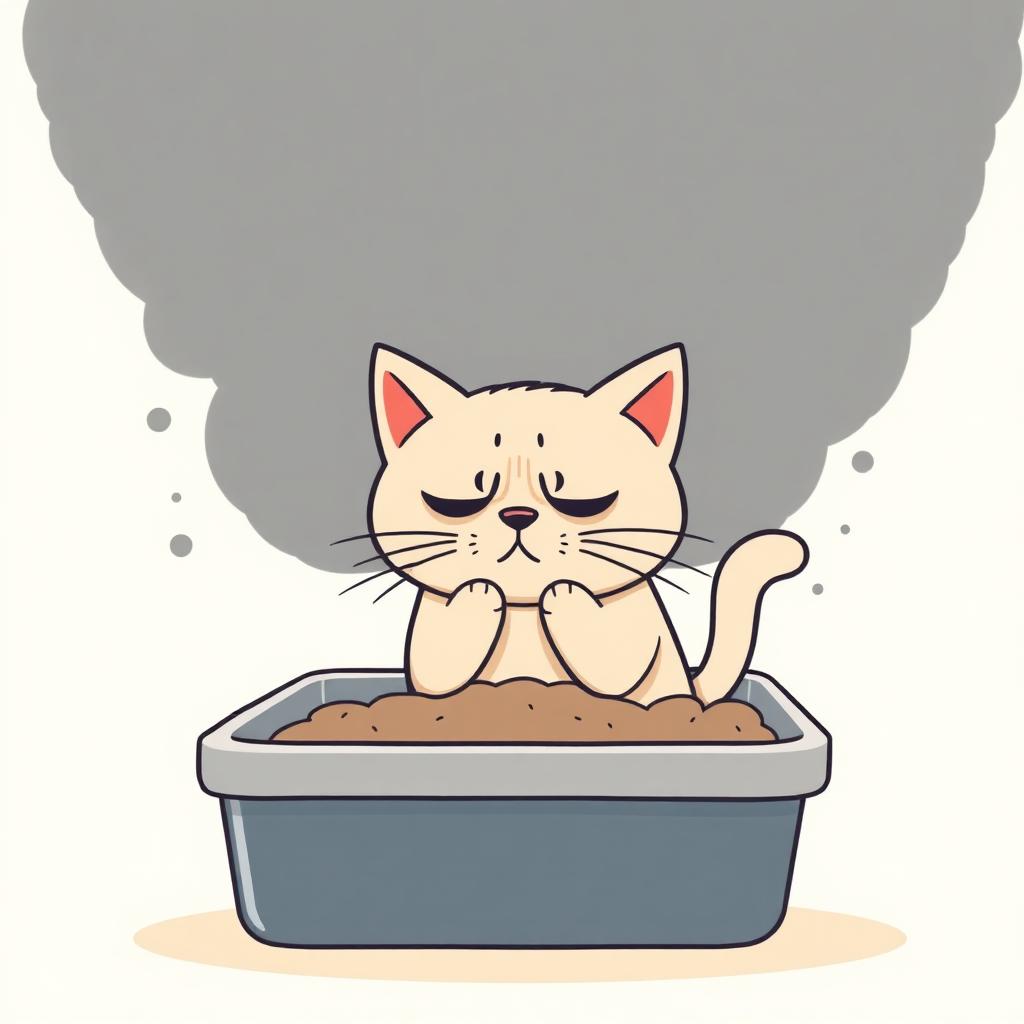
- Your cat starts wheezing, coughing, or breathing noisily right after using the litter box
- It is hard to tell the difference between dust irritation, a hairball episode, and something more serious
- Some litters create airborne particles that can aggravate sensitive airways
- You need to know when a simple litter change may help and when a vet should check your cat
- Watch the pattern: note whether wheezing happens during digging, right after the box, or at random times too
- Switch to a low-dust, unscented litter and keep the box clean, dry, and well ventilated
- Reduce airborne irritants around the box, including scented sprays, smoke, and tracked litter dust
- If episodes repeat, worsen, or come with open-mouth breathing, get veterinary advice promptly
When wheezing happens after the litter box, start with the timing
If your cat wheezing litter box episodes happen within minutes of digging, covering, or stepping out of the tray, the timing matters. That pattern often points to something in the box environment irritating the airways. Dust is the most obvious suspect, but it is not the only one. Scented litter, ammonia from old urine, cleaning sprays used near the tray, and poor airflow in a small laundry room or bathroom can all trigger coughing or wheezing in a sensitive cat. Some cats also crouch, stretch their neck, and make a harsh expiratory sound that owners mistake for a hairball. Sometimes it is a hairball. Sometimes it is feline asthma. The difference is important. A true wheeze is usually a whistling or tight, breathy sound from narrowed airways. A cough can sound dry, repetitive, and forced. If the episode only appears during litter use, write down exactly what happens: how long your cat digs, whether there is visible dust, how long the episode lasts, and whether your cat recovers quickly. Those details help you decide whether to start with the litter setup or call your vet sooner.
Litter dust can irritate the airways more than most owners realize
Many litters release fine particles when cats dig, jump in, or scrape the sides of the box. Those particles can hang in the air, especially in a covered box or a room with weak ventilation. Once inhaled, dust can irritate the nose, throat, and lower airways. In a cat with healthy lungs, that may cause only a brief cough or sneeze. In a cat with inflamed or sensitive airways, the same dust can provoke a much stronger reaction. That is where wheezing enters the picture. The airway lining can become irritated, swell, and produce mucus. The muscles around the small airways may also tighten. The result is narrowed breathing passages and that classic wheezy sound on exhalation. Texture matters too. Very lightweight or powdery litter tends to become airborne more easily than denser, low-dust material. Fragrance is another issue. Perfumes added to mask odor can act as inhaled irritants. Honest point: switching to a genuinely low-dust, unscented litter is one of the simplest changes to try first. A plant-based option like NEKO may help if your current litter is visibly dusty or heavily scented, but a litter change is only part of the answer if your cat already has an underlying airway condition.
Wheezing is not always about litter: asthma, infection, and irritation can overlap
Cats do not read symptom charts, so the same wheeze can come from different problems. Feline asthma is one of the most common possibilities when coughing and wheezing keep recurring. Asthma involves chronic airway inflammation and can flare when a cat encounters triggers such as dust, smoke, aerosol sprays, perfume, or stress. Upper respiratory infections can also cause noisy breathing, though those cats often have sneezing, nasal discharge, or watery eyes as well. Lower airway infections are less common but possible. Heart disease sometimes causes breathing changes that owners interpret as wheezing, especially when the sound is subtle and the cat is resting more than usual. There are also mechanical irritants: a hairball episode, a blade of grass, or even litter particles stuck around the nose after vigorous digging. The key point is this: if your cat wheezes only once after a very dusty litter-box session and then acts normal, the box environment is a reasonable place to focus first. If wheezing happens in other rooms, during sleep, with exercise, or several times a week, think beyond litter. Repeated episodes deserve veterinary evaluation because asthma and other respiratory problems are much easier to manage before they become emergencies.
How to tell a mild irritant reaction from a vet-level breathing problem
A brief cough or wheeze after digging does not automatically mean danger, but breathing symptoms are never something to shrug off for long. A mild irritant reaction usually stops quickly once your cat leaves the box and the dust settles. Your cat returns to normal breathing, walks away, eats, and behaves as usual. Concerning signs are different. Watch for repeated coughing fits, wheezing that lasts more than a few minutes, breathing with the mouth open, obvious belly effort when breathing, blue or gray gums, lethargy, or hiding after the episode. Also pay attention to posture. Cats in respiratory distress often crouch with the neck extended and elbows slightly out, as if trying to make more room for the lungs. That is not a wait-and-see moment. Another red flag is increased resting respiratory rate. When your cat is asleep or deeply relaxed, count the breaths for 30 seconds and double it. A persistently elevated rate, especially with effort, should prompt a call to the vet. If there is ever open-mouth breathing or your cat seems unable to settle the episode, seek urgent care. Cats are very good at hiding illness right up until they are not.
The litter box setup itself can make respiratory symptoms better or worse
Even with the same litter, box design and location can change how much your cat inhales. Covered boxes trap odor, but they also trap dust and ammonia. When a cat digs inside that enclosed space, the concentration of airborne particles can increase. For a sensitive cat, that is a poor trade. An open box in a well-ventilated area is often easier on the airways. Placement matters too. A box next to a dryer vent, in a cramped bathroom, or near strong-smelling cleaners can add extra airborne irritants. Cleanliness also matters for respiratory comfort. If urine sits too long, ammonia odor builds, and that can irritate the nose and airways. Scoop daily and wash the box regularly with a mild, unscented soap, then rinse thoroughly. Skip fragranced deodorizers and most litter perfumes. Fill depth can help as well: enough litter for normal digging, but not so much that the cat creates a miniature dust storm every visit. If your current litter leaves a visible haze when poured, or a film on nearby surfaces, that is useful evidence. The practical goal is simple: fewer particles in the air, less trapped odor, and better airflow around the tray.
What to change at home over the next few days
Start with the least dramatic, most useful adjustments. First, remove obvious inhaled irritants around the litter area: scented candles, plug-ins, room sprays, bleach fumes, cigarette or vape smoke, and dusty laundry products. Next, switch to an unscented low-dust litter if the current one looks powdery or your cat kicks up visible clouds while digging. Make the transition gradually over several days if your cat is picky, but if the respiratory reaction is strong, a faster change is reasonable. An open box usually beats a hooded one for airflow. Scoop at least once daily so your cat is not breathing concentrated odor from old waste. Then monitor. Use your phone to record any episode if you can do it safely; videos are extremely helpful for vets because owners often describe cough, gag, wheeze, and hairball in the same words. Also note whether symptoms happen only after litter use or at other times. If your cat has mild, infrequent episodes and they improve after reducing dust exposure, that supports the irritant theory. NEKO is relevant here only in the practical sense: a low-dust, unscented tofu litter may reduce one common trigger. It is not a treatment for asthma, infection, or heart disease.
If your cat has asthma, litter choice is part of management, not the whole plan
For cats with diagnosed or suspected asthma, the airways are already primed to overreact. That means small triggers matter more. Dust from litter can be one of those triggers, along with smoke, aerosols, fireplace soot, renovation dust, and strong fragrance. But even the cleanest litter setup will not control asthma by itself if the underlying inflammation is active. Veterinary treatment may include imaging, examination of the breathing pattern, and medications to reduce airway inflammation or open the airways. At home, your job is trigger control. Keep the litter low dust and unscented. Avoid spraying cleaners near the tray. Run ventilation or an air purifier if your home tends to be dusty. Vacuum with care and avoid stirring up clouds right before your cat uses the box. If a cat on asthma medication still wheezes every time it digs in the litter, that is useful information for your vet. It may mean the trigger load is still too high or the treatment plan needs adjustment. Think of litter choice as one spoke in the wheel. Important, yes. Sufficient on its own, usually no. Asthmatic cats do best when environmental control and medical management work together.
Kittens, seniors, and multi-cat homes need a slightly different approach
Age and household setup can change the picture. Kittens are small, curious, and more likely to nose directly into fresh litter, so dusty products can bother them quickly. They can also have viral respiratory infections that muddy the waters, making a litter trigger harder to spot. Senior cats deserve extra caution because breathing changes may be linked not just to airway disease but also to heart problems, weakness, or reduced ability to recover from irritation. In a multi-cat home, one cat may seem to wheeze after the box simply because that box is used more often, gets dirtier faster, and accumulates more ammonia and dust. The fix there is not just changing litter. Add enough boxes, scoop more often, and spread the boxes into well-ventilated areas rather than clustering them all in one small room. If only one cat reacts, compare behavior: does that cat dig longer, bury more aggressively, or use the covered box while the others avoid it. Small patterns tell the story. The goal is not perfection. It is narrowing the trigger list efficiently so you can tell whether this is a box-environment issue, a cat-specific respiratory problem, or both.
Common questions
Can cat wheezing litter box episodes be caused by dust alone?
Yes, they can. Fine litter dust can irritate the airways enough to cause coughing or wheezing, especially in cats with sensitive lungs or asthma. But dust is not the only possible cause. If episodes are recurring, severe, or also happen away from the box, your cat should be checked for asthma, infection, or other respiratory disease.
How do I know if my cat is wheezing or trying to cough up a hairball?
Hairball episodes often involve gagging, retching, and a repeated heaving motion, sometimes followed by actual vomit or a hairball. Wheezing is more of a tight, whistling, or harsh breathing sound, usually on exhalation. Cats with asthma may crouch low with the neck stretched forward. If you are unsure, record a video for your vet.
Should I switch litters if my cat coughs after using the box?
If the litter is dusty or scented, yes, a switch is a reasonable first step. Choose an unscented, low-dust option and improve ventilation around the box. Also scoop more often and avoid fragranced cleaners nearby. If symptoms continue after the change, do not assume the problem is solved. Recurrent coughing or wheezing still needs veterinary advice.
When is wheezing after the litter box an emergency?
Get urgent help if your cat has open-mouth breathing, blue or gray gums, obvious belly effort when breathing, collapse, severe lethargy, or a wheezing episode that does not settle quickly. Cats can worsen fast once breathing becomes difficult. It is safer to overreact to respiratory distress than to wait.
Are covered litter boxes worse for cats with breathing issues?
They can be. Covered boxes may trap dust, odor, and ammonia inside the space where your cat is digging and breathing. Some cats tolerate that fine. Others do much better with an open box in a well-ventilated area. If your cat seems to wheeze right after using a hooded box, switching to an open setup is a sensible test.
One switch. Four problems, gone.
Start a NEKO subscription and get your first 7L bag for 40% off. Free shipping, delivered every 4–6 weeks. Skip, pause, or cancel anytime.