Clay vs Grass Cat Litter: Choosing Between Traditional and Plant-Based Options
Explore how grass and clay litter stack up in clumping, odor control, dust, and cleanup for real households.
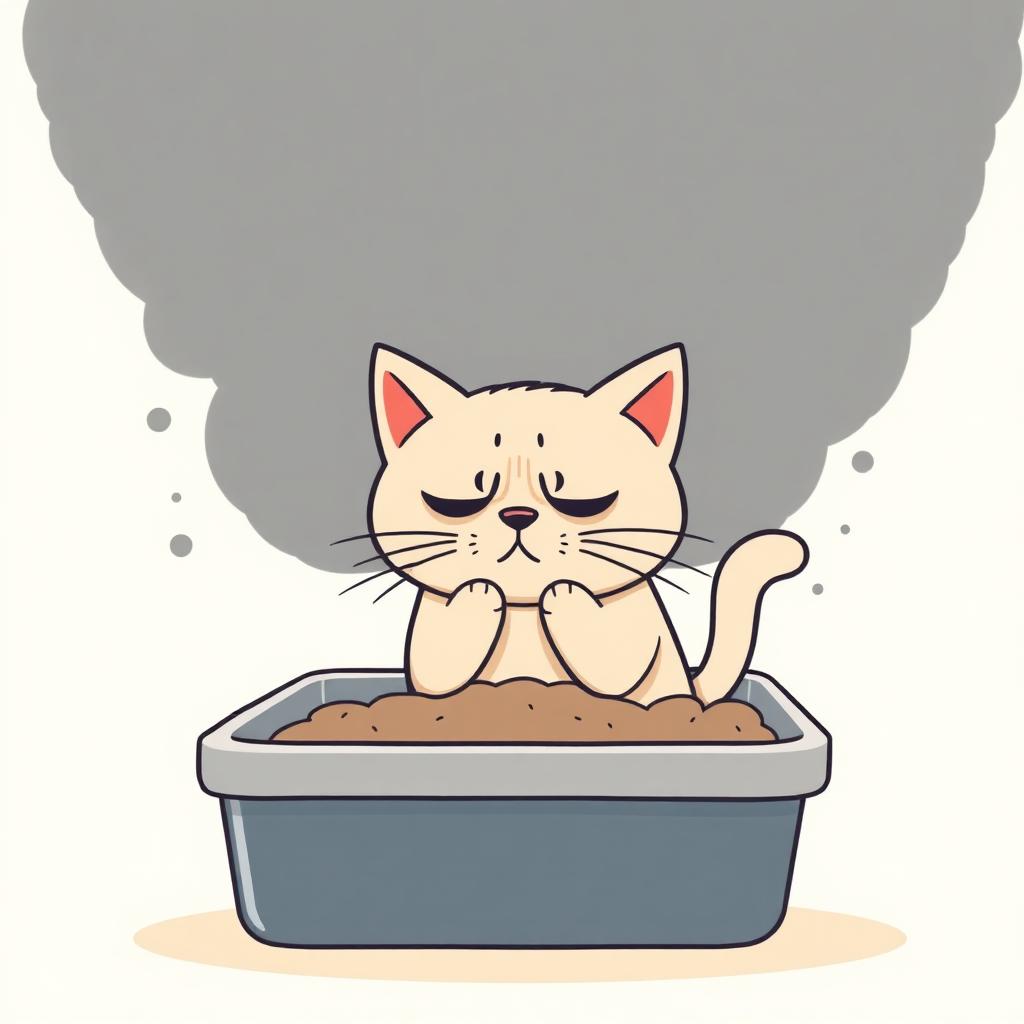
- The litter box smells fine on day one, then turns sour fast.
- Dust coats the box area or bothers cats and people with sensitive airways.
- Clumps break apart during scooping and leave dirty litter behind.
- Tracking, weight, and disposal become a weekly hassle.
- Compare how each litter handles moisture, not just how it smells in the bag.
- Match the litter to your household: one cat, multiple cats, kittens, seniors, or a small apartment.
- Choose a low-dust plant-based option if cleanup and air quality matter; NEKO fits that need honestly.
- Transition gradually over several days so your cat accepts the new texture and scent.
What cat owners are really comparing with clay vs grass litter
Most people searching clay vs grass litter are not looking for a philosophy lesson about natural products. They want to know which one keeps the box usable between scoops, controls odor without filling the room with perfume, and does not turn cleanup into a dusty chore. Clay litter has been the standard for years because it usually clumps quickly and feels familiar to many cats. Grass litter sits in the plant-based camp, but that label alone tells you very little. The real question is how each material behaves once urine and stool hit the box. Clay generally relies on mineral particles that swell and bind when wet. Grass litter uses plant fibers and starches to absorb moisture and form clumps. That difference affects everything downstream: dust levels, box weight, tracking, odor, and how often the whole box needs to be refreshed. If your cat has no strong preference, the better choice usually comes down to your tolerance for dust, your cleaning routine, and how much moisture your household asks the litter to handle every day.
How clay and grass litter actually work
Clay clumping litter typically forms a shell around wet spots very fast. That speed is why many cat owners trust it. A firm clump is easier to lift out before urine spreads through the rest of the box. The tradeoff is that mineral litter is often heavier and can create fine dust when poured, scratched, or scooped. Grass litter works differently. The fibers absorb liquid into a lighter plant matrix, and the clump forms as moisture binds the material together. Good grass litter can clump well, but it may need a little more time before scooping, especially after a large urine spot. Odor control also follows the material. Clay can trap waste effectively for a while, but once dirty litter accumulates, the smell tends to linger in the box itself. Grass litter often absorbs quickly and can smell cleaner at the start, though performance depends heavily on whether you scoop promptly and keep enough depth in the pan. In short, clay wins on immediate firmness in many homes, while grass often wins on lighter handling and lower dust. Neither one is magic. Maintenance still matters more than marketing copy.
Clumping strength: firm scoop or messy crumble
Clumping is where many litter comparisons are won or lost. If a clump breaks apart when you lift it, wet material falls back into the clean litter and starts a chain reaction of odor. Clay usually has an advantage here because it forms dense, compact clumps soon after use. That makes it forgiving for busy owners who scoop at irregular times. Grass litter can also clump well, but technique matters more. A shallow fill level leads to flat, wet spots stuck to the bottom of the box. Give it enough depth and a few extra minutes after urination, and clumps are often easier to remove cleanly. The box itself matters too. Smooth plastic helps both litter types release better than old scratched pans, where moisture gets trapped and clumps weld themselves in place. Multi-cat homes put extra pressure on clumping performance because one cat may step on another cat’s fresh deposit and crush it before it sets. In those households, clay often feels more predictable. For one or two cats with regular scooping, grass can hold up well and keeps the process lighter. If you are testing a switch, watch not just how the clump forms but how clean the surrounding litter stays after scooping.
Odor control depends on moisture management, not perfume
Odor starts when waste sits too long and moisture spreads through the box. That is why a heavily fragranced litter can still smell bad by day three. Clay litter often masks odor at first and contains it well if clumps stay intact. But once urine reaches loose litter and dries there, the whole box can take on an ammonia edge. Grass litter usually has less of that artificial scent profile, which some people prefer immediately and some mistake for weaker performance. The better way to judge it is after several days of normal use. Does the box smell sharp when you walk by, or only when you are right over it scooping. Plant-based litters can do very well here because they absorb moisture fast and remove it from the surface area cats keep disturbing. They also tend to avoid the dusty smell that some mineral litters leave behind. That said, stool odor is less about material and more about scoop speed. No litter deserves praise for handling a mess that should have been removed an hour ago. If odor control is your top priority, keep the box full enough, scoop at least daily, and fully replace litter before the base layer starts smelling sour. Material choice helps, but routine does the heavy lifting.
Dust, air quality, and the mess outside the box
Dust is where many households abandon clay. Even a litter that claims to be low dust can release fine particles when you pour a fresh bag, top off the box, or scrape the scoop across dry granules. That matters if your cat sneezes around the box, tracks pale residue onto dark floors, or if anyone in the home is sensitive to airborne particles. Grass litter is usually lighter on the lungs and lighter on surfaces because it tends to produce less visible dust in normal use. That does not mean zero mess. Plant-based granules can still track, especially if your cat launches out of the box like it owes someone money. The difference is in the type of mess. With clay, you often deal with dusty footprints and gritty sediment collecting around the box. With grass, tracking is more likely to be a few escaped pieces you can sweep up quickly. Box design helps both. A larger mat catches more than a tiny decorative one, and a high-sided box reduces enthusiastic excavation. If dust is the reason you are comparing options, grass usually has a practical edge. That is one honest reason some owners move to a plant-based litter like NEKO rather than sticking with a familiar mineral formula.
Weight, storage, and daily cleanup in real homes
People often underestimate how much litter weight shapes daily life until they carry it upstairs, pour it into a box, and haul the waste out every week. Clay is dense. That density can make a box feel stable, but it also means heavier bags, heavier disposal, and more strain if you have multiple boxes or limited mobility. Grass litter is generally much lighter, which sounds like a small lifestyle perk until you live in a walk-up apartment or need to change litter with one hand while preventing a cat from supervising too closely. Storage is easier too. A lighter bag is simply less annoying to move and top up. Cleanup follows the same pattern. Clay can leave a film in the pan over time, especially if damp bits smear during scooping. Grass litter often empties out with less residue if clumps are removed before they soften. The main caution is overfilling the scoop or shaking too aggressively, which can break softer plant-based clumps. For busy households, the best cleanup setup is boring but effective: enough litter depth, a sturdy scoop with slots matched to the granule size, and a consistent scooping schedule. Fancy promises matter less than the day-to-day friction of using the product.
Which litter suits kittens, seniors, and multi-cat homes
Not every litter works equally well for every cat. Kittens need extra caution because they explore with their mouths, and very strong fragrances or very dusty materials are rarely ideal. Seniors often care less about novelty and more about comfort. If a litter is too deep, too unstable, or too painful under arthritic paws, they may stop using the box reliably. Grass litter is often gentler in feel and easier to dig through than some coarse clay formulas, though cat preference varies more than owners like to admit. Multi-cat homes change the equation again. More cats mean more moisture, more traffic, and less time for clumps to set before another cat disturbs them. In that case, strong immediate clumping becomes more important, and some households find clay easier to manage. Others do well with grass by using larger boxes, deeper fills, and stricter scooping. Placement matters as much as material. A cramped laundry corner with one overused box will make any litter seem worse than it is. If your cat has respiratory sensitivity, tracks dust through the house, or your home has limited ventilation, grass becomes especially appealing. If your household is all about maximum clump firmness under heavy use, clay may still hold its ground.
How to switch from clay to grass without a protest pee
Cats do not care that you read comparison articles. They care that their bathroom suddenly feels different underfoot. A clean switch from clay to grass usually works best over several days rather than all at once. Start by mixing a small amount of grass litter into the existing clay litter, enough to change the texture slightly but not enough to make the box feel unfamiliar. Increase the ratio gradually as long as your cat keeps using the box normally. Keep everything else stable: same box, same location, same scoop routine. This is not the week to buy a covered box and move it next to a noisy dryer. Watch behavior closely. If your cat sniffs, hesitates, or starts perching on the edge, slow down the transition. Some cats adapt quickly because plant-based litter feels soft and neutral. Others need time to trust a new texture or smell profile. During the switch, scoop frequently so the cleaner litter remains attractive. If you are moving for dust reasons, the payoff often shows up fast in the room itself. Less haze when pouring. Less residue on the floor. Less drama when you clean. Your cat will still judge you, of course, but ideally not for the litter choice.
Common questions
Is clay vs grass litter better for odor control?
It depends on the box routine and the number of cats. Clay often controls odor well at first because it forms fast, dense clumps. Grass can smell cleaner overall because it absorbs moisture quickly and usually adds less dusty or perfumed odor to the room. If you scoop daily and keep enough litter depth, either can work. If clumps break apart, both will start to smell.
Does grass cat litter clump as well as clay?
Often yes, but not always in the same way. Clay tends to form firmer clumps faster, which helps in busy or multi-cat homes. Grass litter can clump very well when the box has enough depth and the litter is given a little time to set before scooping. If you scoop immediately after use, clay is usually more forgiving.
Is grass litter less dusty than clay litter?
Usually yes. That is one of the main reasons people switch. Clay can release fine dust when poured, scratched, or scooped, even in formulas marketed as low dust. Grass litter generally creates less airborne mess and leaves less residue around the box. It can still track, but the mess is often easier to sweep up.
Can cats be picky about switching from clay to grass litter?
Absolutely. Many cats accept the change with a gradual mix-in over several days, but some dislike any sudden texture shift. Start with a small amount of grass litter mixed into the old litter and increase it slowly. Keep the box location and cleaning routine unchanged during the transition to give your cat fewer reasons to object.
Is grass litter good for multi-cat homes?
It can be, but setup matters. Use large boxes, enough litter depth, and scoop often so clumps stay intact. In heavy-use homes, some owners still prefer clay because it firms up very quickly. If dust, weight, or air quality are major concerns, a well-performing grass litter can still be a strong option with the right maintenance.
One switch. Four problems, gone.
Start a NEKO subscription and get your first 7L bag for 40% off. Free shipping, delivered every 4–6 weeks. Skip, pause, or cancel anytime.