Why Is My Cat Peeing Small Amounts Frequently?
Frequent tiny clumps can signal urinary irritation, stress, or blockage, and this article explains what to watch for.
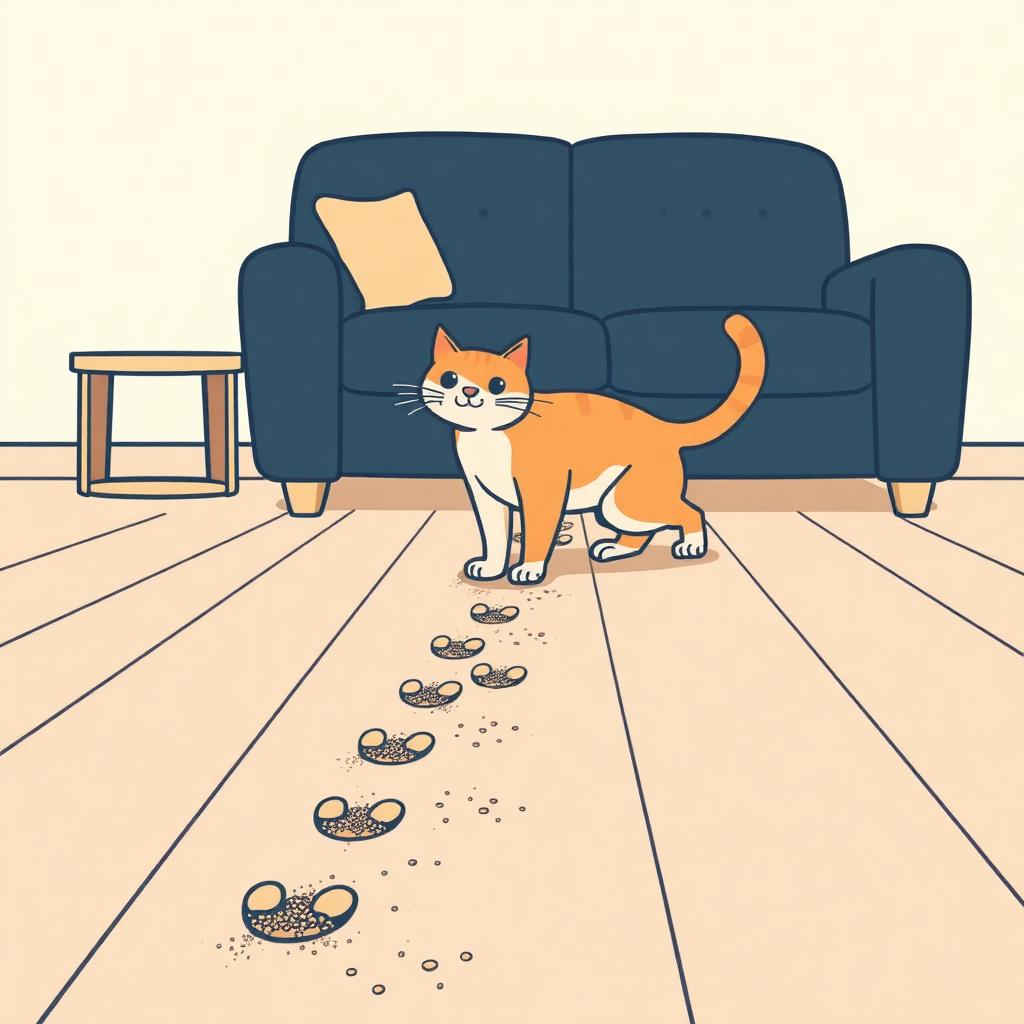
- Your cat visits the box often but produces only tiny clumps or drops.
- Frequent straining can look like constipation when the real issue is urinary pain.
- Stress, bladder inflammation, crystals, or infection may all cause similar signs.
- In male cats, repeated attempts to pee can become a life-threatening blockage fast.
- Check whether urine is actually coming out, how often your cat tries, and whether you see blood, crying, or licking.
- Treat repeated straining with little or no urine as urgent, especially in male cats.
- Book a vet visit for frequent tiny pees that last more than a day, keep returning, or come with accidents outside the box.
- Use a low-dust litter that forms clear clumps, like NEKO, so changes in urine amount are easier to spot early.
What frequent tiny pees usually mean
When a cat is peeing small amounts over and over, the common thread is irritation somewhere in the lower urinary tract. That includes the bladder and urethra, the tube that carries urine out. A cat with bladder discomfort often feels the urge to urinate even when the bladder is nearly empty, so you see many box trips and tiny clumps instead of the usual larger ones. Some cats squat for a long time, produce only a few drops, then return again ten minutes later. Others start peeing on cool surfaces like a bathtub, tile floor, or laundry pile because the urge is intense and they cannot hold it. The tricky part is that several different problems can look almost identical at home: stress-related bladder inflammation, crystals, stones, infection, or a partial blockage. Constipation can confuse things further because straining in the box looks similar from a distance. The key question is not just “Is my cat going often” but “How much urine is coming out, and does the cat seem uncomfortable doing it.” If output is tiny, frequent, and new, it deserves attention sooner rather than later.
The most common causes, from stress to stones
Many cats with this pattern have feline idiopathic cystitis, often shortened to FIC. That means bladder inflammation without a simple bacterial cause, and stress is a major trigger. A new pet, visitors, conflict with another cat, a move, boredom, or even a dirty litter box can be enough to set it off in some cats. Urinary crystals and bladder stones can cause similar signs because they scrape and irritate the bladder lining or partially obstruct flow. Bacterial urinary tract infections are possible, but they are less common in younger adult cats than many people assume; they are seen more often in seniors or cats with other health issues. Then there is urethral blockage, which is the emergency on this list. Male cats are at higher risk because their urethra is narrower and easier to plug with inflammatory debris, crystals, or spasm. A blocked cat may keep trying to pee and produce nothing or only drops. Bladder tumors are less common, but in older cats they can mimic cystitis. Because the signs overlap so much, the cause cannot be guessed from frequency alone. The pattern gives clues, but diagnosis usually depends on exam findings, a urine sample, and sometimes imaging.
How to tell normal frequent peeing from an emergency
The red-flag difference is whether urine is coming out. If your cat is repeatedly posturing in the box, straining, vocalizing, licking the penis or vulva, hiding, or acting restless, but you see no urine or only a few drops, assume urgency. In a male cat, that can become life-threatening within hours because toxins build up when urine cannot leave the body. A hard, painful belly, vomiting, weakness, collapse, or open-mouth breathing are severe warning signs. Do not wait for the next day in that situation. Females can also have serious urinary pain and obstruction, though full blockage is less common. If your cat is still passing small amounts but otherwise seems fairly comfortable, you may have a little more time, but “small amounts frequently” still warrants a prompt call to your vet. Try to watch one litter box trip from start to finish rather than relying on clump count alone. Some cats visit often to sniff or scratch without peeing, while others make several separate tiny spots. If you are unsure whether the problem is urination or constipation, note body posture: urinary straining often involves repeated squat-and-rise behavior with attention to the genital area afterward. Constipated cats may strain longer and produce little or no stool.
What your vet is looking for and why it matters
A veterinary workup for urinary trouble is usually focused and practical. First comes the physical exam, including whether the bladder feels small, enlarged, or difficult to express. A very full, firm bladder in a straining cat is a major concern for obstruction. Your vet will usually want a urine sample to check concentration, blood, inflammatory cells, crystals, sugar, and sometimes bacteria. If infection is suspected, a urine culture may be recommended because not all bacteria respond to the same antibiotic, and not every inflamed bladder needs one in the first place. Imaging can be useful when stones, sludge, or structural problems are possible. X-rays may show some stones clearly, while ultrasound can reveal bladder wall changes, sediment, or masses. In recurrent cases, your vet may also discuss kidney function, hydration, weight, and diet. This is why guessing at home tends to go badly. A stressed cat with sterile cystitis may need pain relief and environmental changes, while a cat with stones may need imaging and a different treatment path. The signs overlap, but the mechanism matters. Pain, inflammation, urethral spasm, crystals, and infection are not interchangeable problems, even if the litter box looks similar.
What you can do at home before and after the appointment
Start by observing, not experimenting. Count litter box trips for a day if you can. Take a short video of the straining if your cat allows it. Note whether the clumps are smaller than usual, whether there is pink or red discoloration, and whether your cat is peeing outside the box. If you use clumping litter, this is easier to monitor because each urination leaves a visible record. A low-dust litter that forms defined clumps, such as NEKO, can make changes in urine output more obvious, which helps you notice trouble early. Encourage water intake with multiple bowls, fresh water daily, and, if your cat likes it, a fountain. Wet food often helps increase total fluid intake. Keep the litter box very clean and easy to access. If your cat has to climb stairs or pass a noisy dog to reach the box, fix that. Add extra boxes in quiet areas. Avoid punishing accidents outside the box; a painful cat is not being spiteful, just miserable. Do not give leftover antibiotics, human pain medicine, or random supplements without veterinary guidance. Those moves can delay proper care and, in some cases, make things worse. The useful home job is careful observation plus stress reduction, not DIY treatment.
Stress is not a soft cause. It changes the bladder
Owners sometimes hear “stress-related cystitis” and think the problem must be minor or behavioral. It is not. In susceptible cats, stress can alter bladder lining function, increase inflammation, and change how the nervous system processes pain. The result is a cat that feels a strong, frequent urge to urinate even with little urine present. That is a real physical problem, not drama from a tiny actor in a fur coat. Common triggers include conflict with another cat, lack of safe vertical space, sudden routine changes, guests, renovations, travel, and chronic boredom. Resource competition matters more than many people realize. If two cats share one litter box in a busy hallway, one may avoid it until discomfort gets severe. Practical stress reduction usually means more boxes than you think, placed in separate quiet locations, plus separate food and water stations, hiding spots, climbing options, and predictable routines. Some cats need more play, especially short prey-style sessions that let them stalk and pounce. Others need fewer social demands from people or other pets. If your cat has repeated episodes with no infection or stones found, environmental management is not optional. It is part of treatment, and for some cats it makes the difference between occasional flares and a recurring cycle.
Litter box setup can either help or hide the problem
A poor litter setup can contribute to urinary stress and make symptoms harder to spot. Cats generally prefer a box that is large enough to turn around comfortably, easy to enter, and cleaned often. Strong fragrances, cramped covered boxes, rough litter textures, and noisy high-traffic locations can all discourage normal use. When a cat already has urinary discomfort, even a small box issue can push them toward holding urine or choosing a different spot in the house. Monitoring matters too. If the litter does not clump well, scatters badly, or creates a dusty mess, it is harder to judge whether your cat is making normal amounts of urine. Clumping litter gives you a simple daily visual check: are the clumps regular, tiny, absent, or streaked with blood. That is one honest reason some owners prefer tofu-based litter options like NEKO. The point is not that litter cures urinary disease. It does not. The point is that a soft, low-dust, absorbent litter can support better box habits and make output easier to track. In multi-cat homes, box math matters as much as litter type. Separate boxes in separate locations help you identify which cat is producing the tiny clumps instead of turning the whole mystery into group homework.
Recurring episodes, older cats, and other edge cases
If your cat keeps having episodes of frequent tiny urination, the next step is not just repeating the same response forever. Recurrent signs deserve a deeper look at patterns: diet changes, water intake, body weight, indoor conflict, seasonality, and whether symptoms follow stressful events. Senior cats deserve special attention because they are more likely to have concurrent disease that changes the urinary picture. Diabetes, kidney disease, arthritis, and cognitive changes can all affect litter box habits. Arthritis is an especially easy one to miss. An older cat may delay box trips because climbing into a high-sided box hurts, then appear to have urinary urgency when some of the issue is access and timing. Infection also becomes more likely in older cats than in healthy younger adults. If your cat is drinking much more than usual, producing larger clumps at other times, losing weight, or seeming weak, the problem may extend beyond the bladder. On the flip side, some cats with classic cystitis signs have normal blood work and no bacteria at all. That is why trend tracking helps. Keep notes on flare frequency, diet, litter changes, and home stressors. Good records can shorten the path to a more tailored plan, especially when the episodes are intermittent and your cat acts normal by the time the appointment arrives.
Common questions
Why is my cat peeing small amounts so often?
Frequent tiny pees usually point to bladder or urethral irritation. Common causes include stress-related cystitis, crystals, stones, infection, or a partial blockage. The sign that matters most is output: if your cat keeps trying but little or nothing comes out, call a vet promptly. In male cats especially, that can become an emergency quickly.
How do I know if my cat is blocked or just constipated?
Blocked cats usually make repeated trips to the litter box, squat and strain, produce little or no urine, lick the genital area, and may cry or become restless. Constipated cats also strain, but the issue is stool rather than urine. If you cannot tell which it is, treat inability to pass urine as urgent and seek veterinary care the same day.
Can stress really make a cat pee small amounts frequently?
Yes. Stress can trigger real bladder inflammation in some cats, often called feline idiopathic cystitis. These cats may urinate very small amounts often, seem uncomfortable, or have accidents outside the box. Common triggers include changes in routine, conflict with other cats, lack of litter boxes, guests, noise, and boredom.
Should I take my cat to the vet for cat peeing small amounts?
Yes, especially if the pattern is new, lasts more than a day, keeps returning, or comes with blood, pain, or accidents outside the box. Go urgently if your cat strains and produces almost nothing, particularly if your cat is male. Urinary blockage is an emergency, not a wait-and-see problem.
What can I do at home while waiting for the appointment?
Watch one or two litter box trips closely and note whether urine is actually coming out. Keep the box clean, provide easy access to multiple boxes, and encourage water intake with fresh bowls or wet food if your cat already eats it. Do not give human pain medicine or leftover antibiotics. Observation and comfort are helpful; guessing on treatment is not.
One switch. Four problems, gone.
Start a NEKO subscription and get your first 7L bag for 40% off. Free shipping, delivered every 4–6 weeks. Skip, pause, or cancel anytime.