How to Choose a Litter for Cats With Allergies and Sensitive Skin
This guide covers litter texture, additives, and cleaning practices that may help reduce itching, sneezing, and paw irritation.
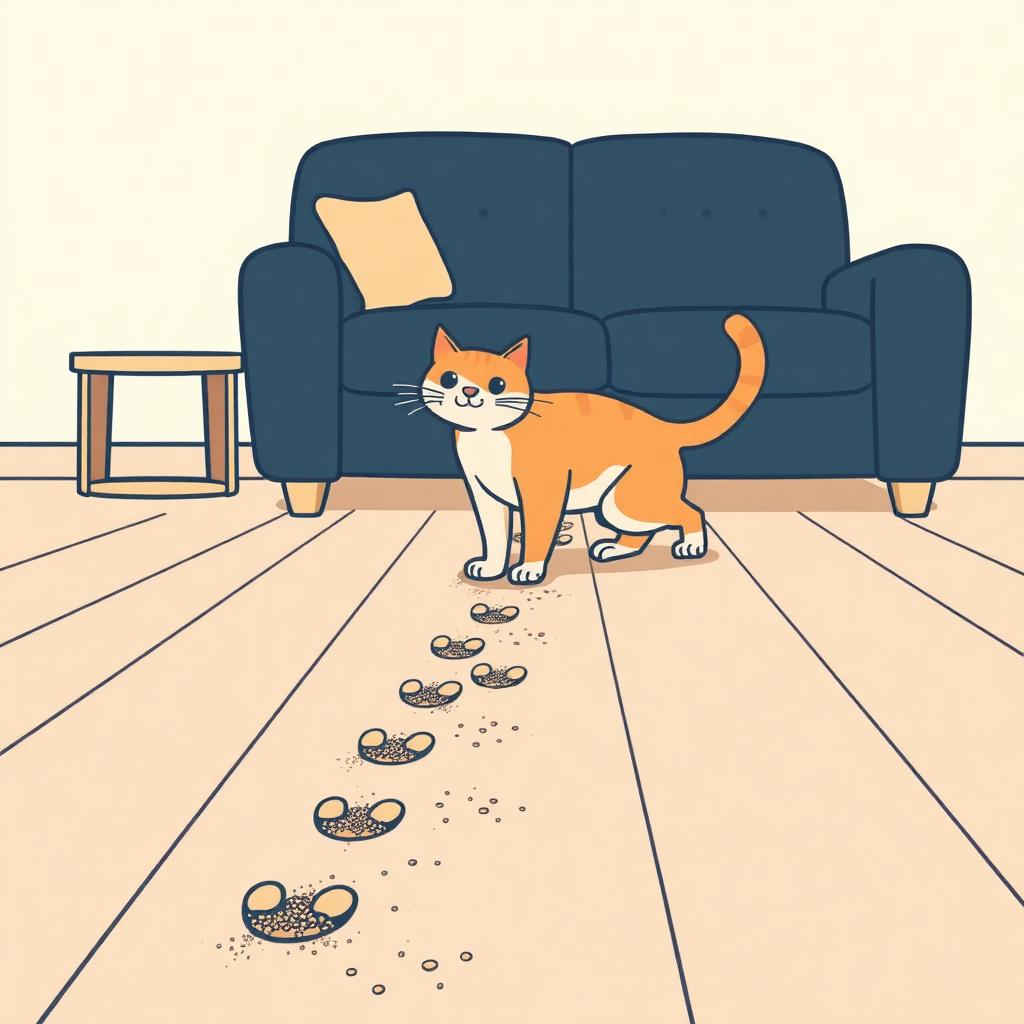
- Your cat sneezes, scratches, or licks paws more after using the litter box
- Dust clouds and strong fragrances may irritate sensitive airways and skin
- Rough granules or chemical additives can aggravate paws, belly skin, and noses
- It is hard to tell whether the problem is the litter, the box, or another allergy trigger
- Choose low-dust, unscented litter with simple ingredients and no deodorizing perfumes
- Use a softer texture that is less abrasive on paws, especially for cats with inflamed skin
- Transition slowly over about a week so you can spot whether symptoms improve or worsen
- Keep the box very clean and dry; a low-dust plant-based option like NEKO may help some sensitive cats
Why the litter box can trigger sneezing, itching, and sore paws
If you are searching for litter for cats allergies, the first job is to separate true allergy problems from plain irritation. Cats react to litter in a few different ways. Fine dust can irritate the nose and upper airways, leading to sneezing after digging or burying waste. Fragrance oils and deodorizing additives can bother both the respiratory tract and the skin around the face. Coarse or sharp litter pieces can also rub on paw pads, especially if your cat already has dry skin, over-grooms, or has inflamed feet. Then there is contact time: cats stand in the box several times a day, and some lie nearby, so repeated exposure matters. The tricky part is that litter-related irritation can look like other issues. A cat with seasonal allergies, flea allergy dermatitis, asthma, ringworm, or a skin infection may seem worse in the box simply because the area is dusty or heavily scented. That is why the best approach is practical and boring, which is usually a good sign. Start by reducing obvious irritants first: dust, perfume, harsh additives, and abrasive texture. If symptoms improve, litter was probably part of the problem. If not, you have ruled out one common trigger and can move on faster.
The biggest culprit is usually dust, not the label on the bag
Many people focus on whether litter is clay, wood, corn, paper, silica, or tofu. Material matters, but dust often matters more. A litter can be marketed as natural or gentle and still release enough fine particles to irritate a sensitive cat. Those particles become airborne when you pour the litter, when the cat digs, and when you scoop. If your cat sneezes right after using the box, that timing is a clue. Dust also settles on fur and paws, which means your cat can inhale it later during grooming. For cats with reactive airways, lower dust is usually the safest starting point. That does not mean perfectly dust-free, because almost no litter is truly zero dust in real life. It means choosing one that creates very little visible cloud when poured and leaves minimal residue around the box. Pellet-style litters often help because larger pieces produce fewer airborne fines, though some cats dislike a chunky feel. Fine-grain litters may feel familiar underfoot but can be worse for noses. Check your own handling too. Dumping a full bag from a height creates a miniature sandstorm. Pour slowly, keep the box in a well-ventilated area, and avoid topping up by shaking the bag aggressively like you are seasoning chips.
Texture matters more than most owners realize
Sensitive skin is not only about ingredients. It is also about friction. Cats with paw inflammation, over-grooming, healing wounds, thin fur on the hocks, or general skin sensitivity can dislike rough litter long before they refuse the box. Signs are subtle at first: hesitant stepping, shaking out paws after exiting, perching on the edge, or trying to finish quickly. Some cats begin to urinate over the side because they do not want to stand fully on the surface. Softer litter usually helps, but soft does not always mean powdery. The goal is a texture that cushions without creating dust. Small, smooth pellets can work well because they are gentler than jagged mineral granules and less likely to wedge between toes. This is one reason some cats with tender paws do better on plant-based pellet litters. Tofu litter, for example, is often smoother underfoot than coarse clay, while still clumping well enough for daily cleaning. NEKO fits honestly into this category if your cat needs a lower-dust, softer-feeling option. That said, preference is personal. Some cats raised on fine clay dislike any pellet at first. When comfort and habit clash, transition slowly and watch the paws. Reduced licking, less hesitation, and calmer box visits tell you more than marketing copy ever will.
Which additives to avoid if your cat is reactive
When a cat has allergy-like symptoms, simple is usually better. The main additives worth avoiding are fragrance, strong deodorizing agents, and any ingredient included mainly to mask odor rather than support hygiene. Scented litter is a common problem. Cats have a far stronger sense of smell than humans, so a scent that seems light to you can be overwhelming at nose level inside a covered box. Some cats react with sneezing. Others just avoid the box because it smells wrong. Deodorizing crystals, perfumed oils, or heavily treated litters can also leave residue on paws and fur. If your cat has chin acne, facial itching, or a habit of rubbing the face after the box, that residue may be contributing. Colorants are another thing many owners would rather skip, not because they always cause issues, but because they offer no benefit to a sensitive cat. The cleaner rule is this: choose unscented litter with a short, understandable ingredient list and no obvious extras. If odor control is poor, solve it through more frequent scooping and full litter changes, not by adding perfume. A healthy litter box should smell neutral because waste is removed quickly, not because a chemical fog is trying to win an argument against ammonia.
How to test a new litter without creating a bigger problem
Changing litter too fast can backfire. Even if the new option is better for allergies, a sudden switch may cause stress or box avoidance, which creates a different kind of emergency. The safer plan is a gradual transition over roughly 5 to 7 days, sometimes longer for picky cats. Start by mixing a small amount of the new litter into the old one. Increase the proportion every day while watching for two things: skin and respiratory symptoms, and bathroom behavior. Improvement often looks boring. Fewer sneezes after digging. Less licking of the paws at night. No fresh redness between toes. More relaxed posture in the box. Worsening is also usually obvious: more scratching, coughing, refusing to dig, stepping out quickly, or choosing the rug instead. If your cat is very sensitive, set up a second box with the new litter instead of mixing, especially in a multi-cat home where one cat may object more than another. Keep all other variables steady during the trial. Do not change cleaning sprays, air fresheners, box location, and food at the same time or you will have no idea what actually helped. Cat troubleshooting is not glamorous, but controlled experiments beat expensive guesswork.
Box hygiene can matter as much as the litter itself
A low-irritant litter will not do much if the box is dirty, damp, or coated with old detergent residue. Urine breaks down into compounds that smell harsh and can irritate sensitive noses. Wet clumps that are left too long also increase contact between paws and waste. Scoop at least once daily, and more often if you have multiple cats sharing boxes. Keep the litter depth consistent so urine can clump before reaching the base; too little litter often means soggy patches and more odor. Wash the box regularly with mild, unscented soap and rinse well. Skip strongly fragranced cleaners and avoid bleach-ammonia confusion entirely by keeping products simple. The style of box matters too. Covered boxes trap odor and dust in a small chamber where your cat has to stand and breathe it in. Some sensitive cats do better with an open box in a calm, ventilated space. Mats can help reduce tracking, but choose one that does not trap damp litter against the paws. If your cat already has skin trouble, check the fur between toes and around the rear end for stuck litter. Even a good product becomes irritating when it clings to damp fur. The less residue on the cat, the less there is to inhale, lick off, or grind into sore skin later.
When the issue may not be the litter at all
Not every sneeze or itch points back to the box. Cats with environmental allergies often react to pollen, mold, dust mites, cleaning products, cigarette smoke, or room sprays. Cats with skin irritation may be dealing with fleas, food reactions, yeast, bacterial infection, ringworm, or pain that leads to over-grooming. Even stress can show up as excessive licking of the belly or legs. The box can still worsen these problems, but it may not be the root cause. A few clues suggest you should look beyond litter quickly. If symptoms happen all over the house, not mainly after box use, broaden the list of suspects. If your cat has coughing, wheezing, hair loss, broken skin, ear debris, scabs around the neck, or sores on the paws, involve your vet sooner rather than later. The same applies if your cat suddenly avoids the box, strains to urinate, or urinates more often. That can signal urinary pain rather than litter preference. The useful mindset is this: litter is one controllable exposure among several. Simplify it because that is easy and often effective. But do not let the search for the perfect litter delay treatment for a medical issue that needs more than a cleaner box and good intentions.
Best litter features for kittens, seniors, and allergy-prone multi-cat homes
Some cats need extra consideration because they spend more time in the box or have less tolerance for irritation. Kittens are curious and tend to investigate everything with their mouths and paws, so low-dust, unscented, simple litters are sensible. Seniors may have arthritis, thinner skin, and less stable footing, which makes softer texture and easy entry into the box important. Cats with chronic respiratory sensitivity often do best when the entire setup is adjusted: open box, good ventilation, no air freshener nearby, and a litter that pours cleanly with minimal airborne particles. Multi-cat homes add another challenge because heavy box traffic increases dust, odor, and moisture. More boxes and more frequent scooping often help more than endlessly changing brands. If one cat is sensitive and another is picky, offer two compatible low-irritant options side by side for a week and record what actually happens. Owners are often surprised. The cat they thought wanted a fine sandy texture may choose the smoother pellet when given a calm trial. This is where a plant-based option can make practical sense. A tofu litter such as NEKO may suit households looking for low dust, an unscented formula, and gentler contact on paws, especially when one cat is clearly reactive. Still, the best litter is the one your cat uses comfortably and consistently, with less sneezing, less licking, and less drama around a basic bodily function.
Common questions
What is the best litter for cats allergies?
For most sensitive cats, the best litter for cats allergies is unscented, low dust, and free of heavy deodorizing additives. Texture matters too. A smoother litter can be easier on irritated paws than coarse granules. Start with the simplest formula you can find, then monitor sneezing, itching, and grooming for a week or two.
Can cat litter cause sneezing and itchy skin?
Yes. Dust can irritate the nose and airways, while fragrance and residue can bother the skin and paws. Some cats react right after digging in the box. Others lick litter dust off their fur later, which keeps the irritation going. If symptoms cluster around litter box use, the litter is worth changing first.
Is unscented litter better for cats with allergies?
Usually, yes. Unscented litter removes one common irritant: perfume. Cats smell everything at close range, so scented litter can be far stronger to them than it seems to you. If odor is a problem, better scooping and more frequent litter changes are safer solutions than adding fragrance.
How do I switch litter for a cat with sensitive paws?
Change gradually over about 5 to 7 days, or set up a second box with the new litter. Watch for hesitation, paw shaking, less digging, or box avoidance. Improvement looks like calmer box use and less licking of the paws afterward. If your cat refuses the new texture, slow the transition down.
Are pellet litters better for cats with skin irritation?
Sometimes. Pellets often create less dust than very fine litters, and smoother pellets can be gentler on sore paws than sharp granules. But not every cat likes the feel. The right answer is the litter your cat will use reliably without more sneezing, scratching, or paw discomfort.
One switch. Four problems, gone.
Start a NEKO subscription and get your first 7L bag for 40% off. Free shipping, delivered every 4–6 weeks. Skip, pause, or cancel anytime.