Common Home Triggers That Can Worsen Feline Asthma
This article explains how litter dust, fragrances, cleaners, and air quality can aggravate breathing problems in sensitive cats.
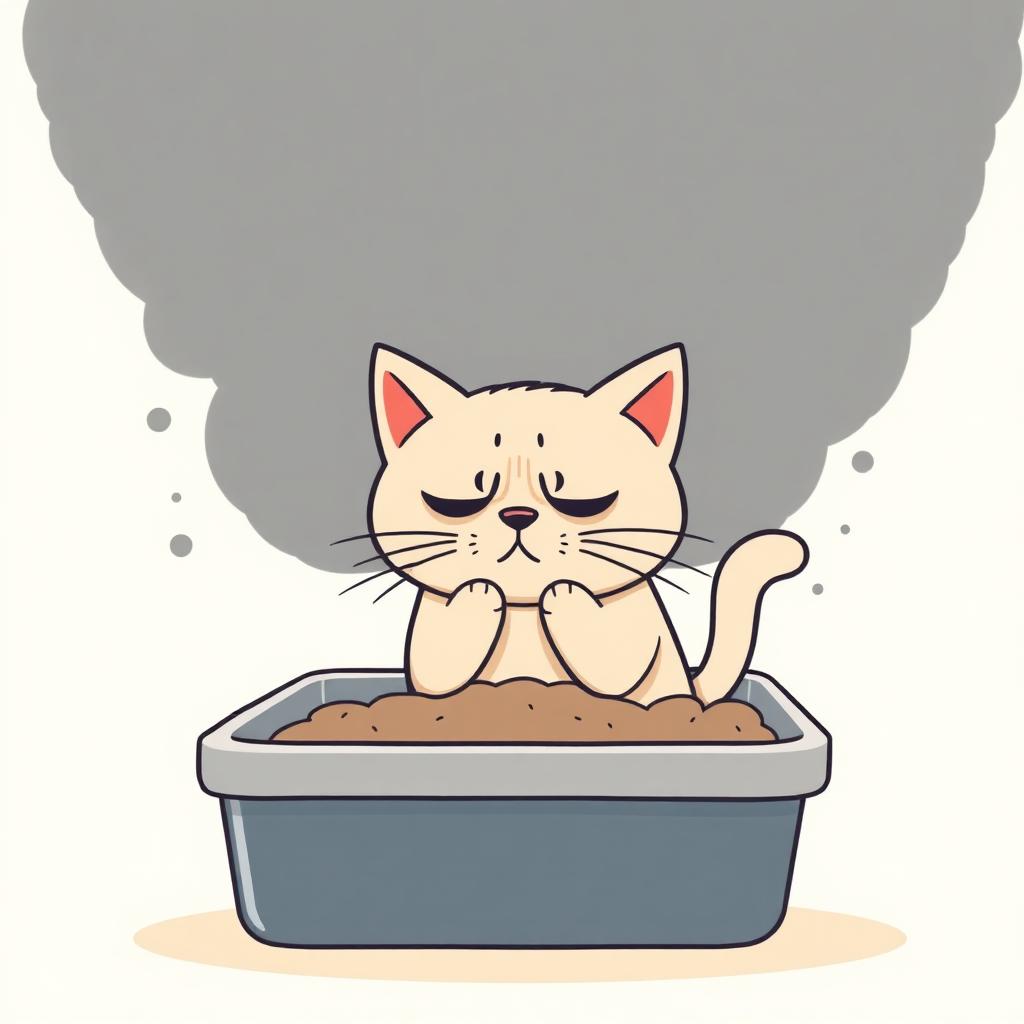
- Your cat coughs, wheezes, or crouches low after exposure to dust, scents, or poor air
- Asthma flare-ups seem random because several small home irritants can stack together
- Common products like litter, sprays, candles, and cleaners can aggravate sensitive airways
- You want practical changes that reduce triggers without turning your home into a sterile lab
- Switch to a low-dust litter and pour it slowly to avoid airborne particles around the box
- Remove scented sprays, candles, plug-ins, and heavily fragranced cleaners from your cat’s spaces
- Improve ventilation, vacuum with a good filter, and keep smoke completely out of the home
- If litter dust is a problem, a low-tracking, low-dust plant-based option like NEKO can help reduce one common irritant
Why home exposure matters for cats with asthma
Many feline asthma triggers live inside the house, not outside it. That catches people off guard. A cat can spend nearly all day indoors and still inhale enough irritation to inflame sensitive airways. Asthma is essentially a problem of overreactive lower airways. When a trigger shows up, the bronchial tubes can become inflamed, tighten, and fill with mucus. The result is coughing, wheezing, open-mouth breathing, or that classic low, extended-neck posture that looks like the cat is trying to hack up a hairball but never produces one. Home exposures matter because they are frequent, close-range, and easy to underestimate. A dusty litter box gets used several times a day. A plug-in fragrance releases chemicals around the clock. A strong cleaner leaves residue and vapor on floors where cats spend time nose-first. Even small amounts can add up when exposure is constant. That is why some cats improve not from one dramatic change, but from removing several moderate irritants at once. Medication remains the foundation for many asthmatic cats, but environment control is often the difference between a stable cat and one that keeps flaring.
Litter dust is a common but overlooked airway irritant
Cat litter is one of the most direct inhalation exposures in the home. Your cat stands inches above it, paws through it, and then returns to the box multiple times a day. If the litter releases fine particles, those particles do not need to be visible to be a problem. Dust from some clay-based litters and broken litter granules can become airborne when you pour fresh litter, when your cat digs, and when waste is scooped. In a cat with asthma, that can irritate already reactive airways. The issue is not simply whether a bag is marketed as “99% dust-free.” Real-world dust depends on how the litter is handled, how dry the room is, how much the box is disturbed, and whether the litter tracks and breaks down over time. Practical steps matter. Pour litter slowly, ideally when the cat is not nearby. Avoid topping up aggressively from shoulder height like you are mixing concrete. Choose a low-dust litter with minimal added fragrance. Keep the box in a well-ventilated area, but not in a drafty utility closet full of detergent fumes. If your cat seems worse after box use or you notice a visible dust cloud when scooping, that is a useful clue. A low-dust plant-based litter such as NEKO may reduce one common trigger, especially for cats sensitive to powdery textures and perfume-heavy formulas.
Fragrances can irritate airways even when they smell “clean” to people
A home that smells pleasant to humans can be rough on an asthmatic cat. Scented candles, wax melts, incense, plug-in air fresheners, reed diffusers, perfume sprays, carpet powders, and heavily fragranced laundry products all release airborne compounds. The exact response varies by cat, but the pattern is familiar: increased coughing after a room is sprayed, after a candle burns for an evening, or after bedding comes back from the wash smelling like a tropical storm of synthetic flowers. Cats have small bodies, fast respiratory rates, and a habit of spending time in enclosed rooms and on soft surfaces that hold scent residues. They also groom those residues off fur and paws. For cats with sensitive lungs, “fresh linen” is not medical therapy. It is often the opposite. The simplest approach is subtraction. Remove plug-ins entirely. Stop using aerosol deodorizers. Skip essential oil diffusers too; natural does not mean airway-friendly. Wash cat bedding with unscented detergent and avoid scent beads. If you want a room to smell less like cat, the better fix is mechanical: scoop more often, improve ventilation, wash textiles, and use a litter that controls odor without perfume. Asthmatic cats usually do better with less fragrance, not fancier fragrance.
Cleaning products can trigger flares through fumes, residue, and mixing mistakes
Many household cleaners irritate the respiratory tract because they release vapors during use and leave residues afterward. Bleach, ammonia-based products, strong degreasers, bathroom sprays, oven cleaners, and disinfectants with heavy fragrance are common culprits. Some of the risk is obvious, like coughing during cleaning. Some is delayed, with irritation appearing hours later when a cat walks across a treated floor, grooms, and continues breathing in a room that still smells “freshly cleaned.” One especially important point: never mix bleach with ammonia or acidic cleaners. That can create highly irritating gases, and it is dangerous for every species in the home. For routine cleaning around asthmatic cats, the goal is simple, unscented, and well-rinsed. Use the mildest effective product for the job. Keep the cat out of the room while cleaning and until surfaces are fully dry and odors have dissipated. Open windows if outdoor air quality is decent, or run exhaust fans. Wash litter boxes with unscented soap and water instead of perfumed cleaners. If a cleaner leaves a strong smell, assume your cat notices it more than you do. The best cleaning routine for an asthmatic cat is boring, consistent, and low-odor. That is usually a compliment.
Smoke, cooking fumes, and poor air quality raise the baseline level of irritation
If litter dust and fragrance are the obvious triggers, air quality is the background condition that can make everything worse. Tobacco smoke is a major problem. So is vaping aerosol. Even if smoking happens in another room or near an open window, residue and particles travel and settle on surfaces. Fireplaces, wood stoves, burnt food, frying oil smoke, and heavy cooking fumes can also irritate feline airways. Then there is the less dramatic but very common issue of stale indoor air. Homes with shut windows, dusty vents, and clogged HVAC filters can trap particles that would otherwise be diluted or removed. This does not mean you need hospital-grade air handling. It means the basics matter. Change HVAC filters on schedule. Vacuum with a machine that traps fine particles rather than blowing them back out. Damp-dust surfaces instead of just stirring dust around. Consider a HEPA air purifier in the rooms where your cat spends the most time, especially the bedroom or living room. During wildfire events, renovations next door, or bad outdoor pollution days, keep windows closed and focus on filtration instead. Asthma management is often about lowering the total inhaled burden. Remove enough background irritation, and your cat may have more breathing room when life happens.
Mold, dust, and renovation debris can hide in places cats love
Some triggers are less obvious because they build gradually or sit where humans do not look often. Household dust is not just “dirt.” It can contain fabric fibers, skin flakes, pollen tracked in from outside, litter fragments, and tiny debris from building materials. Cats collect the front-row seats: under beds, behind sofas, on top of wardrobes, near warm vents, and in window perches. Mold is another issue, especially in bathrooms, basements, laundry areas, and any room with repeated condensation or leaks. You may not see much, but a damp cabinet, a wet subfloor under the litter mat, or a musty closet can still contribute to poor air quality. Renovation work is a separate category of chaos. Sawdust, drywall dust, paint fumes, adhesives, and disturbed old dust can provoke serious irritation in sensitive cats. If work is being done, keep your cat in a clean, closed room far from the activity, with an air purifier if possible, and avoid introducing them to freshly painted or recently glued spaces too soon. It is also worth checking whether cat trees, cardboard scratchers, or crumbly bedding are shedding visible particles. The practical test is simple: if an item creates dust when shaken, scraped, or washed, an asthmatic cat may be better off without it.
How to reduce triggers without changing everything at once
The most workable asthma-proofing plan is usually gradual and systematic. If you change ten things in one weekend, you may end up exhausted and still not know what helped. Start with the highest-yield exposures: litter dust, fragrances, smoke, and cleaning fumes. Pick one category, make a change, and watch your cat for one to two weeks unless your veterinarian advises a faster intervention. Keep notes on cough frequency, time of day, and what happened beforehand. Did coughing follow litter box use, vacuuming, guests wearing strong perfume, or a deep-cleaning session in the bathroom. Those details are useful. Place litter boxes away from laundry appliances, cleaning supplies, and poorly ventilated closets. Scoop daily so odor does not tempt you into using perfume-heavy products. Wash bedding in unscented detergent. Use a vacuum and purifier consistently rather than in bursts of guilt-driven heroism every third Sunday. If you are trialing a new litter, transition gradually if your cat is picky, but do not continue a product that clearly generates dust around their face. The target is not perfection. It is fewer airway insults, more often. Small changes compound. A less dusty box, cleaner air, and fewer scented products can lower the overall inflammatory load enough to make medications work better and flare-ups happen less often.
When coughing is more than a trigger problem and needs veterinary help
Environmental control helps, but it does not replace a proper diagnosis or treatment plan. Coughing in cats is never something to casually label a hairball issue for months on end. Asthma is one possibility, but heart disease, infections, parasites, foreign material, and other lung conditions can look similar. Seek veterinary care promptly if your cat is breathing with effort, breathing faster than usual at rest, holding the neck extended, using the belly to breathe, wheezing more often, or showing blue-tinged gums. Open-mouth breathing in a cat is an emergency. Even in stable cases, a veterinarian may recommend imaging, airway-focused medications, or a rescue plan for flare-ups. This matters because a cat can have both true asthma and preventable home triggers. One does not cancel out the other. If your cat improves after removing dust and scent exposures, that is useful information, not proof that medical evaluation is unnecessary. Bring your observations to the appointment. Tell the vet whether symptoms worsen after box use, cleaning days, or smoke exposure. Practical history often points to useful adjustments. Good asthma care is a partnership between medical treatment and a lower-irritant home. Neither side should have to do all the work.
Common questions
What are the most common feline asthma triggers in the home?
Common feline asthma triggers include litter dust, scented candles, plug-in air fresheners, perfume sprays, smoke, vaping aerosol, strong cleaning products, mold, and general household dust. For many cats, it is not one single trigger but the total load of irritants that matters most.
Can cat litter really make asthma worse?
Yes. Dusty litter can irritate sensitive airways because cats inhale particles at very close range while digging and covering waste. If your cat coughs after using the box or you see dust when pouring or scooping, try a lower-dust, unscented litter and keep the box in a better-ventilated area.
Are scented cleaners safe for cats with asthma?
They are often not the best choice. The combination of fragrance, vapor, and residue can aggravate an asthmatic cat’s lungs. Unscented, simpler products are usually safer, especially if you keep the cat out of the room until surfaces are dry and any odor has cleared.
Should I use an air purifier for a cat with asthma?
It can help, especially in rooms where your cat spends the most time. A purifier with HEPA filtration may reduce airborne dust and other particles. It is not a replacement for medication or trigger control, but it can lower the background level of irritation.
When should I worry that my cat’s coughing is an emergency?
Get urgent veterinary care if your cat is open-mouth breathing, struggling to inhale, breathing very fast at rest, or showing blue or gray gums. A cat crouched low with the neck extended and obvious effort to breathe also needs prompt attention. Do not wait to see if it passes.
One switch. Four problems, gone.
Start a NEKO subscription and get your first 7L bag for 40% off. Free shipping, delivered every 4–6 weeks. Skip, pause, or cancel anytime.