Cat Litter Allergy Symptoms in Cats: What Pet Parents Should Notice
Recognize skin, respiratory, and paw-related reactions that may suggest your cat is sensitive to their litter.
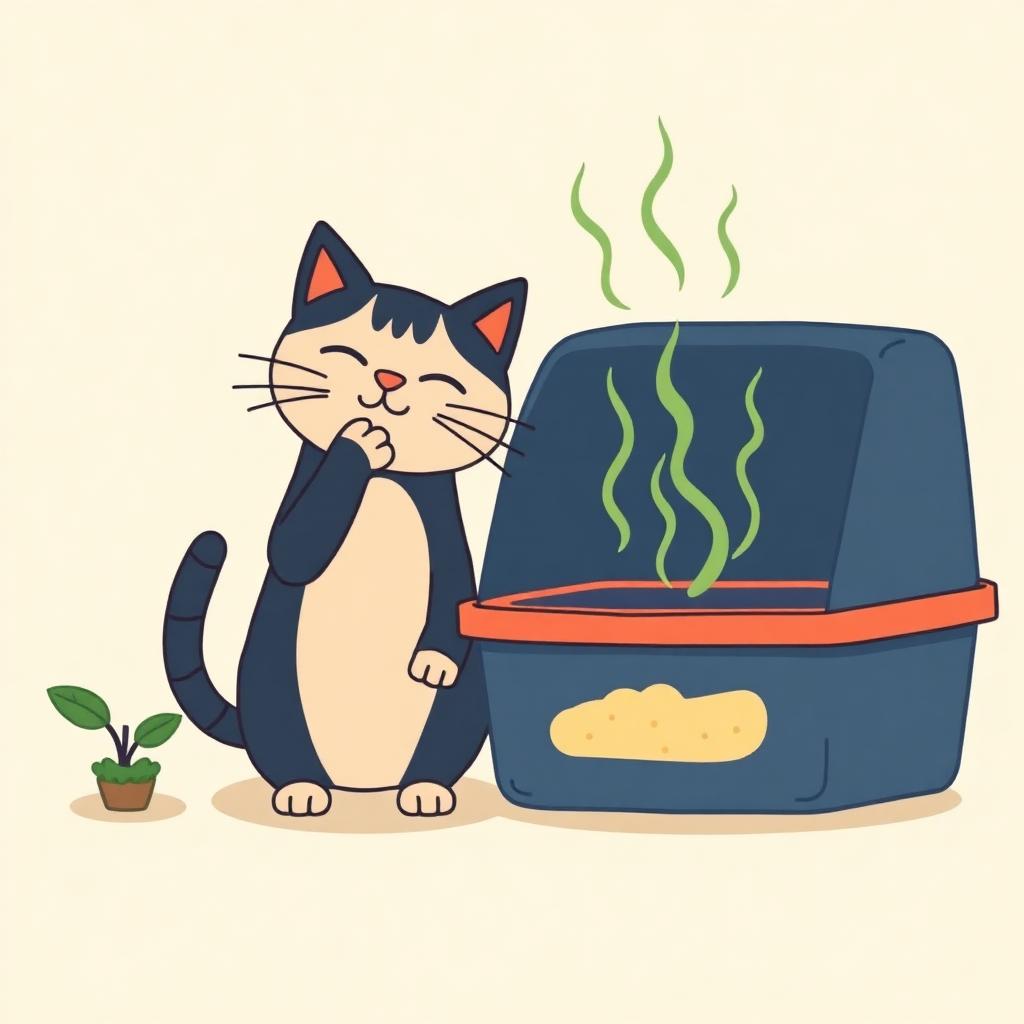
- Your cat starts sneezing, scratching, or licking paws more after using the box
- Red skin, watery eyes, or coughing can look like a random flare-up, not a litter issue
- Dust, fragrance, and certain litter materials can irritate sensitive cats quickly
- It is hard to tell the difference between litter sensitivity, infection, and seasonal allergies
- Track when symptoms appear, especially right after digging, covering, or leaving the litter box
- Switch to an unscented, low-dust litter and avoid rapid changes in multiple products at once
- Clean the box more often and rinse it thoroughly so urine ammonia and residue do not add irritation
- If your cat improves after a litter change, a gentler option such as NEKO may be worth trying
What cat owners usually notice first
Cat litter allergy symptoms often show up in ordinary moments, which is why they are easy to miss. A cat exits the box and starts shaking out a paw. Another sneezes during digging. Some overgroom their belly later in the day, and the connection to the litter box never gets made. The most common early signs are sneezing, watery eyes, coughing, paw licking, face rubbing, and itchier skin around the belly, groin, tail base, or between the toes. You may also notice redness on paw pads, a cat that hesitates before stepping into the box, or one that scratches at the floor nearby instead of digging properly. None of these signs proves a true allergy on its own. Irritation from dust, strong fragrance, ammonia buildup, or rough granules can cause similar reactions. That said, timing matters. If symptoms consistently appear during or shortly after litter box use, the litter deserves a closer look. Cats with asthma, environmental allergies, or already-sensitive skin tend to react faster and more obviously. The key is not to guess from one sneeze or one itchy day, but to watch for a repeat pattern linked to the box.
Allergy or irritation: why the difference matters
People use the word allergy for almost any bad reaction, but there are two different problems here. A true allergy involves the immune system. The cat reacts to a substance as if it is a threat, and that can lead to itching, inflamed skin, or respiratory signs. Irritation is simpler and more common. Fine dust can bother the nose and airways. Fragrance can sting sensitive tissues. Dirty litter boxes produce ammonia from urine, which can irritate eyes and lungs even if the litter itself is not the culprit. A rough-textured litter can also aggravate sore paws. From a cat owner's perspective, the first response is similar either way: remove likely triggers and see what changes. The difference matters because true allergies may persist with even small exposure, while irritation often improves quickly when dust, scent, or box hygiene improves. This is also why a dramatic product label is not the same as a solution. “Natural” does not guarantee non-irritating, and “clumping” or “odor control” often means additives that some cats dislike. What helps most is a litter that is unscented, low in airborne dust, and simple in composition, paired with a clean box and careful observation.
Skin and coat reactions linked to litter
Skin signs are some of the most convincing clues because they often appear where litter touches the body. Check the paws first. A sensitive cat may lick the toes after using the box, hold up a paw, or leave the box and immediately sit down to clean between the pads. Look for pink skin, small scabs, flaky areas, or worn fur from repeated licking. Some cats react on the belly or inner thighs after squatting in the box, especially if the litter is dusty or scented and clings to fur. You might also notice head shaking or chin rubbing if dust settles on the face during digging. The challenge is that these signs overlap with fleas, food allergy, ringworm, yeast, mites, and stress overgrooming. That means litter should be on the suspect list, not the only suspect. A useful home check is distribution: if the irritation seems strongest on contact areas such as paws, lower legs, belly, and groin, litter becomes more plausible. Also pay attention to the texture of the granules. Sharp or coarse particles can worsen existing skin inflammation even when they are not the original cause. If your cat has hair loss, raw skin, swelling, or obvious pain, skip the detective work and call your vet. Open, inflamed skin can spiral quickly.
Respiratory signs are often triggered by dust and scent
When cat owners think of litter problems, they usually picture paws. The airways deserve equal attention. Dusty litter can become airborne when a cat digs, covers waste, or jumps out of the box. Fragranced litters can add another layer of irritation. Sensitive cats may sneeze repeatedly around box time, breathe noisily, develop watery eyes, or cough after digging. Cats with asthma are a special case. They may show subtle signs first: crouching low with the neck extended, faster breathing after litter box use, or short coughing spells that look like trying to clear a hairball. Because cat asthma and bronchitis can worsen over time, repeated respiratory episodes should never be brushed off as “just dusty litter” without veterinary input. The box setup matters too. A covered litter box can trap dust and scent, creating a concentrated plume right where the cat puts its face. Poorly ventilated laundry rooms and bathrooms can do the same. If respiratory signs are the main issue, an unscented low-dust litter is the most practical first change, along with an open box in a well-ventilated area. If your cat ever breathes with effort, pants, or seems distressed, that is urgent. Allergies can wait a day. Breathing trouble should not.
Common litter triggers that set sensitive cats off
Several features tend to cause trouble more often than owners expect. Fragrance is high on the list. A perfume added to make the box smell cleaner to humans can be overwhelming for a cat, whose nose is much better than yours and much less forgiving. Dust is another major trigger, especially in clay-based litters or any product that breaks down into fine particles during pouring and scooping. Deodorizers, odor-control additives, and certain binding agents can also irritate some cats. Then there is plain old box hygiene. Even a well-tolerated litter becomes irritating when urine accumulates and ammonia levels rise. The material itself matters too. Some cats do poorly with coarse crystals or granules that stick to damp paws and fur. Kittens, seniors, and cats with skin disease or asthma usually have less margin for error. The practical goal is not to find a magical “hypoallergenic” label. It is to reduce the obvious irritants first. Unscented. Low dust. Minimal additives. Soft enough underfoot to encourage normal use. A plant-based option can make sense when it is simple and gentle, not because plants are inherently saintly. NEKO fits that discussion honestly if you want a tofu litter that is unscented and low dust, but the principle matters more than the brand: fewer triggers, fewer reactions.
How to test whether the litter is the problem
The cleanest way to figure this out is a controlled change, not a shopping spree. Start by keeping everything else as steady as possible for one to two weeks. Do not change food, detergents, floor cleaners, and air fresheners at the same time unless you enjoy sabotaging your own detective work. Scoop at least daily, wash the box thoroughly, and switch to one unscented low-dust litter. If your cat is picky, transition gradually over about five to seven days by mixing increasing amounts of the new litter into the old. Track symptoms in a simple note on your phone: sneezing after box use, paw licking frequency, coughing, eye discharge, grooming hot spots, and whether the cat avoids the box. Patterns matter more than perfection. If signs improve clearly after the change, litter sensitivity or irritation becomes much more likely. If there is no change, the answer may lie elsewhere or require veterinary testing and treatment. Avoid trying three new litters in the same week. That only creates noise. Also, do not switch to a heavily fragranced “odor control” product as an experiment. That is not an experiment. That is a dare. The point is to reduce likely triggers, then watch whether the cat's body gets quieter.
When the problem is not the litter at all
A surprising number of cats blamed on litter actually have another issue. Flea allergy can cause intense itching around the back half of the body. Food allergy may show up as chronic ear problems, overgrooming, or year-round itch. Environmental allergies can flare seasonally and look worse around box time simply because the cat stirs up dust while digging. Infections complicate the picture too. A yeast or bacterial skin infection can make paws and belly extremely itchy. Ringworm can mimic many things and spreads easily. Urinary discomfort adds another twist. A cat with cystitis or a urinary tract problem may enter the box often, lick after urinating, or seem frantic around the box, leading owners to suspect the litter. If your cat strains to urinate, produces little urine, cries in the box, or urinates repeatedly, that is not a wait-and-see situation. Male cats are especially at risk of dangerous obstruction. Painful arthritis also changes litter behavior; a cat may avoid the box or stand awkwardly because stepping into a high-sided box hurts, not because the litter is offensive. This is why symptom timing, body location, and overall behavior all matter. The litter can be guilty, but it should not get convicted without evidence.
Advanced ways to make the litter box easier on sensitive cats
Once you have addressed the litter itself, box setup can make a real difference. Choose an open box if your cat has respiratory signs, since airflow helps disperse dust rather than trapping it around the face. Put the box in a low-traffic, well-ventilated area away from strong cleaning products and room sprays. If you use a liner, remove it for a week or two and see whether behavior changes; some cats dislike the texture or noise. Keep litter depth comfortable rather than excessive. Cats need enough to dig, but a deep pit of dust is not a spa treatment. Wash boxes with mild unscented soap and rinse thoroughly. Residual cleaners can irritate skin and airways just as much as the litter can. For cats with sore paws, softer granules often help, and more frequent scooping reduces contact with damp, irritating material. Multi-cat homes need enough boxes to prevent a cat from being forced to use a dirty one. If a tofu-based litter suits your cat, a low-dust option such as NEKO can be a reasonable long-term choice, especially for homes trying to minimize fragrance and airborne particles. The bigger lesson is simple: sensitive cats do better when the box environment is boring. Boring is underrated. Boring means fewer reactions.
Common questions
What are the most common cat litter allergy symptoms?
The most common cat litter allergy symptoms are sneezing, watery eyes, coughing, paw licking, red skin on the feet or belly, and increased scratching after litter box use. Some cats also avoid the box or clean themselves intensely right after using it. These signs can also come from irritation, not a true allergy, so timing and repeat patterns matter.
Can cat litter make my cat sneeze?
Yes. Dust and fragrance are common triggers for sneezing around the litter box. A cat may sneeze while digging, right after covering waste, or after stepping out of a covered box where particles have built up. If sneezing is frequent, switch to an unscented low-dust litter and make sure the box is kept clean and well ventilated.
How do I know if my cat is allergic to litter or just irritated by it?
At home, the best clue is whether signs reliably appear during or soon after litter box use and improve after you switch to a gentler litter. True allergy and irritation can look similar, but irritation from dust, scent, or ammonia often improves quickly once the trigger is removed. If signs persist, your vet may need to rule out fleas, skin infection, asthma, or food allergy.
How long does it take for symptoms to improve after changing litter?
Mild irritation may improve within a few days once dust, fragrance, or dirty-litter exposure is reduced. Skin issues from repeated licking or scratching can take longer because the skin needs time to settle. If there is no noticeable improvement after a week or two, or if symptoms worsen, contact your vet for a closer workup.
Should I use scented or unscented litter for a sensitive cat?
Unscented is usually the safer choice. Added fragrance may smell cleaner to people, but many cats find it irritating or simply unpleasant. If your cat has respiratory signs, watery eyes, or avoids the box, removing scent is one of the first and most practical changes to make.
When should I call the vet about litter-related symptoms?
Call your vet promptly if your cat has labored breathing, repeated coughing, raw skin, swelling, severe paw pain, or sudden box avoidance. Also call if your cat strains to urinate, cries in the box, or passes only small amounts of urine. Those signs may point to a urinary emergency or another medical problem rather than a simple litter sensitivity.
One switch. Four problems, gone.
Start a NEKO subscription and get your first 7L bag for 40% off. Free shipping, delivered every 4–6 weeks. Skip, pause, or cancel anytime.