Why Is My Cat Visiting the Litter Box More Often?
Explore common causes of frequent litter box trips, including UTIs, stress, crystals, and other conditions that need attention.
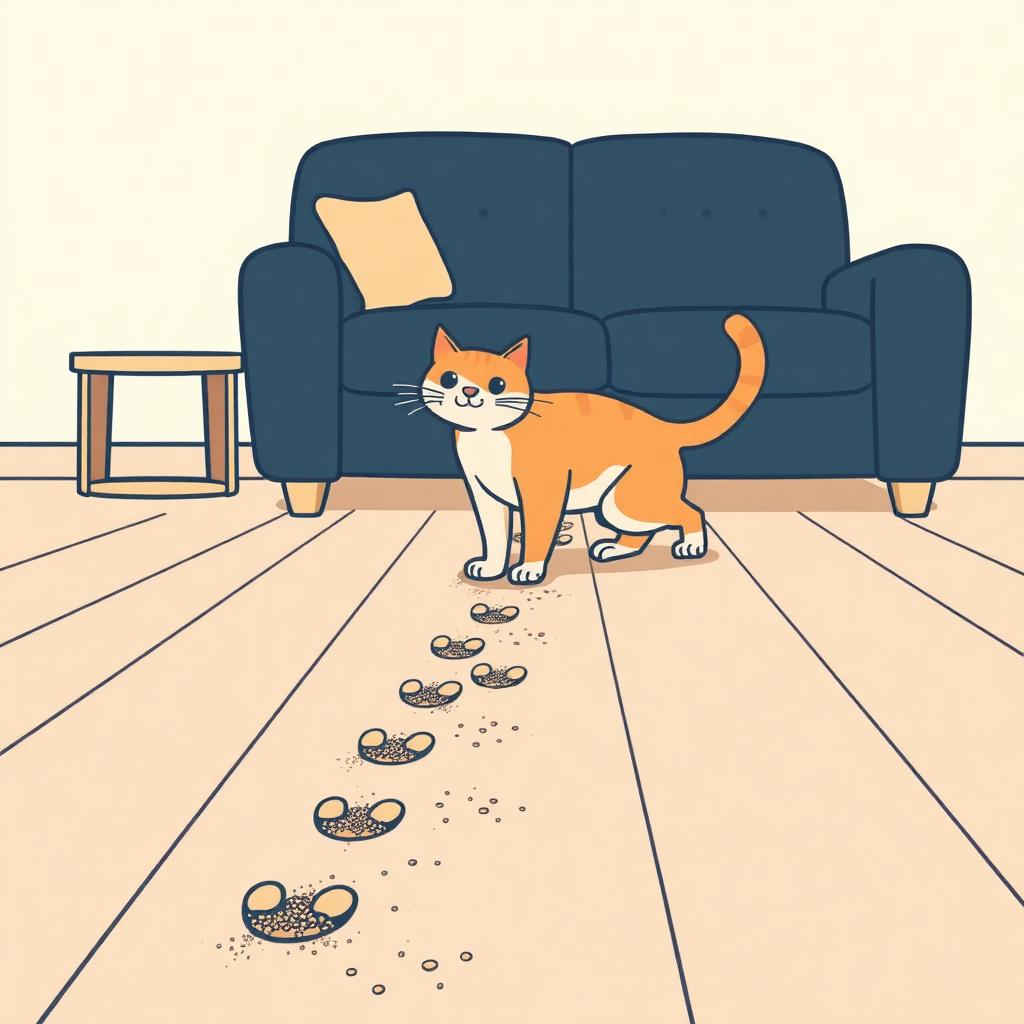
- Your cat is making repeated litter box trips, sometimes with only a few drops.
- You may see straining, crying, licking, or accidents outside the box.
- The cause can range from stress to infection, crystals, inflammation, or diabetes.
- In some cats, especially males, urinary blockage can become an emergency fast.
- Watch closely for straining, blood, tiny clumps, or no urine at all, then call your vet promptly.
- Increase water intake with wet food, extra bowls, or a fountain if your cat will use one.
- Keep the litter box clean, quiet, and easy to access so you can spot changes early.
- A low-dust litter with clear clumping, such as NEKO, can make urine output easier to monitor, but it does not treat the underlying cause.
Frequent litter box trips usually mean one of two things
Cat frequent urination can mean your cat is producing more urine than normal, or it can mean they feel the urge to urinate often but pass only small amounts. Those are not the same problem. A cat with larger, heavier clumps may be drinking and peeing more because of diabetes, kidney disease, or hyperthyroidism. A cat making many short trips with tiny clumps, straining, or lingering in the box may have bladder inflammation, a urinary tract infection, crystals, stones, or a blockage. The details matter. Count how often your cat goes, how long they stay, whether they posture repeatedly, and whether the litter shows normal clumps or barely anything at all. Listen for crying. Check for urine outside the box, excessive genital licking, or blood-tinged spots. If you have more than one cat, this gets trickier, because the wrong cat often gets blamed. Separate boxes in different areas and, if possible, observe each cat directly for a day or two. The main job at home is not to guess the diagnosis. It is to figure out whether your cat is actually producing urine and whether the change looks urgent.
The warning signs that should push you to a vet today
Some urinary problems can wait a day for an appointment. Others should not. If your cat is straining and producing little to no urine, especially if they are a male cat, treat it as urgent. Male cats have a narrower urethra, so mucus plugs, crystals, or severe inflammation can block urine flow. A blocked cat may squat repeatedly, cry, pace, vomit, hide, or become lethargic. Their belly can become painful and tense. This is not a watch-and-wait situation. Urine backs up, the bladder overdistends, and toxins build in the bloodstream. A complete blockage can become life-threatening quickly. Female cats can also have serious urinary disease, but obstruction is less common. Blood in the urine, obvious pain, fever, collapse, or refusal to eat also deserve prompt care. If your cat is still passing urine but is uncomfortable, call your vet the same day and describe exactly what you see: frequent attempts, clump size, blood, appetite, and energy level. Owners often say, “He keeps going in and out of the box.” That is useful, but “six trips in one hour, mostly a few drops, with licking afterward” is much more useful.
Stress and feline idiopathic cystitis are common culprits
One of the most common reasons for sudden urinary frequency, especially in younger to middle-aged cats, is feline idiopathic cystitis, often shortened to FIC. “Idiopathic” means there is no single infection or stone you can point to. The bladder becomes inflamed, and stress frequently plays a major role. A house move, new cat, new baby, construction noise, schedule change, neighborhood cats outside the window, or even a dirty litter box can be enough for some cats. The bladder lining becomes irritated, the urine feels painful to pass, and the cat starts making frequent trips. Signs can look dramatic: straining, blood, urinating on cool surfaces like tubs or tile, hiding, or licking the genital area. Because FIC can look almost identical to a true blockage or infection, a vet exam matters. Treatment often focuses on pain control, hydration, reducing stress, and improving the environment rather than giving antibiotics automatically. At home, the basics are boring but effective: predictable routine, enough resources, separate litter boxes, hiding spots, vertical space, and less conflict. Cats are masters at acting fine while running a tiny internal civil war. The bladder often reports the score first.
UTIs, crystals, and stones can look similar from the outside
Cat owners often assume frequent urination means a urinary tract infection. Sometimes it does. But compared with dogs, uncomplicated bacterial UTIs are less common in otherwise healthy adult cats. They are seen more often in older cats or cats with other diseases such as diabetes or kidney problems. Crystals and bladder stones are another possibility. Certain minerals can form crystals in urine, and those crystals may irritate the bladder or contribute to plugs and stones. The cat then strains, urinates small amounts, and may have blood in the urine. From your point of view at home, FIC, infection, crystals, and stones can all look frustratingly alike. That is why the workup matters. A vet may want a urine sample to check concentration, blood, crystals, bacteria, glucose, and pH, and sometimes imaging if stones are suspected. This is also why leftover antibiotics from a previous pet are a bad idea. If the cause is inflammation without infection, antibiotics will not fix it. If crystals or stones are involved, the plan may include diet changes, pain relief, and close monitoring. The goal is not just to stop the trips to the box. It is to stop the bladder from being irritated in the first place.
When frequent urination means bigger clumps, not more discomfort
Sometimes the pattern is different: your cat seems comfortable, the box has larger clumps than usual, and the water bowl empties faster. That points toward increased urine volume rather than repeated painful attempts. In that case, think broader than the bladder. Diabetes mellitus can cause increased thirst and urination because excess glucose spills into the urine and pulls water with it. Kidney disease can reduce the kidneys’ ability to concentrate urine, so cats make more dilute urine and drink more to compensate. Hyperthyroidism can also increase thirst and urination, often along with weight loss, appetite changes, and restlessness. These problems usually do not cause dramatic straining the way lower urinary tract disease does, but they still need veterinary attention. A useful home check is whether your cat is producing full clumps each time or just tiny ones. Also watch for weight loss, increased appetite, poor coat, vomiting, or changes in activity. Bring that information to the appointment. If you use a litter that forms distinct clumps, it is easier to notice whether the total daily volume is changing. That can help your vet decide whether they are chasing a bladder problem or a body-wide illness.
What you can do at home before the appointment
First, do not punish accidents or repeated box visits. A cat with urinary discomfort is not being difficult. They are trying to solve a painful problem with the tools available, which are limited and involve your bathmat. Second, make the litter box setup as easy as possible. Scoop at least daily, keep boxes in quiet low-traffic areas, and provide enough boxes for the number of cats in the home, typically one per cat plus one extra. Avoid sudden litter changes during an active urinary episode unless the current litter is strongly scented or clearly aversive. Many cats prefer soft, unscented litter. A clean, low-dust clumping litter can also help you monitor the size and number of urine clumps more accurately; that is one honest advantage of products like NEKO. Third, increase access to water. Offer wet food if your vet has not told you otherwise, place multiple water bowls around the home, and refresh them often. Some cats drink more from wide bowls that do not press on the whiskers. Finally, collect details for the vet: when it started, how often it happens, whether urine volume is normal, any blood, any vomiting, and any recent household stressors.
How vets figure out which urinary problem your cat has
A good urinary workup starts with the basics: history, physical exam, and a urine sample. The vet wants to know whether your cat is making normal urine, tiny amounts, or none; whether there is blood; and whether your cat seems painful. On exam, they may feel the bladder. A large, firm bladder in a distressed cat raises concern for obstruction. Urinalysis helps sort out concentration, inflammation, blood, crystals, glucose, and signs that suggest infection. If bacteria are suspected, a culture may be recommended rather than guessing. Bloodwork becomes more important if your cat is older, drinking more, losing weight, or acting sick, because kidney disease, diabetes, and thyroid disease can all shift the picture. X-rays or ultrasound may be used to look for stones, a thickened bladder wall, or other structural problems. Owners sometimes worry this means the vet is overcomplicating a “simple peeing issue.” Usually, it means they are trying not to miss the wrong category of disease. Urinary signs overlap heavily. The treatment for stress cystitis is different from the treatment for stones, and both are different from the treatment for diabetes. Getting the category right saves time, discomfort, and often repeat visits.
Prevention depends on the cause, but hydration and environment help most cats
Once the immediate problem is addressed, prevention becomes the real project. For cats prone to stress-related urinary flares, reduce environmental pressure. That means enough litter boxes, separate feeding stations if cats compete, safe hiding spaces, climbing options, and predictable routines. If outside cats trigger tension, block the visual access that sets off territorial drama. For cats with crystal or stone issues, your vet may recommend a specific urinary diet designed to change urine chemistry and increase water intake. Stick to the plan carefully, because random treats and food swaps can undo the point. For cats with recurring urinary signs, hydration matters across the board. Wet food often helps. So does making water easy to find in several locations. Keep watching the box, even after things seem better. Changes in clump size, frequency, posture, or blood often show up before your cat acts overtly ill. The box is a health monitor disguised as a bathroom. Use it. A litter that clumps clearly and stays low in dust can make those changes easier to see and may be more comfortable for some sensitive cats, but no litter can replace diagnosis when symptoms return. Repeated urinary episodes are common in cats. Repeated guessing should not be.
Common questions
Is cat frequent urination always an emergency?
No, but it can become one fast. If your cat is making repeated trips and passing normal amounts of urine, call your vet soon. If your cat is straining with little or no urine, crying, vomiting, or acting lethargic, seek urgent care right away. Male cats are at higher risk of blockage.
How can I tell if my cat has a UTI or a blockage?
You usually cannot tell for sure at home because the signs overlap. Both can cause frequent litter box trips, straining, and blood. A blockage is more urgent and often involves repeated attempts with little to no urine produced. Any suspicion of blockage needs immediate veterinary care.
Why is my cat going to the litter box often but only peeing a little?
That pattern often points to lower urinary tract pain or irritation rather than your cat making more urine overall. Common causes include stress-related cystitis, crystals, stones, infection, or a partial blockage. Tiny clumps, straining, and genital licking are important clues for your vet.
Can stress really cause urinary problems in cats?
Yes. Stress is a major trigger for feline idiopathic cystitis, a common cause of urinary frequency and discomfort. Changes in routine, conflict with other pets, noise, poor litter box conditions, or lack of safe space can all contribute. The bladder is one of the first places some cats show stress.
Should I change my cat’s litter if they are peeing more often?
Not necessarily during an active episode, because abrupt changes can add stress. Focus first on a clean, quiet, easy-to-access box and get veterinary advice. If your current litter is heavily scented, dusty, or clearly disliked, switching to a soft, unscented clumping litter may help with comfort and monitoring.
One switch. Four problems, gone.
Start a NEKO subscription and get your first 7L bag for 40% off. Free shipping, delivered every 4–6 weeks. Skip, pause, or cancel anytime.