The Best Cat Litter for Asthma, Allergies, and Sensitive Lungs
Vet-backed advice on choosing a low-dust, low-fragrance litter for cats with feline asthma or allergic bronchitis.
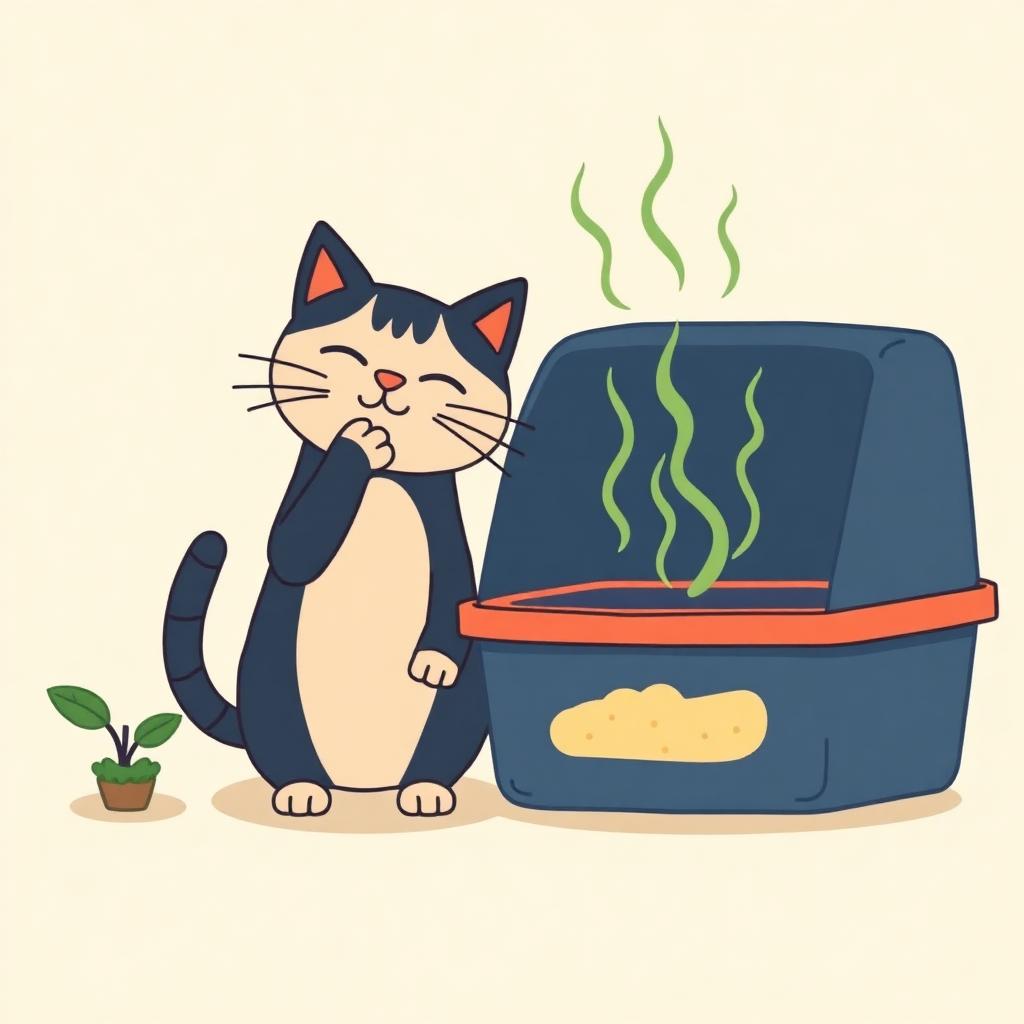
- Feline asthma affects roughly 1 in 100 cats — and clay litter is one of the top three environmental triggers.
- Crystalline silica dust from clay is a known respiratory irritant, especially in enclosed rooms.
- Scented litters are worse: essential oils and synthetic fragrances trigger bronchospasm in sensitized cats.
- Switch to a plant-fiber litter with a grain size >2 mm — tofu, pine, or wheat. Avoid crystals entirely.
- Go completely unscented. If you need odor control, choose a litter with built-in activated carbon, not fragrance.
- Ventilate the litter room. A small HEPA filter near the box makes a measurable difference.
How to tell if your cat has litter-triggered asthma
Common signs: sudden coughing fits (often mistaken for hairballs), wheezing after using the box, open-mouth breathing during play, or a persistent dry cough that worsens after a litter change. If you notice any of these, book a vet visit — asthma is diagnosed with imaging and a bronchodilator trial. Litter change alone won't cure diagnosed asthma, but it removes a major environmental trigger.
Why crystalline silica dust is the main culprit
Clay litter contains sub-10-micron silica particles that behave like industrial dust. Sub-10-micron particles bypass the nose's filtration and settle in alveolar tissue. IARC classifies crystalline silica as a Group 1 carcinogen for humans, and repeated inhalation is linked to feline lower airway disease. The problem is the particle size, not the quantity — even 'low-dust' clay releases enough fine particulate to irritate an asthmatic cat.
Why crystal (silica gel) litter is worse for asthmatic cats
Silica crystal litter markets itself as low-dust, but the granules are angular and shed micro-fragments as cats dig. In an asthmatic cat, these behave the same as clay dust. Every feline respiratory vet we've spoken to advises against silica crystals for diagnosed asthmatics.
What actually works: plant fiber
Tofu, pine, wheat, and paper-based litters all use fiber particles that are too large to aerosolize. There's essentially no respirable dust. Of these, tofu clumps hardest, controls odor best (with activated carbon), and is the softest on paws. Pine is a strong second — but avoid scented pine, which can carry high volatile oils that irritate airways.
The rest of the environment matters too
Even with the perfect litter, three things make asthma worse: air fresheners in the litter room, incense or scented candles, and dry air from central heating. A HEPA air purifier near the box, humidity between 40–60%, and no combustion in the room cuts flare-ups significantly. Ask your vet about a fluticasone inhaler and an AeroKat spacer — these are the front-line treatment for diagnosed feline asthma.
Common questions
Is tofu litter safe for cats with diagnosed asthma?
Yes, and it's what many feline respiratory specialists recommend. The pellet size is far too large to aerosolize, and unscented formulations avoid the fragrance triggers that make asthma worse.
What about cat-owner asthma or allergies?
Same answer — no dust means no inhalable particulate, and no fragrance means no volatile organic compounds. Owners with dust allergies typically report a noticeable improvement within a week of switching from clay.
Should I switch a currently-stable asthmatic cat?
Talk to your vet first. If your cat is stable on medication, the switch usually helps — but do it gradually over 7–10 days rather than in a single change, so any transient stress doesn't trigger a flare.
One switch. Four problems, gone.
Start a NEKO subscription and get your first 7L bag for 40% off. Free shipping, delivered every 4–6 weeks. Skip, pause, or cancel anytime.