Building an Allergy-Friendly Litter Box Routine at Home
Simple adjustments to scooping, storage, ventilation, and product choice can reduce irritation for both cats and people.
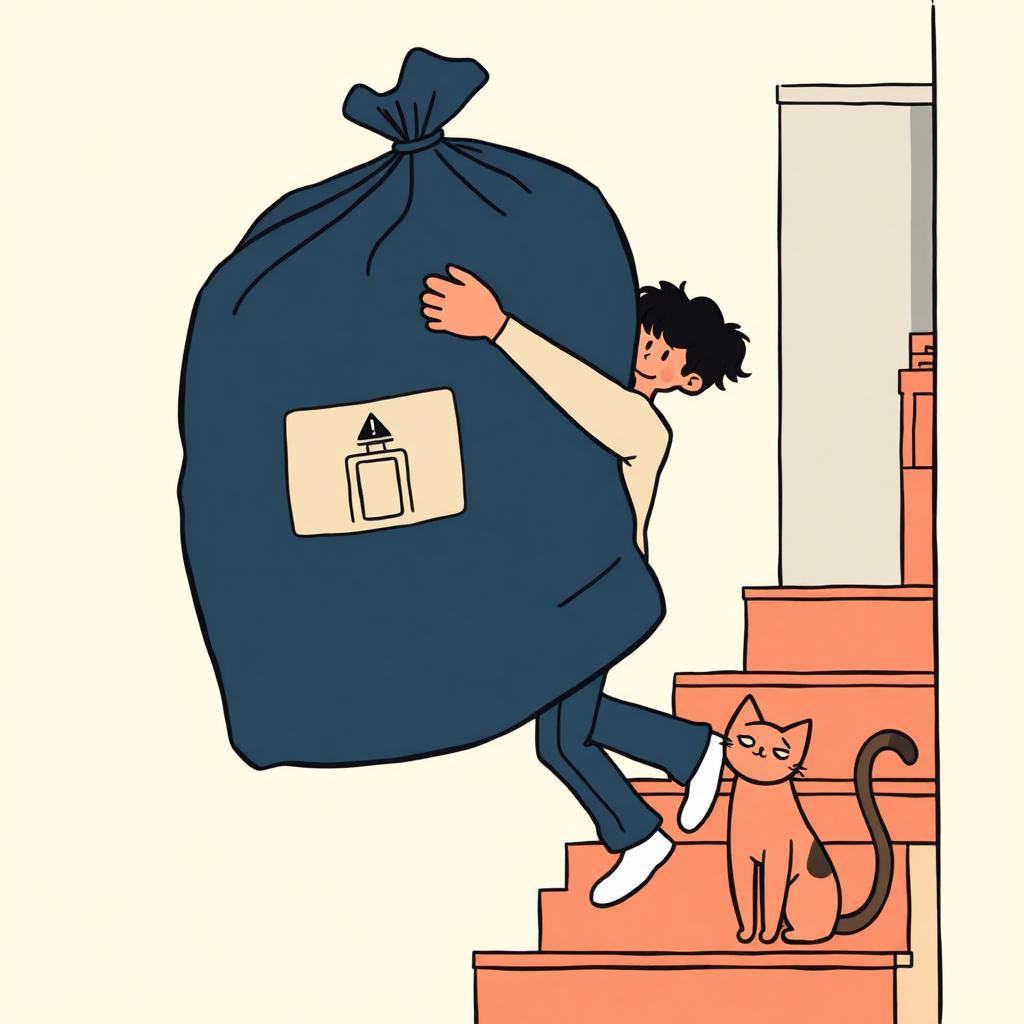
- Dust clouds from pouring, scooping, or digging trigger sneezing, itchy eyes, and coughing.
- Fragrances, deodorizing additives, and poor airflow keep irritants hanging around the litter area.
- Dirty boxes increase ammonia odor, which can irritate both cats and people even when litter looks usable.
- Open bags, damp storage, and messy cleanup spread particles beyond the box into nearby rooms.
- Choose a low-dust, unscented litter and switch gradually so your cat accepts the change.
- Scoop at least once or twice daily and empty the whole box on a consistent schedule to limit odor buildup.
- Store litter sealed and dry, clean the area with a damp cloth or vacuum with a HEPA filter, and improve ventilation.
- If your cat tolerates it, a plant-based low-dust option like NEKO can help reduce airborne mess compared with heavily dusty litters.
Why an allergy friendly litter routine matters
An allergy friendly litter routine is not just about buying a different bag of litter. The real issue is exposure. Most irritation around litter boxes comes from a mix of fine dust, fragrance compounds, dirty-box ammonia, and particles tracked into the room. People notice the obvious symptoms first: sneezing while scooping, a scratchy throat, itchy eyes, or a stale smell that never quite leaves. Cats show it differently. They may avoid the box, paw excessively after use, sneeze near the area, or seem bothered by strong scents. The routine matters because even a decent litter can become irritating if it is poured carelessly, left dirty too long, or stored in a damp laundry room beside cleaning products. Small changes reduce exposure at each step. Scoop before waste dries out and breaks apart. Pour slowly so you do not create a dust plume. Keep the box in a space with moving air, but not a draft tunnel that blows particles through the house. Use unscented cleaners on the box itself. Think of the litter setup as a system, not a single product decision. When the whole system is calmer, noses, lungs, and paws usually are too.
What actually causes irritation around the litter box
It helps to separate allergies from plain irritation. A true allergy involves the immune system reacting to a trigger. Irritation is simpler and more common: small particles or strong vapors bother sensitive tissues in the nose, eyes, throat, or lungs. Litter boxes are very good at producing both. Fine mineral dust can become airborne when a cat digs or when you top up the box. Added perfumes may smell clean to people for five minutes, then become a problem in a small room for the next five hours. Waste sitting too long produces ammonia, which is especially irritating in enclosed spaces. Then there is the mess you cannot see. Tiny granules and dried waste fragments travel on paws, the scoop, the mat, and the soles of your shoes. If you already deal with asthma, seasonal allergies, eczema, or a cat with respiratory sensitivity, your margin for error is smaller. That is why one household can tolerate a strongly scented litter with no complaints while another starts coughing during the first pour. The goal is not sterile perfection. It is reducing the total irritant load. Lower dust, lower fragrance, faster waste removal, and better airflow usually make more difference than any one marketing claim printed on a bag.
Start with the litter: low dust, unscented, and easy to maintain
The litter itself sets the baseline. If it is dusty, heavily perfumed, or breaks down quickly, no amount of careful scooping will fully fix the problem. For allergy-prone homes, unscented is usually the safest default. Fragrance is often added to cover odor that should really be managed through clumping performance and regular cleaning. Low-dust matters just as much, but be realistic: no litter is truly zero dust in daily use. What you want is a material that stays stable when poured, forms firm clumps, and does not crumble into powder after a few days. Plant-based litters can work well here if they remain low in airborne residue and your cat accepts the texture. NEKO, for example, is worth considering when you want a plant-based option that aims for a cleaner, lower-dust routine without perfume doing the heavy lifting. The transition matters. Mix the new litter into the old over several days so your cat does not stage a bathroom boycott. Keep the depth moderate, enough for digging and clumping but not so deep that every visit turns into an excavation project. A litter that supports fast scooping and less breakage usually creates less irritation over time than one that looks good only on day one.
Scooping habits that reduce dust, odor, and airborne waste
Scooping technique is where many good intentions fail. The box gets cleaned, but the air quality gets worse because waste is chopped up, shaken around, and dropped from a height back into the box. Scoop once or twice a day if possible. Frequent removal keeps clumps intact and limits ammonia before it starts to sting. Use slow, deliberate motions instead of raking aggressively through the whole pan. Slide the scoop underneath the clump, lift, and pause briefly so clean litter falls through without turning the contents into a dust storm. Deposit waste gently into a lined, covered trash container rather than carrying an open scoop across the room like a parade float. Top up litter only as needed, and pour close to the surface. If one person in the house is especially sensitive, that person should not be the default scooper if you have options. Washing hands right after matters, and a quick face rinse can help if you react around the eyes. The timing also matters more than people think. Scooping before bed and again in the morning often keeps odor lower than one large cleanup later. Short, calm maintenance sessions beat heroic weekend interventions every time.
Storage and cleanup mistakes that keep allergens circulating
A surprising amount of irritation comes from what happens outside the box. An open litter bag leaks dust every time someone walks past or folds laundry nearby. Damp storage can degrade some litters, making them break down faster and smell worse. Keep unused litter sealed in its original bag if it closes tightly, or transfer it to a lidded container kept dry and away from strong household chemicals. The area around the box deserves the same attention. Sweep too vigorously and you just launch particles back into the air. Better options are a vacuum with a HEPA filter or a damp cloth or mop for the nearby floor, wall edge, and baseboards. A litter mat helps, but only if you clean the mat itself; otherwise it becomes a tiny gravel pit of old litter and dust. Clean the scoop regularly with mild, unscented soap and dry it well. When it is time for a full box wash, avoid heavily fragranced cleaners, bleach mixtures, or anything that leaves a residue your cat will have to stand on. Warm water and a gentle unscented cleanser are usually enough. If the box is scratched and holds odor even after washing, replace it. Old plastic can become its own problem.
Ventilation: enough airflow to clear particles, not spread them
People often get ventilation half right. They either hide the litter box in a sealed bathroom with no fan, where odor and ammonia concentrate, or place it in a high-traffic draft where every puff of moving air spreads dust into the house. The sweet spot is steady air exchange without direct blasting over the box. If the box lives in a bathroom or utility area, use the exhaust fan during and after scooping. If it is in a bedroom corner or office, crack a window when weather allows, or run an air purifier with a HEPA filter nearby but not aimed straight at the litter. Placement matters. Avoid squeezing the box beside a heat vent, radiator, or laundry machines that vibrate and shake loose particles. Covered boxes can contain some scatter, but they also trap odor and may concentrate fumes near your cat’s face if not cleaned diligently. For some cats, that makes avoidance more likely. If you use a covered setup, monitor whether the smell is stronger when you open it and whether your cat seems hesitant to enter. Better ventilation should make the area smell less noticeable, not simply move the smell from one room to another like a bad houseguest.
When the cat has allergies, asthma, or box avoidance
Cats with respiratory sensitivity, skin issues, or stress around the box need an even gentler setup. Strong scent is usually the first thing to remove. After that, look at texture and cleanliness. Some cats dislike dusty fine-grain litter because it clings to paws and fur, especially in long-haired breeds. Others avoid boxes that are too enclosed, too close to noisy appliances, or not cleaned often enough. If your cat has a history of asthma or chronic sneezing, treat any sudden increase in symptoms seriously and talk to your vet. Litter changes can help, but they are not a substitute for a medical assessment. If a cat begins peeing outside the box after you switch products, do not assume stubbornness. The texture may feel wrong, the smell may be too strong, or the cat may associate the box with discomfort. Reintroduce familiarity by mixing litters gradually and offering a second box during the transition. In multi-cat homes, the old rule of more boxes than cats is helpful because it reduces traffic and waste concentration. Cleaner, calmer boxes are easier on sensitive cats. They also reduce the chance that one cat decides the hallway rug is now the superior bathroom. Cats can be unsparing critics.
A practical weekly routine for a lower-irritation setup
The most effective routine is boring, consistent, and easy enough that you actually follow it. Daily: scoop morning and evening, check litter depth, and wipe any obvious scatter with a damp cloth or use a HEPA vacuum around the mat. Keep the trash receptacle closed and remove bagged waste regularly so odor does not linger nearby. Every few days: inspect the box walls and rim for dust film or residue, and clean the scoop handle and surrounding floor. Weekly or on the schedule your litter needs: empty the box fully, wash it with warm water and an unscented mild cleaner, dry it completely, and refill slowly to avoid a dust plume. Monthly: review the setup like a systems problem. Is the room stuffy. Is the mat doing anything useful. Is the litter staying stable until the next change or turning powdery too soon. Are people in the house still sneezing during cleanup. If yes, change one variable at a time so you know what helped. Many homes do well with an unscented, low-dust plant-based litter, sealed storage, and better airflow. If NEKO fits your cat’s preferences and keeps the area cleaner with less dust, that is a practical win. The best routine is the one your cat accepts and your sinuses barely notice.
Common questions
What is the best allergy friendly litter routine for a small apartment?
Use an unscented, low-dust litter, scoop at least once or twice daily, store litter sealed, and run an exhaust fan or HEPA purifier near the box without blowing directly over it. Clean scatter with a damp cloth or HEPA vacuum rather than dry sweeping. In a small apartment, frequent waste removal and airflow usually matter as much as the litter itself.
Can cat litter dust trigger allergies or asthma symptoms?
Yes. Fine litter dust can irritate the nose, eyes, throat, and lungs, and it may worsen asthma symptoms in sensitive people. Fragrance and ammonia from dirty boxes can add to the problem. If symptoms are significant or persistent, reduce exposure and speak with a clinician, especially if wheezing or breathing difficulty is involved.
Is scented litter better for odor if someone has allergies?
Usually no. Scented litter may mask odor briefly, but perfumes often bother sensitive people and some cats. Odor is usually managed better by frequent scooping, good clumping, full box changes on schedule, and ventilation. Unscented litter is often the safer choice for allergy-prone homes.
How often should I fully change litter to reduce irritation?
That depends on the litter type, number of cats, and how well the litter clumps, but most homes do best with daily scooping and regular full changes before odor becomes obvious. If the litter starts breaking down, smelling stale, or leaving heavy residue on the box walls, change it sooner rather than trying to stretch it.
Are plant-based litters better for an allergy-friendly home?
They can be, especially if they are unscented and genuinely low in dust. Plant-based does not automatically mean allergy-friendly, though. Some formulas still create particles or odors as they break down. The best choice is the one your cat uses reliably and that keeps dust, odor, and tracking low in your specific home.
One switch. Four problems, gone.
Start a NEKO subscription and get your first 7L bag for 40% off. Free shipping, delivered every 4–6 weeks. Skip, pause, or cancel anytime.