What Kind of Litter Is Best for Young Kittens?
Compare safety, texture, dust, and tracking factors to choose a litter that suits developing kittens and cautious new owners.
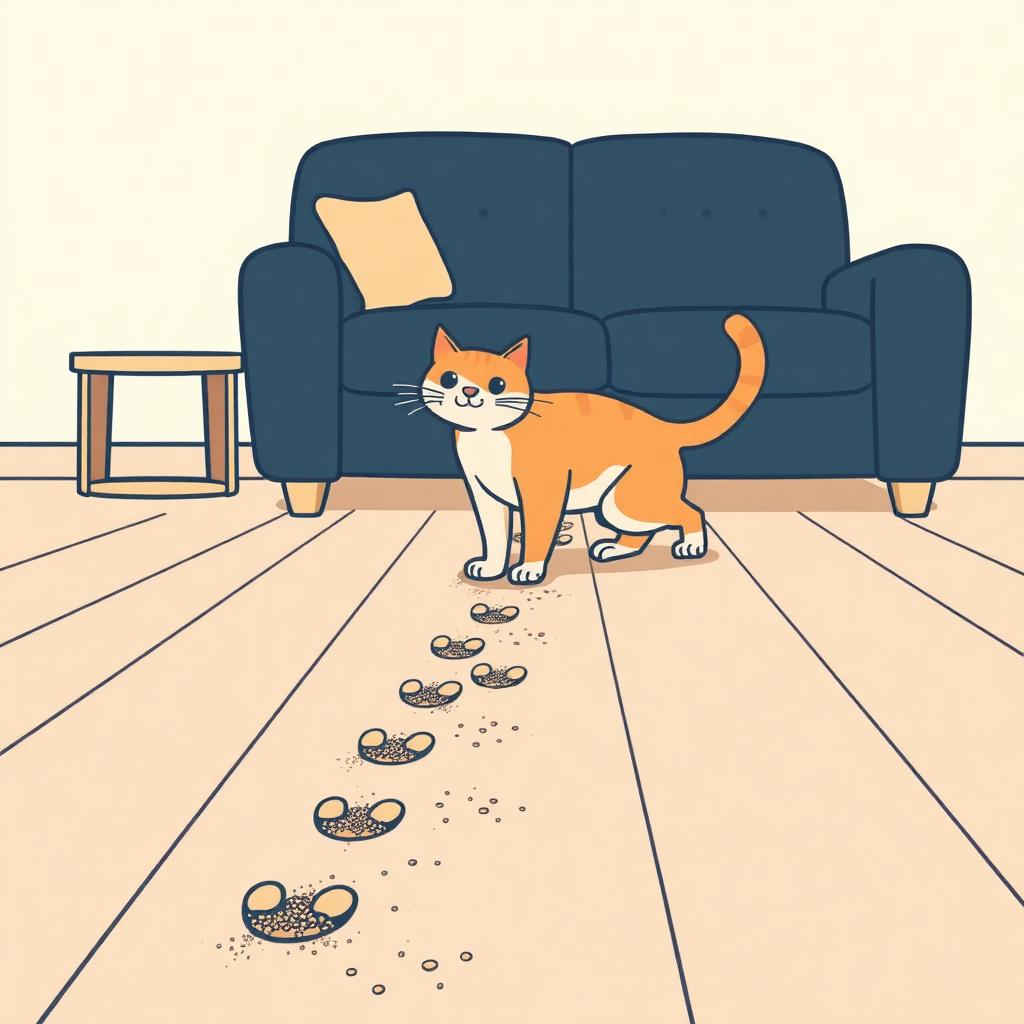
- Very young kittens may lick or swallow litter while grooming or exploring.
- Strong scents, heavy dust, and rough granules can make the litter box harder to accept.
- Some litters track everywhere, which means kittens re-encounter litter on paws and fur.
- New owners often buy clumping litter too early without knowing when it is safer to switch.
- Start with an unscented, low-dust litter that feels soft under tiny paws and is easy to step into.
- For very young kittens, many vets and shelters prefer a non-clumping litter until the habit of eating litter has passed.
- Keep boxes shallow, close, and easy to reach so litter choice is not fighting poor setup.
- When your kitten is older and reliably not tasting litter, a low-dust plant-based option like NEKO can be a practical next-step choice.
What matters most when choosing the best litter for young kittens
The best litter for young kittens is usually the one that is safest if sampled, gentle on small paws, and easy to use in a simple box setup. Age matters. A kitten at eight weeks is not making the same choices as a confident four-month-old. Very young kittens investigate with their mouths, groom obsessively, and can mistake litter for something chewable, especially if it has an interesting smell or soft pellet shape. That is why many vets, breeders, and shelters start kittens on unscented non-clumping litter rather than standard clumping clay. The goal is not luxury. The goal is reducing avoidable risk while the kitten learns where to go. Texture matters more than most new owners expect. If the granules are sharp, oversized, or unstable underfoot, some kittens hesitate, perch on the edge, or avoid the box entirely. Dust matters too. Kittens are close to the surface, noses inches from the litter, and dusty products can irritate eyes and airways while coating fur. Tracking is not just an annoyance for your floor. Tracked litter gets licked off paws, spread into beds, and carried into food areas. For young kittens, the safest path is usually plain and boring: unscented, low-dust, easy to dig, and introduced in a shallow box with frequent cleaning.
Why clumping litter is often delayed for very young kittens
Clumping litter is popular for good reasons. It is convenient, efficient, and usually better at odor control in small spaces. The problem is not the concept of clumping. The problem is the stage of kitten development. Very young kittens may nibble litter, groom dusty paws, or lick small particles stuck to fur around the mouth and belly. If enough clumping material is swallowed, it can form sticky masses when wet. That is the concern owners are trying to avoid during the earliest weeks. This does not mean every clumping litter will automatically cause a crisis, and it does not mean every kitten will try to eat litter. It means the risk is unnecessary when safer early-stage options exist. Most cautious owners use non-clumping litter until the kitten is older, eating well, using the box reliably, and no longer showing interest in tasting the substrate. For many homes that transition happens after the very young phase, often once the kitten has settled into regular routines and better coordination. If you are adopting from a shelter or breeder, ask what litter the kitten already knows. Familiarity often beats theory in the first few days. A clean, familiar box lowers stress and helps avoid accidents while you watch for habits like digging, perching, sniffing, or trying to chew litter.
How texture, particle size, and depth affect litter box success
A kitten does not care about marketing terms. It cares whether the box feels stable, safe, and easy to dig in. Fine or medium-soft granules are usually easier for small paws than large hard pellets, jagged crystals, or very heavy particles. If the litter shifts too much, sticks to wet paws, or feels unpleasant to stand on, a kitten may rush out before finishing or refuse to bury waste. That can look like a behavior problem when it is really a comfort problem. Depth matters too. Adult cats often like enough litter to dig and cover properly, but young kittens can struggle in a box filled like a sandbox. Too much depth makes footing unstable and can increase tracking because litter climbs between toes and along the legs. A modest layer is usually enough at first. Pair that with a low-entry box so the kitten does not have to perform a small mountain ascent every time nature calls. If the kitten is tiny, weak after weaning, or recovering from illness, ease of entry becomes even more important. Watch what happens after each visit. A kitten that enters willingly, turns around comfortably, digs a little, and exits calmly is telling you the setup works. A kitten that leaps out, flicks paws violently, or balances on the rim is giving useful criticism, albeit without written notes.
Dust, fragrance, and odor control: what helps and what backfires
Many new owners focus on smell first, which is understandable if the litter box sits in a bedroom or apartment hallway. For young kittens, scent-heavy litter can solve one problem while creating two more. Strong fragrance can make some kittens reluctant to use the box, especially when they are already adjusting to a new home. It can also make it harder for you to judge whether the box is actually clean, because perfume masks the obvious cue that it needs scooping. Unscented litter is usually the safer default. Dust is the bigger issue. Even if a litter says low dust, pour a little into the box and look at the air above it. Fine clouds settle on fur, whiskers, and nearby surfaces, and kittens are close enough to inhale a meaningful amount. A dusty litter can also make you scoop less gently, which creates more airborne particles. Some plant-based and paper-based litters do better here, though performance varies by formula and particle size. The best odor control in a kitten box usually comes from simple maintenance: small box, shallow fill, frequent scooping, and full changes on schedule. Good hygiene beats a strong perfume every time. If you later move to a clumping litter for an older kitten, low-dust, unscented formulas remain the smarter target than anything marketed like a scented candle with opinions.
Comparing common litter types for kittens: clay, paper, wood, silica, and plant-based
Non-clumping clay is a common starter choice because it is familiar, inexpensive in many markets, and easy to find. For very young kittens it can be a practical temporary option, especially if it is unscented and reasonably low dust. The downside is that some clay products are still dusty and can track badly. Paper litter is another frequent recommendation for kittens. It is soft, low mess in many homes, and generally straightforward if ingested in tiny amounts during exploration. Its weakness is odor control and, for some kittens, lower digging satisfaction depending on whether it comes as pellets or a softer crumble. Wood and other natural pellet litters can work, but large pellets are not every kitten’s idea of comfort. Some adapt easily. Others look at the box as if you filled it with tiny chair legs. Silica crystal litter is usually less appealing for very young kittens because the texture can be harsh, and some formulas are not ideal if a kitten mouths the particles. Plant-based litters vary widely. Some are soft, low dust, and effective once a kitten is older and no longer sampling litter. That is where a product like NEKO can make sense later on: plant-based, practical for owners who want strong performance without heavy fragrance. For the youngest kittens, though, safety and simplicity come first. Start conservative, then upgrade once the kitten’s habits are reliable.
How to set up the litter box so the litter has a fair chance to work
A perfect litter can still fail in a poor setup. For young kittens, use a box with low sides or one side cut down so entry is easy from every angle. Tiny kittens are not impressed by your sleek, tall-sided designer box. They want to get in quickly, turn around, and leave without acrobatics. Place the box close to where the kitten sleeps and plays, especially in the first week. Long walks to the bathroom are for confident adults, not babies who stop midway because a dust mote looked suspicious. Use more than one box if the home has multiple levels or if the kitten has free access to a large space. Keep food and water well away from the box. Scoop often. Young kittens produce smaller waste but need cleaner conditions because a dirty box can put them off fast. After meals, naps, and active play, place the kitten in the box and let it step out on its own after a moment. No forcing, no paw-holding, no dramatic speeches. If accidents happen, clean them thoroughly and look at the full picture: box location, height, litter depth, noise nearby, and whether another pet is hovering. Many litter issues blamed on the substrate are really setup issues. Fix the setup first, then judge the litter honestly.
When to switch litters and how to do it without causing accidents
There is no universal birthday when a kitten becomes ready for a different litter. The better question is whether the kitten is developmentally ready. Signs include consistent litter box use, no interest in chewing or licking litter, stable appetite, normal grooming, and enough coordination to enter and dig without wobbling. If those basics are in place, you can usually trial a new litter gradually rather than making a dramatic overnight swap. The least disruptive method is mixing small amounts of the new litter into the old over several days, increasing the ratio only if the kitten keeps using the box normally. Watch for changes in digging, hesitation, or stepping into the box and backing out. Some kittens care a lot about substrate change. Others adapt with the emotional range of a tax auditor. If you are moving from a non-clumping kitten-safe starter litter to a clumping product, be extra observant in the first week. Scoop promptly so the box stays attractive and so you can monitor whether the kitten interacts with clumps or simply ignores them. For owners hoping to end up with a plant-based clumping litter, this is the stage when NEKO may be a reasonable fit if your kitten is old enough and no longer eating litter. The upgrade should serve the kitten first and your cleaning routine second, not the other way around.
Special cases: tiny rescues, multi-cat homes, and kittens that keep tasting litter
Very small rescues, bottle babies, and underweight kittens need extra caution. If a kitten is behind developmentally, use the kitten’s behavior rather than the calendar as your guide. A frail ten-week-old may need the same conservative litter choice as a stronger younger kitten. Ask your veterinarian if the kitten has digestive issues, dehydration, or delayed weaning, because those factors can affect how worried you should be about litter ingestion. In multi-cat homes, give kittens their own easy-access box in a quiet area. Adult cats can block access without direct aggression, and a nervous kitten may then eliminate behind furniture and get blamed for poor manners. Different boxes can also let you compare preferences. If one box has softer unscented litter and gets all the traffic, your cats have completed the product review for you. If a kitten keeps eating or chewing litter, do not just switch brands repeatedly and hope for the best. Rule out hunger, boredom, anemia, gastrointestinal upset, and simple teething-style exploration. Contact your vet if the behavior is persistent or if you notice vomiting, constipation, bloating, or reduced appetite. In the meantime, stick with the safest reasonable non-clumping option, keep the box very clean, and offer plenty of play and appropriate chew alternatives. Curiosity is normal. Repeated litter snacking is not a hobby worth encouraging.
Common questions
What is the best litter for young kittens?
For very young kittens, the best litter is usually unscented, low-dust, and non-clumping. That combination lowers the chance of problems if a kitten tastes litter while grooming or exploring. Soft texture also helps with box acceptance. Once a kitten is older and reliably not eating litter, many owners switch to a low-dust clumping litter for easier cleanup.
At what age can kittens use clumping litter?
There is no perfect universal age, but many owners wait until the very young exploratory stage has passed and the kitten is consistently using the box without trying to eat litter. Ask your vet if your kitten is small, delayed, or has digestive issues. Behavior matters more than a date on the calendar.
Is non-clumping litter safer for kittens?
For very young kittens, yes, it is often considered the safer starter option. The main reason is that kittens may lick or swallow litter. Non-clumping formulas reduce concern about swallowed particles forming sticky masses when wet. Choose an unscented, low-dust version and keep the box shallow and clean.
Should kitten litter be scented or unscented?
Unscented is usually the better choice. Strong fragrance can put some kittens off the box and may irritate sensitive noses. It also masks odor rather than solving it. Better odor control usually comes from frequent scooping, full litter changes on schedule, and a litter that produces minimal dust.
Can I use plant-based litter for a kitten?
Possibly, but it depends on the kitten’s age and habits. Some plant-based litters are soft and low dust, which is good, but if the litter clumps and your kitten is still mouthing litter, it may be too early. For older kittens who are using the box reliably and not tasting litter, a plant-based option such as NEKO can be a sensible next step.
One switch. Four problems, gone.
Start a NEKO subscription and get your first 7L bag for 40% off. Free shipping, delivered every 4–6 weeks. Skip, pause, or cancel anytime.