How to Choose a Low-Dust Litter for Cats With Asthma
This article explains what low-dust really means, which features matter most, and how to reduce respiratory irritation at home.
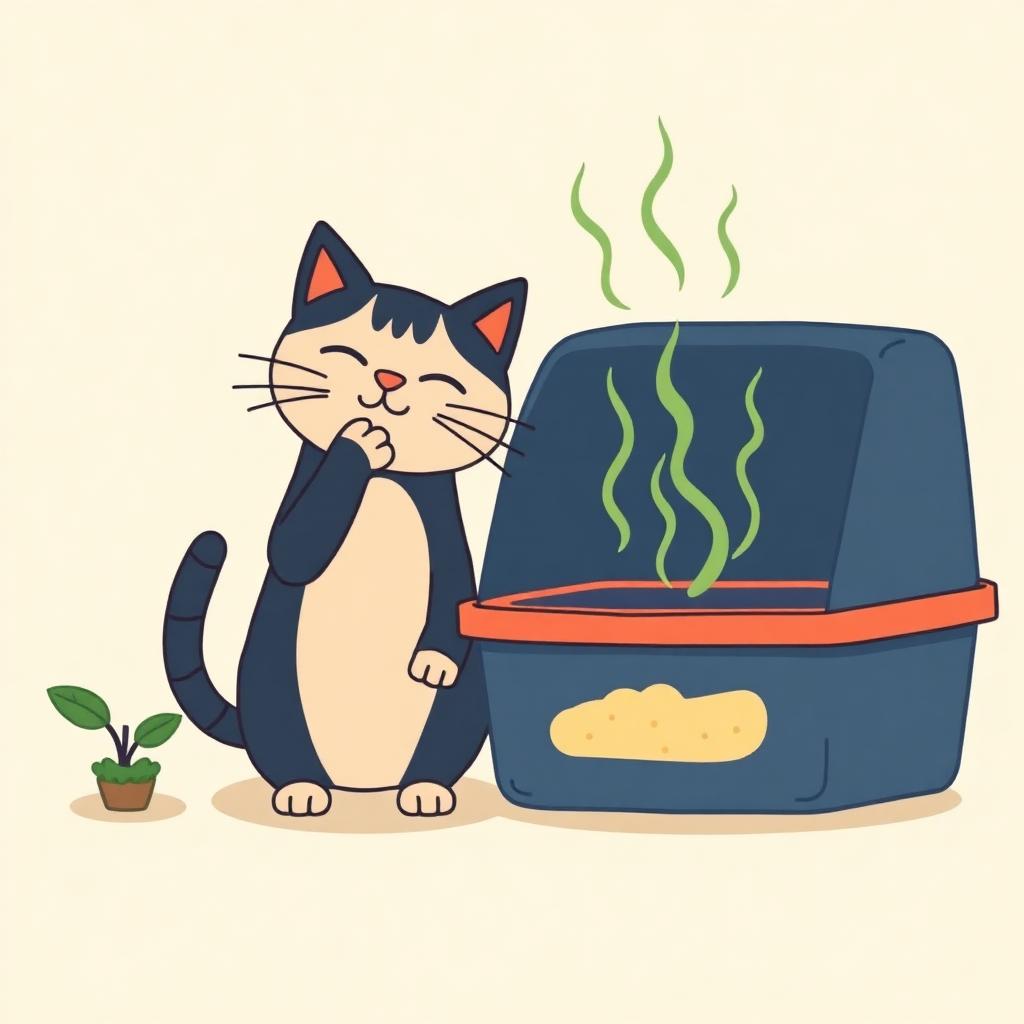
- Your cat coughs, wheezes, or breathes harder after using the litter box
- A litter labeled "99% dust free" still leaves powder on the box, floor, or air
- Strong fragrance and fine particles make flare-ups worse during digging and cleaning
- Switching litters too fast can stress cats and create box avoidance on top of breathing issues
- Choose litter with larger, denser granules or pellets that create less airborne dust during digging
- Skip scented formulas and prioritize simple ingredients with minimal added fragrance or deodorizer
- Clean gently, pour slowly, and place the box in a well-ventilated area away from HVAC blasts
- If your cat tolerates plant-based pellet litter, a low-dust option like NEKO can help reduce loose powder compared with many clay litters
Why litter dust matters when a cat has asthma
For cats with asthma, the problem is not just the litter itself. It is what becomes airborne when the cat digs, covers waste, jumps out of the box, or when you top up and scoop. Low dust litter cats with sensitive airways can tolerate better usually produces fewer fine particles, which means less material available to irritate the nose, throat, and lower airways. That matters because feline asthma is an inflammatory condition. Once the airways are irritated, they narrow, produce more mucus, and trigger coughing or wheezing. A dusty litter does not cause asthma on its own, but it can absolutely add to the total irritation load in the home. Owners often notice the pattern: symptoms spike right after box use, after a fresh pour, or during a full litter change. The fix is not to chase marketing claims blindly. "99% dust free" is not a medical standard, and it does not tell you how the litter behaves when handled. What matters is real-world dust generation in your house, with your cat's digging style, and your cleaning routine. If your cat has confirmed or suspected asthma, reducing airborne particles around the litter box is one of the simplest home changes worth making.
What low-dust really means and what labels do not tell you
There is no universal industry definition for low dust. Brands use terms like low dust, nearly dust free, and 99% dust free, but these claims often reflect factory testing under controlled conditions rather than what happens in a busy home. A litter can look clean in the bag and still shed dust once granules rub together, dry out, or break apart under scratching. The best way to judge a product is by particle behavior. Fine powder hangs in the air longer. Larger, heavier particles fall quickly and are less likely to be inhaled. Dust can come from the base material itself, from broken granules, or from dried waste turning into crumbly debris after repeated scooping. Fragrance is another trap. A strongly scented litter may seem fresher, but perfume can irritate a cat with sensitive airways just as much as dust. Focus on texture, particle size, and ingredient simplicity before you focus on the front-of-bag promise. If you pour a litter slowly into an empty box and can see a visible cloud, that is useful information. If scooping creates a haze near the tray, same story. Marketing copy is easy. Watching what actually becomes airborne in your laundry room or bathroom is more honest.
Which litter types tend to be easier on sensitive airways
Material matters because different litters break down in different ways. Clay clumping litter is common and often easy to scoop, but it can produce very fine dust, especially at the bottom of the bag or after repeated use. Some premium clay formulas do better than others, but clay remains the category many owners of asthmatic cats end up moving away from first. Silica crystal litter usually sheds less visible dust than many clay products, though some cats dislike the texture and some formulas still contain fine fragments. Pellet-style litters, including paper, wood, and certain plant-based options, are often a good place to look because the particle size is larger and there is less loose powder to suspend in the air. The tradeoff is that not every cat likes pellets underfoot, and some pellet litters track differently. Plant-based tofu litter can be useful if it holds shape well and stays low in loose fines. A product like NEKO, for example, may suit cats that need a lower-dust, unscented litter with a softer transition from traditional granular litters than large wood pellets. No litter type is perfect for every cat. The right choice balances respiratory tolerance, acceptance in the box, clumping or absorption needs, and how much dust you actually see during daily use.
The features that matter most when you compare one bag to another
Start with unscented. If a litter has a strong added fragrance, it moves down the list immediately for an asthmatic cat. Next, look at granule size and integrity. Larger, more uniform particles generally create less airborne dust than tiny, brittle grains. Then consider clumping behavior. Good clumps reduce the need for aggressive scraping and prevent urine-soaked material from crumbling into fine particles. Poor clumps break apart, contaminate the box, and turn every scoop into a dust-making event. Moisture handling matters too. A litter that becomes chalky or crumbly as it ages often gets dustier by day four or five, even if it seemed fine on day one. Tracking is not just a housekeeping issue. Tracked fines dry out on the floor and can be kicked back into the air later. Check the bottom of the bag as well. If a bag contains a visible layer of powder before you even use it, that tells you plenty. Box compatibility is another factor. Lightweight litter can aerosolize more easily in high-sided boxes where cats dig hard against plastic walls. Finally, think about how you clean. If a litter only stays low dust when handled very gently, it may not be realistic for a multi-cat home. The best option performs well under normal human behavior, not laboratory manners.
How to test a new litter without triggering a flare-up or a boycott
Do not dump a full tray of unfamiliar litter under an asthmatic cat and hope for the best. Transition gradually unless your veterinarian has told you to remove a specific product immediately. A typical changeover is about one week, sometimes longer for cautious cats. Start by mixing a small amount of the new litter into the old, then increase the proportion every couple of days while watching both breathing and bathroom behavior. During the trial, avoid changing other variables if you can. Do not introduce scented cleaners, a covered box, and a new room all at once. You want to know what the litter is doing, not create a mystery. Observe at the moments that matter: when you pour the litter, when your cat digs, and when you scoop after urine clumps have sat for several hours. Note whether coughing increases after box visits or after cleaning. If your cat starts avoiding the box, pause and reassess. Some cats with asthma still prefer a familiar soft texture over a pellet that is objectively less dusty. In that case, you may need a lower-dust version within the same texture family rather than a dramatic switch. If breathing seems worse at any point, involve your vet promptly. A perfect litter on paper is useless if your cat refuses to use it or if respiratory signs escalate.
Box setup and cleaning habits can matter as much as the litter itself
A good litter can still become a problem in a poorly managed setup. Covered boxes are often recommended for mess, but they can trap dust in a small space right where the cat is breathing while digging. Many cats with respiratory issues do better with an open, roomy box that allows particles to disperse rather than concentrate around the face. Location matters too. Avoid placing the box beside a heating vent, radiator, fan, or return air intake. Fast-moving air lifts settled particles and spreads them through the house. When filling the box, pour close to the surface and do it slowly. There is no prize for dramatic waterfall technique. Scoop daily so urine clumps and stool do not dry out and fragment. During a full litter change, empty the tray gently and wipe it with mild unscented soap and water rather than heavily perfumed cleaners. Let it dry completely before refilling. If you sweep around the box, you can launch dust back into the air. A damp paper towel, microfiber cloth, or vacuum with a suitable filter is usually better. Also consider the litter depth. Too little encourages scraping against the base; too much can increase vigorous digging. Many cats do well with a moderate layer that allows covering without turning the tray into a sandbox excavation site.
When the issue is not only dust: fragrance, ammonia, mold, and home air quality
Dust gets most of the attention, but it is only one piece of the respiratory picture. Fragrance is a frequent irritant, especially in small rooms. If the litter smells like perfume to you, imagine it at nose level inside the box. Ammonia from poor waste control is another problem. If urine odor builds up because a litter does not absorb or clump well, that sharp smell can sting sensitive airways. Moisture is also worth monitoring. A damp, poorly ventilated area can make any litter perform worse and can encourage musty odors that irritate both humans and cats. For plant-based litters, proper storage matters. Keep the bag sealed and dry so the product does not degrade before it even reaches the tray. Household products count too. Aerosol sprays, scented candles, incense, and aggressive cleaning agents near the litter area can make a low-dust litter seem ineffective because the cat is reacting to the whole environment. If your cat still coughs after you improve the litter, widen the lens. Consider whether the box room is stuffy, whether dust from laundry or HVAC is collecting there, or whether the cat also flares after exercise, stress, or seasonal changes. Litter is a meaningful lever, but asthma control usually improves most when several small respiratory irritants are removed together.
Signs your litter choice is working and when to call the vet sooner
A better litter setup usually shows results in practical ways. You may see less visible powder on the box rim, less debris on nearby surfaces, and fewer coughing episodes clustered around box visits or clean-outs. Your cat may spend less time hesitating at the tray and more time using it normally. What you should not expect is that a low-dust litter will cure asthma. If your cat has diagnosed asthma, medication and veterinary follow-up may still be necessary. Seek veterinary advice promptly if your cat is breathing with the mouth open, breathing faster than usual at rest, extending the neck to breathe, wheezing more often, or having repeated coughing fits. Those are not litter-review problems. They are medical problems. It is also worth calling if your cat begins avoiding the box, strains to urinate, or seems painful, because respiratory concerns can overlap with unrelated litter-box issues. If your vet recommends environmental control, a low-dust unscented litter is one of the most sensible changes to trial first. Choose one with stable particles, low visible fines, and good odor control without perfume. Then pair it with careful cleaning and a calm transition. Boring, consistent, and low drama is usually what asthmatic cats need most. They would probably say thanks, if they were less committed to mystery.
Common questions
What is the best low dust litter cats with asthma can use?
There is no single best choice for every cat. In general, unscented litters with larger, denser particles or pellets tend to create fewer airborne fines than very fine clay. The best option is the one your cat will use consistently without visible dust clouds during pouring, digging, or scooping. If symptoms continue, your vet should help guide the choice.
Is clay litter bad for cats with asthma?
Not every clay litter will cause problems, but clay is one of the categories most likely to produce fine dust. For cats with asthma, that can add irritation during box use and cleaning. Some cats do better on low-dust clay than on pellets they refuse to use, so the answer depends on the individual cat and the actual dust you see at home.
Are pellet litters better for respiratory issues?
Often, yes. Pellet litters usually have larger particles, so there is less fine material hanging in the air. That can make them a good option for asthma-prone cats. The catch is texture preference. Some cats accept pellets immediately, while others avoid the box. A gradual transition is usually the safest way to test them.
Should I use a covered litter box for an asthmatic cat?
Usually an open box is the safer starting point. Covered boxes can trap dust and odor inside a small space where your cat is actively digging and breathing. If you need a cover for other reasons, watch closely for coughing or hesitation around the box. Many respiratory-sensitive cats do better with a large open tray in a well-ventilated spot.
Can scented litter trigger coughing even if it is low dust?
Yes. Low dust does not always mean low irritation. Added fragrance can bother sensitive airways even when particle levels are lower. For cats with asthma, unscented litter is usually the better choice. It removes one avoidable trigger and makes it easier to judge whether the litter itself is helping.
One switch. Four problems, gone.
Start a NEKO subscription and get your first 7L bag for 40% off. Free shipping, delivered every 4–6 weeks. Skip, pause, or cancel anytime.