Managing the Litter Box for Cats With Asthma
Learn how litter texture, dust levels, cleaning habits, and placement can support a cat with asthma at home.
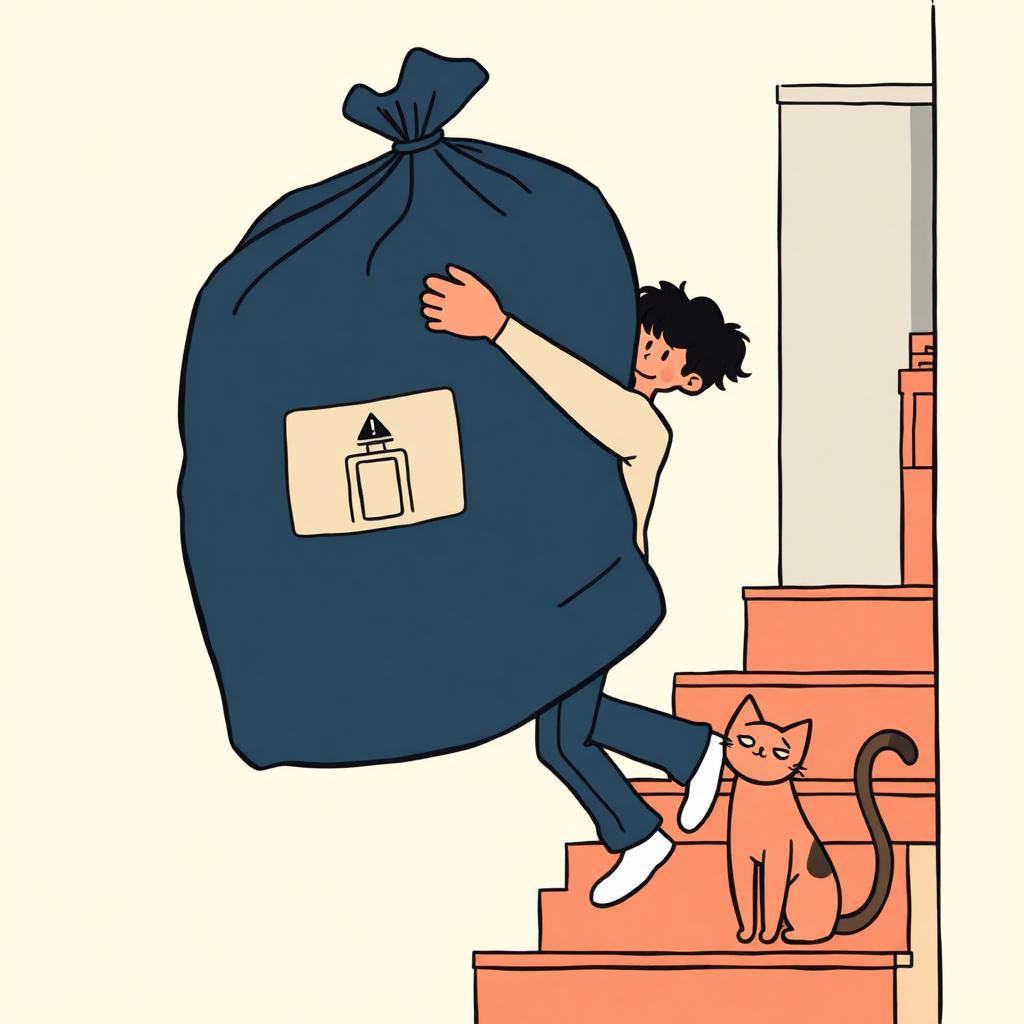
- Dust from some litters can trigger coughing, wheezing, or faster breathing during box use
- Strong fragrance and ammonia buildup may irritate already sensitive airways
- Fine, sandy textures stick to paws and spread particles through the home
- A poorly placed or dirty box can make an asthmatic cat avoid the litter box entirely
- Choose a low-dust, unscented cat asthma litter with larger granules and minimal powder
- Scoop at least daily and fully refresh on a regular schedule to limit ammonia and airborne debris
- Place boxes in well-ventilated, low-traffic areas away from smoke, aerosols, and HVAC blasts
- If your cat tolerates it, a low-dust plant-based litter such as NEKO can reduce powder without adding perfume
Why litter choice matters when a cat has asthma
Cats with asthma have inflamed, reactive lower airways. That means ordinary irritants can matter more than they do for a healthy cat. The litter box is one of the most common indoor exposure points because a cat puts its face close to the surface, digs, covers waste, and then walks away carrying fine particles on its paws and coat. Cat asthma litter decisions are not just about odor control or clumping. They are about reducing what gets kicked into the air and inhaled at close range. Dust is the obvious problem, but it is not the only one. Fragrance, deodorizing additives, and ammonia from urine breakdown can all irritate sensitive airways. Even the wrong box setup can make things worse. A deep box filled with very fine litter can create a cloud each time the cat digs. A covered box can trap irritants inside, then concentrate them right where the cat breathes. None of this replaces veterinary treatment. If your cat has open-mouth breathing, blue gums, severe wheezing, or obvious respiratory distress, that is an emergency. But day-to-day litter management is one of the most practical ways to reduce avoidable triggers at home.
The main litter triggers: dust, fragrance, and ammonia
Dust gets most of the attention for good reason. Fine mineral particles can become airborne during pouring, scooping, and digging. A cat does not need to be covered in a visible cloud for it to matter. Small amounts breathed in close to the surface may be enough to irritate sensitive lungs. Fragrance is another common problem. Scented litter may smell clean to people, but perfume compounds can be harsh for a cat that already has inflamed airways. Strong odor masking sprays and deodorizer crystals belong in the same category. Then there is ammonia. Urine starts breaking down quickly, especially in a warm, enclosed, or poorly scooped box. That sharp smell is not just unpleasant. It can irritate the nose, throat, and lungs. For an asthmatic cat, dirty litter can be more than an inconvenience. Texture also matters. Very fine grains often produce more loose powder and can cling to paws, spreading residue onto bedding and floors where it gets stirred up later. When owners say their cat coughs more after using the box, the trigger is often not one thing but a stack of small irritants: dusty substrate, scent, stale urine, and poor airflow all at once.
What to look for in a better litter for sensitive airways
The best litter for an asthmatic cat is usually unscented, low dust, and made from particles that do not pulverize easily. Start by reading labels skeptically. “Low dust” is useful only if the litter actually pours and scoops cleanly without leaving a visible powder layer. Unscented means no added fragrance, not “fresh linen” or “mountain air,” which are marketing phrases for perfume. Granule size matters too. Slightly larger pellets or granules tend to create less floating dust than very fine sand-like litter, though every cat has texture preferences. Clumping ability should be solid enough that urine can be removed in one scoop instead of broken apart into crumbs that stay behind and generate odor. Plant-based litters can work well if they are genuinely low in powder and not heavily perfumed. Tofu litter is often chosen for this reason because the pieces are typically larger than clay grains and can be easier to keep out of the air, though product quality still matters. If you are considering NEKO, the honest case for it is simple: a plant-based, low-dust, unscented litter may reduce one common household trigger. The right choice is the one your cat will actually use consistently without coughing more around the box.
How to switch litter without causing box avoidance
Even the perfect respiratory setup fails if the cat refuses the box. Cats are texture loyal, and asthmatic cats do not need the added stress of a sudden change. The safest approach is gradual. Mix a small amount of the new litter into the old one for a few days, then increase the ratio step by step over about a week, sometimes longer for cautious cats. If your cat has a history of inappropriate elimination, go slower. Keep the box depth moderate rather than deep enough for dramatic trench digging. A layer around a couple of inches is often enough for clumping and comfort without creating unnecessary spray of particles. If you have room, offer two boxes during the transition: one with the old litter and one with the new. That gives useful feedback without forcing a choice. Watch the cat, not just the packaging claims. If coughing starts during digging, if there is heavy tracking, or if the cat hesitates at the box entrance, reassess. Texture aversion can look subtle at first. More time spent circling, less burying, or perching awkwardly on the edge all suggest the litter or box setup is not working. Successful cat asthma litter management is about reducing respiratory triggers while preserving normal litter box behavior.
Cleaning habits that reduce respiratory irritation
A low-dust litter helps, but poor maintenance can undo the benefit. Scoop at least once daily, and twice daily is better in multi-cat homes or for cats that urinate large volumes. The goal is simple: remove waste before odor compounds build up and before clumps break apart into gritty residue. When scooping, move slowly. Fast shaking creates more airborne dust than patient lifting and gentle sifting. Topping off the box with fresh litter is useful, but do not rely on topping off forever. Full emptying and washing still matter because urine film and microscopic debris collect on the sides and bottom. Use mild soap and water if your cat tolerates the cleaned box well. Skip strongly scented cleaners, bleach mixtures, and spray deodorizers. A box that smells like a chemical aisle is not a gift to an asthmatic cat. Dry the box completely before refilling. Damp surfaces turn leftover litter into paste and can increase odor later. If pouring from a large bag creates a dust plume, pour closer to the box and more slowly, or decant into a smaller container for control. Small handling changes sound boring because they are boring. They also work. Many household irritants are less about the material itself and more about how much of it ends up in the air.
Box type and placement can make symptoms better or worse
Where the box lives matters almost as much as what is in it. Put litter boxes in quiet areas with decent airflow, but not in places blasted by a heating vent, fan, or return duct that can lift particles into the air. Laundry rooms are common box locations and not always ideal. Detergent fragrance, dryer sheets, lint, and poor ventilation can turn that room into an irritation trap. Bathrooms can be better if they stay dry and ventilated, but avoid wedging the box beside aerosol cleaners or air fresheners. Covered boxes are complicated. They can reduce tracking for owners, but they also hold dust and ammonia in a small chamber right where the cat’s face is during digging. Many asthmatic cats do better with an open box that allows irritants to disperse instead of concentrating. High-sided open boxes can help contain scatter without sealing the cat inside. Placement should also support confidence. If a cat has to squeeze behind storage bins or navigate a noisy appliance to reach the box, stress rises, and some cats rush through the visit, stirring more litter in the process. In multi-cat homes, spread boxes out rather than clustering them all in one room. A simple rule still applies: enough access, low drama, and cleaner air around the box.
What to do if your cat still coughs near the litter box
If symptoms continue after you switch to a low-dust unscented litter and improve maintenance, zoom out. The litter box may be one trigger among several. Smoke, vaping residue, candles, incense, fireplace ash, aerosol cleaners, and dusty HVAC filters can all add up. Some cats cough after intense play, temperature shifts, or stress, which can make the litter box look guilty when it is only nearby. Keep a simple log for two weeks: note coughing episodes, time of day, litter changes, cleaning times, and anything unusual in the environment. Patterns can be surprisingly obvious on paper. If coughing clusters right after scooping, the technique or litter powder is still a problem. If it happens at random times, ask your veterinarian whether the asthma treatment plan needs adjusting. Cats with asthma often need ongoing medical management, and household changes are meant to support that, not replace it. Also confirm that the issue is actually respiratory. Straining in the box, constipation, urinary pain, or hairball-related retching can be mistaken for cough by owners who are understandably worried. Video helps. A short clip of the event and the cat’s breathing afterward gives your vet better information than memory alone.
Special cases: kittens, seniors, and multi-cat homes
Some homes need extra planning. Kittens are curious, messy, and more likely to taste litter, so choose a simple unscented product with minimal dust and monitor closely during the first weeks. Seniors may have arthritis, weaker balance, or chronic airway disease on top of asthma. For them, box entry height and stable footing matter as much as litter composition. A low entrance with enough internal space can prevent awkward crouching and frantic turning that stirs up particles. In multi-cat homes, one dusty box can affect every cat, not only the diagnosed one. More boxes usually mean cleaner boxes because each one sees less traffic, and lower traffic means less ammonia buildup between scoopings. If one cat strongly prefers a certain texture, you may need a staggered transition rather than switching every box overnight. There is also the issue of tracking. Asthmatic cats benefit from less powder on paws, but housemates can carry irritants around too. A mat outside the box helps, provided it is easy to clean and not itself dusty. If you use a plant-based option such as tofu litter, check performance in the busiest box first. The true test is not the first day. It is whether the litter stays low in odor, easy to scoop, and acceptable to all cats by the end of a normal week.
Common questions
What is the best cat asthma litter?
Usually an unscented, low-dust litter with minimal powder and good odor control. Many cats with asthma do better with larger granules or pellets than very fine sandy litter. The best choice is the one your cat will use comfortably while producing the least coughing, tracking, and airborne dust in your home.
Are scented litters bad for cats with asthma?
They can be. Added fragrance may irritate sensitive airways, especially in cats already diagnosed with asthma or chronic bronchitis. Most vets recommend avoiding scented litter, deodorizer crystals, and perfumed box sprays for these cats. Cleanliness controls odor better than perfume anyway.
Should I use a covered litter box for a cat with asthma?
Often no. Covered boxes can trap dust and ammonia inside, concentrating irritants where your cat breathes while digging. Many asthmatic cats do better with an open box in a well-ventilated area. If you use a cover for privacy or scatter control, watch closely for coughing or hesitation.
How often should I clean the litter box if my cat has asthma?
Scoop at least once a day, and more often if the box gets heavy use. Regular scooping reduces ammonia and keeps clumps from breaking into dusty fragments. Fully empty and wash the box on a routine schedule that matches your litter type and number of cats.
Can tofu litter help a cat with asthma?
It can, if the product is truly low dust and unscented. Tofu litter often has larger pieces than fine clay litter, which may reduce airborne powder and tracking. It is not a treatment for asthma, but it can be a practical way to lower one common household trigger.
One switch. Four problems, gone.
Start a NEKO subscription and get your first 7L bag for 40% off. Free shipping, delivered every 4–6 weeks. Skip, pause, or cancel anytime.