Why Fragrance-Free Cat Litter Matters for Sensitive Cats
This article explains when unscented litter is the better choice and how fragrance can affect respiratory and skin comfort.
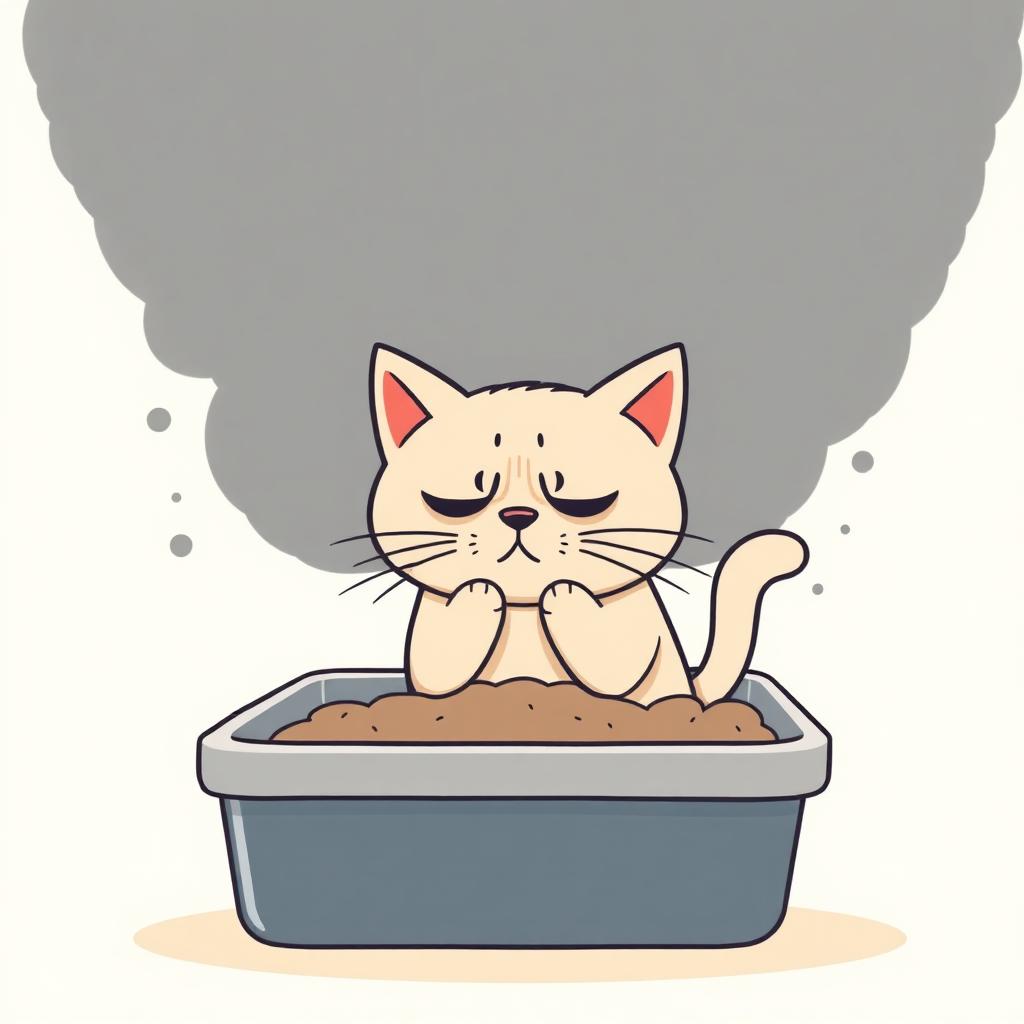
- Your cat sneezes, avoids the box, or seems irritated after litter changes
- Strong litter perfume masks odor for humans but can overwhelm a cat’s nose
- Dust and added scent can aggravate sensitive airways, eyes, or skin
- You are not sure whether the issue is the litter, the box setup, or a medical problem
- Choose an unscented litter with low dust and simple ingredients
- Switch gradually over about a week so your cat does not reject the box
- Keep the box very clean, because fragrance should never do the job of scooping
- If you want a lighter, plant-based option, an unscented formula like NEKO can make sense for sensitive cats
Why some cats do better with fragrance free cat litter
Cats live by their noses. A smell that seems mild to you can be intense to them, especially inside a covered box where scent concentrates close to the face. That is the basic reason fragrance free cat litter often works better for sensitive cats. Added perfume does not just sit in the background. It mixes with urine, feces, moisture, and dust, creating a stronger cloud of odor compounds right where a cat has to stand and breathe. Some cats respond by hesitating, digging less, rushing out of the box, or avoiding it altogether. Others show subtler signs: sneezing after use, watery eyes, over-grooming around the paws, or seeming fussy only after a fresh refill. Fragrance is not automatically harmful, and plenty of cats tolerate scented litter without trouble. The problem is that when a cat is sensitive, perfume adds one more variable that can irritate the airways or skin and make litter box behavior worse. Unscented litter removes that variable. It does not guarantee every issue disappears, but it gives you a cleaner starting point when you are trying to protect comfort, reduce stress, and figure out what your cat can actually tolerate.
How added scent can affect breathing, eyes, and skin
Fragrance can bother cats through simple exposure rather than dramatic allergy. The first route is inhalation. Fine litter dust already hangs in the air for a moment after pouring, scooping, or digging. When that dust carries added scent, your cat inhales both particles and fragrance compounds at once. Sensitive cats may react with sneezing, nasal irritation, or more obvious reluctance to stay in the box. The second route is contact. Litter sticks to paws, fur, and the skin between the toes. A cat that grooms meticulously then licks those residues off, which can amplify irritation around the mouth or lead to repeated paw licking. The third issue is confinement. In a hooded box, a scented litter can become far more concentrated than it smells from a distance in the room. That matters for brachycephalic cats, seniors, and any cat already prone to respiratory sensitivity. None of this means fragrance alone causes disease. It means extra scent can lower the tolerance threshold in a cat that is already a bit reactive. If your cat has a history of sneezing, asthma, watery eyes, skin sensitivity, or stress around the box, reducing perfume exposure is often a sensible first move before you change ten other things at once.
The biggest benefit of unscented litter is better litter box acceptance
Most owners think about odor first. Cats think about safety and predictability. Box acceptance is often where unscented litter helps the most. A cat wants a substrate that feels familiar under the paws and smells neutral enough not to signal danger. Heavy perfume can interfere with that. It may also mask the cat’s own scent markers, which are part of how many cats recognize a box as a known bathroom spot. If the box smells artificial after every top-up, some cats read that as a change in territory rather than a clean reset. This is especially common in multi-cat homes, with anxious cats, or after a move. You may see scratching at the edge instead of digging, perching awkwardly in the box, or choosing laundry and rugs that smell more natural to the cat than the litter does. Unscented litter reduces one common reason for avoidance. It also gives you more reliable feedback. If your cat still resists an unscented, low-dust litter, the problem may be texture, box size, cleanliness, location, pain during urination, or another medical issue. That is useful information. Perfume tends to muddy the picture. Neutral litter makes troubleshooting behavior much easier.
Unscented does not mean odor control is worse
A lot of cat owners buy scented litter because they assume fragrance equals cleanliness. Usually it just means the room smells like perfume layered over urine. Real odor control comes from absorption, clumping performance, moisture management, and scoop frequency. If a litter traps liquid quickly, forms solid clumps, and leaves less damp residue behind, there is less odor to cover up in the first place. Box hygiene matters just as much. Scooping at least once daily, emptying clumps promptly, and washing the box on a regular schedule do more than any added scent can do. The room setup matters too. A box crammed into a small, unventilated closet will smell worse no matter what litter you buy. For many households, an unscented litter with low dust and good clumping ends up smelling better overall because it removes waste odor instead of trying to disguise it. Plant-based litters can also help if they absorb well and stay easy to scoop. An unscented option such as NEKO is reasonable for owners who want fewer added irritants without giving up practical odor control. The key is to judge litter by waste handling and cleanliness, not by how strong it smells straight from the bag.
Which cats are most likely to need an unscented litter
Not every cat needs special litter, but some groups deserve a lower-irritant setup from the start. Kittens are still adjusting to box habits, so a strong fragrance can become a completely avoidable reason for refusal. Senior cats often have less flexibility with change and may already deal with arthritis, reduced grooming ability, or chronic respiratory issues that make a perfumed box less comfortable. Cats with a history of asthma, frequent sneezing, watery eyes, or nasal congestion usually benefit from fewer airborne triggers around the box area. The same goes for cats that over-groom their paws or belly after using the litter tray. Brachycephalic cats, with shorter noses and narrower airways, can be more sensitive to enclosed odor buildup. Newly adopted cats are another group to watch. Stress alone can affect litter habits, so adding a highly scented substrate during the adjustment period is often unhelpful. Finally, if your cat has unexplained litter box avoidance and the vet has ruled out urinary pain, constipation, and infection, unscented litter is one of the easiest environmental changes to test. It is cheap insurance against a common trigger. You are not treating a disease. You are reducing sensory load and giving the cat a setup that is easier to accept.
How to switch litter without creating a new problem
Even a better litter can fail if you change too fast. Cats notice texture, dust level, and smell immediately, and some reject abrupt changes on principle. The safest approach is a gradual mix over about 5 to 7 days, sometimes longer for cautious cats. Start with mostly the old litter and a smaller amount of the new unscented litter. Increase the new portion every day or two while watching your cat’s behavior. If you have space, a side-by-side test can work even better: keep one box with the old litter and one with the new, both in acceptable locations, and see which your cat chooses. During the transition, keep scooping meticulous. A cat is far more likely to accept a new substrate if the box stays consistently clean. Avoid making multiple changes at once. Do not switch litter, move the box, add a liner, and change the cleaning spray in the same weekend. If your cat has had previous box issues, preserve the familiar box style and location while you test the unscented litter. If a plant-based litter is your goal, check whether the pieces are softer or larger than your current substrate, because texture can matter as much as smell. If your cat refuses the new litter despite a gradual switch, that does not prove scented litter is better. It may mean your cat dislikes that specific texture or dust profile.
What to look for beyond fragrance on the label
Unscented is a good start, but it is not the whole checklist. Some litters are fragrance-free and still produce enough dust to irritate a sensitive cat. Others control odor poorly because they absorb slowly or break into mushy clumps that leave residue behind. Start with dust level. Pour the litter slowly into the box and look for a visible cloud. If you can see it, your cat is definitely breathing it. Next, check clumping and tracking. Weak clumps mean more crumbled waste left in the box, which increases odor and can lead owners to overclean with harsh products. Particle size matters too. Very sharp or hard granules can bother tender paws, while extremely light particles can spread through the house and stick to fur. Ingredient simplicity is useful, particularly for cats with known sensitivities. Fewer additives mean fewer potential irritants. Box compatibility also matters. A high-sided open box usually disperses dust and odor more safely than a tight covered box for cats with respiratory issues. Finally, judge real-world performance after a full week of normal use, not after one fresh pour. The right litter should keep the box acceptable to the cat, manageable to scoop, and neutral in odor without needing perfume to hide what better absorption and better cleaning should solve.
When litter is not the real issue
A switch to unscented litter can help a lot, but it should not become a substitute for medical care. If your cat strains to urinate, makes frequent small trips, cries in the box, has blood in the urine, seems constipated, or suddenly starts eliminating outside the box, call your vet. Pain often looks like litter aversion even when the box itself is not the problem. The same is true for coughing, wheezing, open-mouth breathing, or repeated sneezing that does not improve after environmental changes. Those signs deserve proper assessment, especially in cats with suspected asthma or chronic upper airway disease. Skin issues also have many causes. Paw licking after litter use can relate to fragrance, but it can also come from infection, allergies unrelated to litter, or stress behavior. Think of fragrance-free litter as one practical part of a broader low-irritant setup. It helps you remove a common trigger and observe what changes. If symptoms improve, good. If they do not, you have still gathered useful information and made the environment simpler for your vet to evaluate. The sensible goal is not to assume every problem is caused by perfume. It is to stop forcing a sensitive cat to use a small box filled with unnecessary scent and then act surprised when the cat objects.
Common questions
Is fragrance free cat litter better for cats with allergies?
It can be a better choice, especially for cats with respiratory sensitivity, sneezing, watery eyes, or skin irritation around the paws. Fragrance is not the only possible trigger, but removing added scent lowers the overall irritant load. A low-dust, unscented litter is usually the best starting point.
Does unscented cat litter control odor well enough?
Yes, if the litter absorbs moisture well and forms solid clumps. Good odor control comes from absorption and frequent scooping, not perfume. Scented litter often masks odor rather than solving it. A clean box with effective unscented litter usually smells better than a dirty box with added fragrance.
How do I know if scented litter is bothering my cat?
Watch for sneezing after box use, hesitating before entering, rushing out of the box, less digging, paw shaking, over-grooming, watery eyes, or sudden box avoidance after a litter change. These signs are not proof, but they are enough reason to try an unscented, low-dust alternative.
How long does it take to switch to unscented litter?
Many cats can transition over about 5 to 7 days, though cautious cats may need longer. Mix a small amount of the new litter into the old, then increase it gradually. If your cat is very particular, offering two boxes side by side can make the change smoother.
Should I use a covered box with a sensitive cat?
Usually an open box is the safer option for cats with respiratory sensitivity. Covered boxes trap odor, dust, and fragrance close to the face. If your cat strongly prefers a hooded box, keep it extra clean and use an unscented, low-dust litter to reduce buildup inside.
One switch. Four problems, gone.
Start a NEKO subscription and get your first 7L bag for 40% off. Free shipping, delivered every 4–6 weeks. Skip, pause, or cancel anytime.