Wheat vs Paper Cat Litter: Which Is Better for Daily Cleanup and Comfort?
Compare wheat and paper litter in terms of texture, odor control, absorbency, and how easy each is to manage.
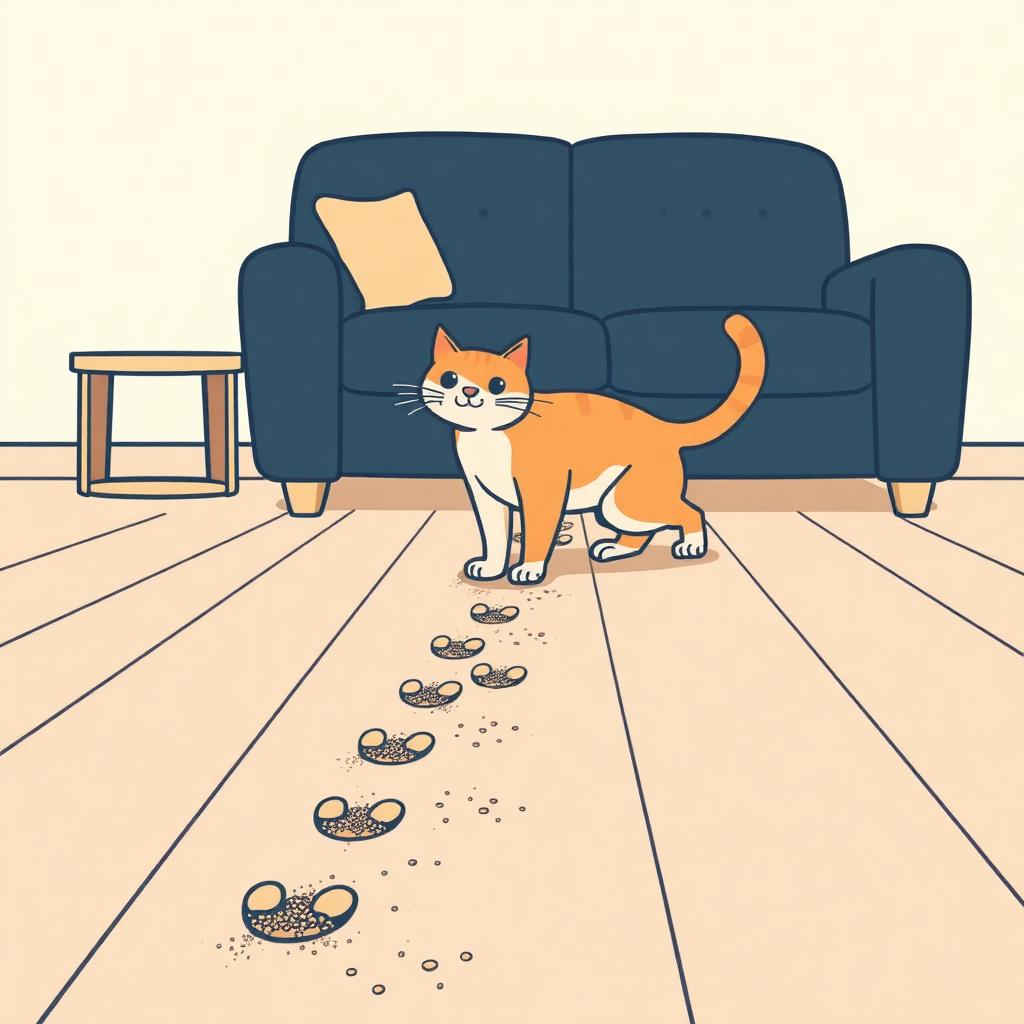
- The litter looks eco-friendly, but daily scooping turns into a soggy, dusty, or smelly chore.
- Your cat may reject a litter that feels too coarse, too soft, or too unfamiliar underfoot.
- Odor can build fast when the litter absorbs moisture but does not trap waste tightly.
- Some litters track, flatten, or break down in ways that make the box harder to keep clean.
- Match the litter to your real priority: easier scooping, softer paw feel, lower dust, or stronger odor control.
- Use a gradual switch over several days so your cat can adjust to the new texture without avoiding the box.
- If daily cleanup matters most, choose a litter that forms clear clumps instead of saturated patches that need scraping.
- If you want a plant-based option with firmer clumping and easy maintenance, NEKO is worth considering.
What cat owners usually mean when they compare wheat vs paper litter
Most people searching wheat vs paper litter are not debating ingredients for the sake of it. They are trying to solve a daily problem: which one is easier to live with in a real home, with a real cat, and a real litter box that needs attention every day. Wheat litter is typically a plant-based, granulated litter that absorbs moisture and often clumps. Paper litter is usually made from recycled paper and comes either as pellets or as a softer, crumb-like form. That difference changes almost everything. Wheat often behaves more like traditional scoopable litter, while paper usually behaves more like an absorbent bedding material. If your top concern is quick scooping, the category tends to favor wheat because clumps can be removed before urine spreads through the box. If your cat has sensitive paws, recent surgery, or a strong dislike of gritty litter, paper can be more comfortable, especially in pellet form when dust is a concern. The tradeoff is that paper often controls odor less aggressively and can become heavy or mushy once saturated. The better choice depends less on marketing claims and more on your cat’s habits, your cleaning routine, and how much mess you are willing to manage.
Texture and paw comfort: why cats often choose with their feet
Texture is not a minor detail. It is one of the first reasons a cat accepts or rejects a litter. Wheat litter is usually smaller-grained and closer in feel to the sand-like texture many cats naturally prefer for digging and covering. That matters because cats tend to like a surface they can move easily with their paws. A finer texture also helps some cats feel more secure about covering waste, which can reduce hesitation and box avoidance. Paper litter feels very different. Pelleted paper is larger, rounder, and less diggable. Some cats tolerate it without issue, but others step in, decide it feels odd, and walk out looking offended. Softer paper granules can be gentler than pellets, but they still do not mimic a fine mineral or grain litter very well. On the other hand, paper has a real comfort advantage for cats with healing wounds, declawed paws, arthritis, or respiratory sensitivity where low dust matters. It is often softer in the practical sense that it does not create gritty residue. If your cat is healthy and picky, wheat usually has the edge on familiarity. If your cat needs a low-irritation surface, paper may be the better compromise, even if it is not the cat’s first choice.
Odor control works differently in each litter, and that matters by day two
Odor control is where the chemistry of the litter starts to matter. Wheat litter usually manages odor by absorbing liquid quickly and, in many formulas, forming clumps that isolate urine before it spreads. When waste is trapped in a smaller, removable mass, less of the box stays damp, and dampness is what gives odor room to settle in. Some plant-based litters also do a decent job of reducing smell simply because they can be scooped thoroughly and often. Paper litter handles odor in a different way. It absorbs liquid, but many paper litters do not clump tightly, so urine can disperse through a wider area of the box. The paper then holds moisture until the full box is changed or heavily stirred, which can leave a stale smell sooner than many owners expect. Solid waste can also sit more exposed on top of pellets instead of being buried cleanly. That does not make paper bad. It makes it higher maintenance if smell is your biggest complaint. In single-cat homes with frequent box changes, paper can be perfectly manageable. In small apartments, covered boxes, or homes where scooping happens once a day rather than immediately, wheat usually has a clearer advantage because odor stays more localized and easier to remove.
Absorbency and clumping decide whether cleanup is simple or annoying
Daily cleanup is less about how much liquid a litter can technically absorb and more about what happens after it absorbs it. Wheat litter often forms scoopable clumps, which is useful because it lets you remove both the moisture and the odor source in one pass. Good clumps stay intact when lifted, so you are not chasing damp crumbs around the tray. That means less topping off, less scraping, and fewer muddy patches glued to the bottom of the box. Paper litter can absorb a lot, but absorbency without structure has limits. Pellets may swell and soften. Softer paper litters may compress into wet masses that are harder to separate cleanly from dry material. Instead of one quick scoop, you may end up stirring, sifting, or replacing larger portions of the box. That is the practical difference. If your routine is built around fast morning and evening scoops, clumping usually wins. If your priority is simply soaking up liquid in a recovery setup, absorbent paper can do the job. For owners who want a plant-based litter that behaves more like a true daily scoop litter, wheat is often closer to the mark. That is also why some people eventually move toward other plant-based clumping options, including tofu litter such as NEKO, when they want neater clumps and easier maintenance.
Dust, tracking, and box mess: the hidden tradeoffs you notice after a week
A litter can smell fine and still be annoying if it ends up all over the floor. Wheat litter and paper litter create different kinds of mess. Wheat is often lower dust than many clay litters, but it can still shed fine particles, especially as the granules break down over time. Those particles may track on paws and stick lightly to fur if the box gets damp. Tracking tends to be more noticeable with smaller grains because they are easier to carry out of the box. Paper pellets usually track less because they are bigger and heavier. That sounds like a clean win until they start softening. Once wet, pellets can flatten or fray, leaving bits in the box and sometimes around it. Crumb-style paper litter can also scatter more than owners expect. Dust is another area where paper often performs well, particularly for cats with respiratory issues or for owners cleaning in tight spaces with poor ventilation. Still, low dust does not automatically mean low mess. A litter mat helps both types, but the pattern differs: wheat often leaves a trail of small pieces, while paper leaves fewer pieces that may be bulkier or become soggy. If you hate sweeping grains, paper may frustrate you less. If you hate scraping wet breakdown from the pan, wheat often feels cleaner in practice.
Which litter is better for kittens, seniors, and cats with medical needs
The best litter changes when the cat in question is very young, older, or recovering. For kittens, the safest choice is often the one your veterinarian or rescue already recommends, because consistency matters and young cats can be chaotic in ways no bag label fully prepares you for. Texture still matters, though. Many kittens prefer fine, diggable litter, which can make wheat easier to accept than paper pellets. For seniors, comfort and stability become more important. Arthritic cats may dislike stepping on large pellets if they shift underfoot, while a finer wheat litter may feel easier to use. At the same time, some older cats are more sensitive to dust or smell, so the decision is rarely one-note. For post-surgery recovery or skin irritation, paper is commonly chosen because it is soft, low dust, and less likely to cling to wounds than a finer granular litter. In those situations, ease of scooping is not the first priority. Healing is. Multi-cat homes introduce another variable: volume. When several cats use the same boxes, non-clumping paper can become overwhelmed quickly, and odor builds faster. Clumping plant-based litters tend to be easier to keep stable between full changes. If your home includes a healthy adult cat and your main goal is routine convenience, wheat usually fits better. If you are managing temporary medical care, paper often earns its keep.
How to switch from paper to wheat, or from wheat to paper, without box drama
Cats are not famous for embracing change with grace. If you swap litters overnight, even a normally easygoing cat may protest by holding urine, hovering over the box, or choosing a rug that cost more than your dignity. A gradual transition is usually safer. Start by mixing a small amount of the new litter into the old one for a few days. Then increase the proportion steadily over about 5 to 7 days if your cat is coping well. For very picky cats, slower is better. Keep the litter depth familiar because texture is only one variable; changing depth and scent at the same time can make the box feel completely different. Scoop frequently during the switch so the new litter is associated with a clean box, not a confusing one. If you are moving from paper pellets to wheat, expect more digging and possibly more tracking at first because the cat may suddenly feel invited to bury waste with enthusiasm. If you are moving from wheat to paper, some cats need a second box with the old litter available for reassurance. Watch for signs of avoidance, especially repeated visits to the box without using it. If your goal is easier cleanup and stronger clumping, a plant-based litter with a more consistent granular feel, including tofu options like NEKO, can sometimes make the transition smoother than a jump to bulky pellets.
How to choose based on your home, not just the bag copy
The right litter is usually the one that matches your home setup. In a small apartment, odor control and scoopability matter more because smells have nowhere to hide. Wheat often performs better there because clumps can be removed quickly and the remaining litter stays drier. In a larger home with a laundry-room box and frequent full changes, paper may be perfectly workable, especially if low dust is high on your list. Think about the box style too. High-sided and covered boxes tend to trap humidity, which can make non-clumping paper smell tired faster. Open boxes ventilate better but may reveal tracking more clearly. Household schedule matters just as much. If someone scoops after every use, either litter can be manageable. If scooping happens once daily, or occasionally gets missed because life is life, clumping litter gives you more margin for error. Also consider your cat’s coat and paws. Long-haired cats may carry fine particles differently than short-haired cats, and larger cats can crush paper pellets faster than petite ones. One practical rule helps: choose the litter that fails in the least annoying way for your household. If you would rather vacuum a few grains than replace a soggy tray early, lean wheat. If you would rather tolerate weaker odor control than deal with dust or gritty residue, lean paper.
Common questions
Is wheat vs paper litter better for odor control?
Usually wheat. The reason is not just the material itself, but the way many wheat litters clump and isolate urine so it can be removed before odor spreads. Paper litter absorbs moisture well, but if it does not clump, damp areas stay in the box longer and can start to smell sooner. In homes where scooping is not constant, wheat often has the advantage.
Do cats prefer wheat litter or paper litter?
Many cats prefer wheat because the texture is finer and easier to dig in. It feels closer to the loose, scoopable surface cats often like for covering waste. Paper pellets can be acceptable, especially for calm or adaptable cats, but some cats dislike the larger shape under their paws. Medical needs can change that preference, though.
Is paper litter safer after surgery or for sensitive paws?
Often yes. Paper litter is commonly used during recovery because it is low dust, soft, and less likely to stick to healing areas than finer granular litters. It can also be useful for cats with skin irritation or respiratory sensitivity. The tradeoff is that it may require more frequent changing because odor control and cleanup are usually less efficient.
Which is easier to scoop: wheat or paper cat litter?
Wheat is usually easier if it forms solid clumps. You can remove waste in smaller, cleaner scoops without replacing as much fresh litter. Paper litter, especially pellets, often needs more stirring or larger partial changes because wet spots spread or soften rather than lifting out neatly. If simple daily maintenance is your top goal, wheat tends to be the easier option.
What if I want something plant-based but neater than wheat or paper?
That is when many owners look at other plant-based clumping litters. Tofu litter is a common next step because it can offer firmer clumps, low dust, and easier day-to-day cleanup while staying plant-based. If your main complaints are tracking, weak clumps, or messy wet spots, a tofu litter like NEKO may be a more practical fit than either wheat or paper.
One switch. Four problems, gone.
Start a NEKO subscription and get your first 7L bag for 40% off. Free shipping, delivered every 4–6 weeks. Skip, pause, or cancel anytime.