Can Cat Litter Dust Trigger Human Allergies or Asthma?
This article covers how litter dust can affect people in the home and practical ways to lower exposure.
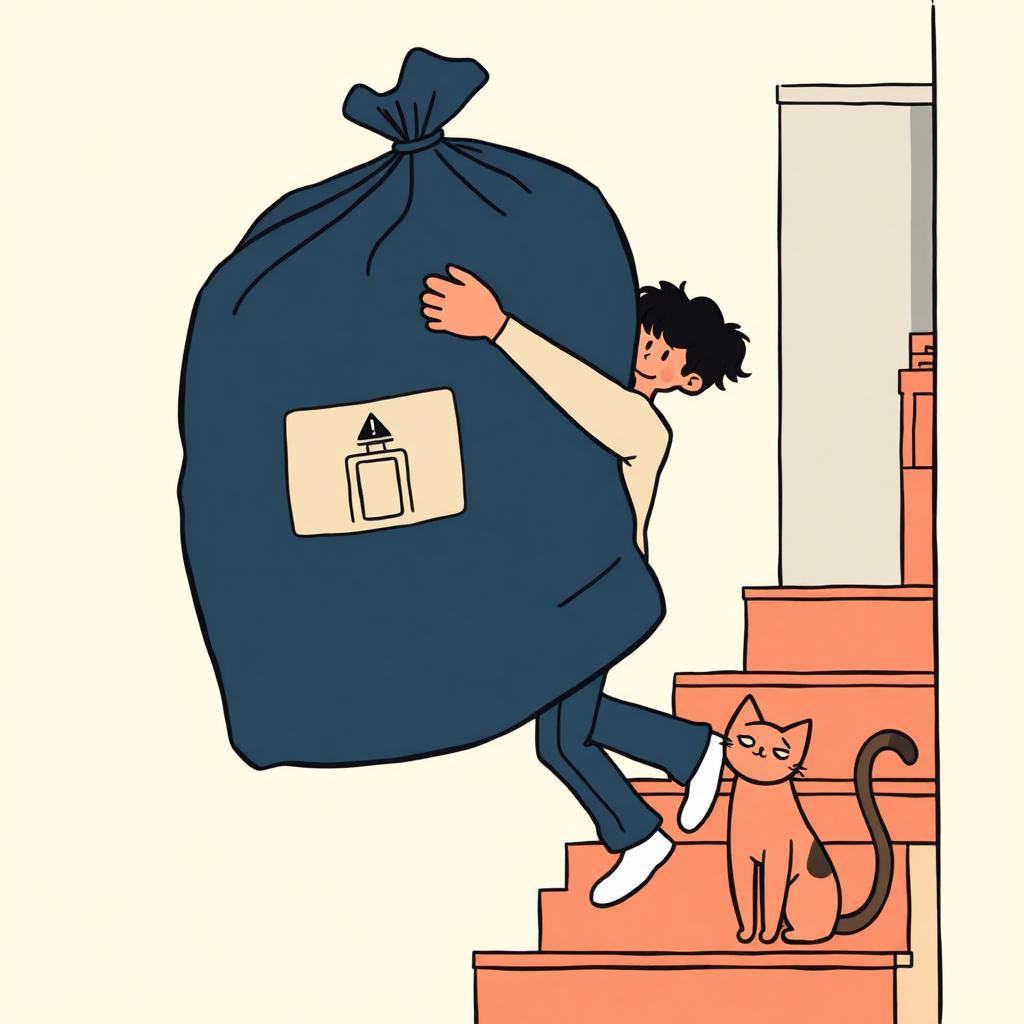
- Sneezing, itchy eyes, coughing, or wheezing after scooping the box
- Dust clouds from clay litter spreading through small rooms and HVAC airflow
- Confusion over whether the reaction is from the litter, the cat, or both
- Asthma symptoms flaring during litter changes or heavy digging
- Switch to a genuinely low-dust litter and pour it slowly to reduce airborne particles
- Scoop daily and replace litter on a schedule so fine waste particles do not build up
- Use ventilation, an air purifier, and careful box placement away from beds and vents
- If dust is a recurring issue, a low-dust plant-based option like NEKO may help lower exposure
Why cat litter dust bothers some people and not others
Cat litter dust allergies are usually not a true allergy to the dust itself. Most people react to what rides on the dust: tiny particles of litter material, dried urine residue, bits of feces, environmental allergens, and cat proteins such as dander that settle in and around the box. When those particles become airborne, they can irritate the nose, throat, eyes, and lungs. For someone with allergic rhinitis, asthma, eczema, or generally sensitive airways, that irritation can be enough to trigger real symptoms. The reason one person in a home feels miserable while another feels fine often comes down to airway sensitivity, how much time they spend near the box, and the kind of litter being used. Fine, powdery litters tend to travel farther and stay suspended longer. Small bathrooms, laundry rooms, and closets make things worse because the dust concentration rises quickly. The box may also sit near an HVAC return or a doorway where foot traffic keeps particles moving. If you sneeze only when scooping, the litter is a likely contributor. If you have symptoms all over the house, the issue may be a mix of litter dust, cat dander, and poor air circulation.
Is it an allergy, an irritant, or an asthma trigger
Those are three related but different problems. An allergy involves the immune system. Typical signs include sneezing, a runny or stuffy nose, itchy eyes, and postnasal drip. An irritant reaction is more mechanical. Fine dust dries and inflames delicate tissue in the nose, throat, and eyes, even if you are not truly allergic. Asthma is a lower-airway issue. Dust exposure can trigger coughing, chest tightness, shortness of breath, or wheezing in people whose airways are already reactive. That matters because the solution is not always the same. Antihistamines may help an allergic reaction but do little for airway irritation from powdery litter. An inhaler may calm asthma symptoms but will not solve the source of exposure. The easiest clue is timing. If symptoms start when you pour fresh litter, top off the box, or scoop clumps, airborne particles are likely involved. If symptoms flare mainly when the cat uses the box and then tracks litter around the house, you may be dealing with a broader contamination problem. For any person with diagnosed asthma, repeated litter dust exposure should be taken seriously. Even mild, frequent irritation can make airways more twitchy over time, and that raises the odds of future flares.
What in the litter box becomes airborne
People tend to blame the visible puff of dust, but the most irritating particles are often the ones you barely see. Clay litters can release very fine mineral particles during pouring, digging, and scooping. Scented litters add another layer because fragrance compounds can irritate sensitive noses and lungs, especially in enclosed spaces. Then there is the biology of the box itself. As urine and stool dry, microscopic residue can attach to litter fines and rise into the air when the cat scratches. Cat dander also settles in the box area because the cat is there often, turning around, digging, and brushing against the edges. In homes with pollen, mold spores, or household dust, the litter area can act like a catch basin. The box becomes a mixing bowl for particles you did not intend to breathe. Moisture level matters too. Overly dry litter rooms encourage dust, while excessive humidity can break down some litters into fines. The age of the litter matters as well. A fresh bag may seem dusty, but an old box can be worse because repeated digging creates more broken particles over time. That is why two boxes filled with the same product can behave very differently depending on room conditions, scooping habits, and how long the litter has been sitting.
How to tell whether the box is the real source of your symptoms
A simple pattern check can save a lot of guessing. Start by noticing where and when symptoms show up. If you cough or sneeze within minutes of scooping, pouring, or walking into the litter room, that is a strong signal. If your eyes burn after the cat has a vigorous digging session, same story. Compare that with symptoms that happen when petting the cat, sitting on upholstered furniture, or waking up in bed. Those point more toward cat dander in general, not specifically litter dust. You can also look at the room itself. Do you see a film on nearby surfaces, the top of the box, or the floor mat? Does bright light reveal floating particles after you clean? Those are practical clues, not guesswork. Try one controlled change at a time for about a week: move the box away from vents, switch from scented to unscented, or change to a lower-dust litter. If symptoms ease, you have your answer. Avoid changing five things at once or you will not know what worked. If someone in the home has moderate to severe asthma, do not run experiments by exposing them. Have the less sensitive person handle litter duty during the test period, or use a mask and ventilation while making changes.
The most effective ways to reduce litter dust at home
The biggest improvement usually comes from three moves: choose a lower-dust litter, handle it gently, and control airflow around the box. Pour litter slowly, close to the box, rather than dumping it from height. That single habit can cut the dust cloud dramatically. Scoop at least once a day so urine-soaked granules and crumbling waste do not keep breaking down into fines. Replace old litter before it turns into a powdery mix. Use an unscented formula whenever possible because fragrance is a common irritant layered on top of dust. Box placement matters more than people think. Keep it away from bedroom doors, HVAC returns, and narrow spaces where air stagnates. If you can, place a small air purifier nearby but not so close that it blows directly across the box and kicks particles up. A covered box is not a universal fix. It may trap some dust, but it can also concentrate airborne material inside the box and create a stronger plume when the cat exits or when you open the lid. Some cats also dislike covers and will avoid the box. If dust is your main concern, a low-dust plant-based litter such as tofu-based litter can be useful because it typically creates fewer fine airborne particles than very powdery options.
Why litter material makes a difference
Not all litter dust behaves the same way. The material, granule shape, moisture handling, and how the litter breaks down all affect what ends up in the air. Fine clay tends to be the classic problem because it can generate powder during transport, pouring, and digging. Crystal litters may produce less visible dust for some households, but some people find the particles or added scents irritating. Paper and wood can be lower in airborne dust depending on the cut and processing, though pellets can track differently and may not suit every cat. Tofu litter is worth mentioning because the granules are usually larger and less chalky than dusty clay, which can mean less airborne mess during normal use. That does not make any litter literally dust-free. Every litter creates some particles over time, especially as cats dig and as granules wear down. The practical goal is lower dust, not marketing fantasy. Cats also get a vote. A litter that seems perfect for your sinuses is not useful if your cat refuses it. The sweet spot is a litter your cat accepts, your home can manage, and your lungs can tolerate. If you are switching for health reasons, make the change gradually over several days so your cat does not reject the box out of surprise.
Special cases: children, asthma, pregnancy, and very small homes
Some households need stricter litter hygiene than others. Children breathe more air relative to their body size and often play close to the floor, where tracked litter and settled particles collect. People with asthma may react to exposures that other family members barely notice. In very small apartments, one dusty box can affect the entire home because there is little separation between the litter area, sleeping space, and living space. Pregnancy adds another reason to be careful around litter, though the main concern there is usually toxoplasmosis from feces rather than dust itself. The practical advice is still useful: avoid unnecessary exposure, scoop promptly, wash hands well, and have another person handle litter when possible. For asthma, prevention beats treatment. Do not wait for wheezing to prove that a litter is a bad fit. If a person in the home needs a rescue inhaler more often after a litter change, treat that as a warning sign. In a studio or one-bedroom setup, use ventilation whenever scooping, keep the box far from the bed, and clean the surrounding floor frequently with methods that trap dust rather than scatter it. Dry sweeping can send particles right back into the air. A vacuum with good filtration or damp cleaning is usually the smarter choice.
Advanced ways to keep the litter area low dust long term
Once the obvious fixes are done, the next gains come from maintenance and setup. Use a box large enough for the cat to turn comfortably without launching litter over the sides. Overfilled boxes cause more digging and more dust, so follow a sensible fill depth rather than piling it high. Keep a dedicated scoop nearby and clean it regularly; dirty tools spread residue that dries into airborne particles later. Wash the box on a schedule because old residue on the walls and base can dry, flake, and mix with fresh litter. A tracking mat can help keep particles contained, but choose one that is easy to clean instead of one with grooves that become a dust reservoir. If the room has a fan, aim it to vent air out rather than across the box. Relative humidity can also change dust behavior. Extremely dry indoor air tends to make powder problems worse, especially in winter. Finally, pay attention to your refill routine. Topping off forever is convenient, but it leaves old fines at the bottom. Periodic full replacement matters. If you are choosing a new litter specifically to reduce exposure, test it on real-life conditions: pouring, scooping, cat digging, and tracked debris a few feet away. A genuinely low-dust option, including some tofu litters like NEKO, should feel noticeably cleaner during those moments, not just on the bag.
Common questions
Can cat litter dust cause allergy symptoms in humans
Yes. Cat litter dust allergies are often reactions to particles carried in the dust, including litter fines, dried waste residue, fragrance, and cat dander. Common symptoms are sneezing, itchy eyes, congestion, coughing, and throat irritation. Some people are reacting to an irritant rather than a true allergy, but the result can feel very similar.
Can cat litter dust trigger asthma
It can. In people with asthma or sensitive airways, litter dust may trigger coughing, wheezing, chest tightness, or shortness of breath, especially during pouring or scooping. Scented litter can make this worse. If asthma symptoms increase after litter duty, reduce exposure quickly and speak with a clinician if symptoms are recurrent.
How do I know if I am allergic to the litter or to my cat
Look at timing and location. If symptoms spike during scooping, pouring, or standing near the box, litter dust is likely involved. If symptoms happen while petting the cat, sitting on furniture, or in rooms far from the box, cat dander is a stronger suspect. Many homes have both issues at once.
What type of litter is best if dust bothers me
Unscented, genuinely low-dust litter is the safest place to start. Very fine, powdery litter tends to be the most troublesome. Some plant-based litters, including tofu litter, are often better tolerated because they usually create fewer airborne fines during normal use. The best choice is one your cat accepts and that stays low dust in real-world handling.
Does a covered litter box reduce dust
Sometimes, but not always. A cover may contain some particles, yet it can also trap dust inside and release a concentrated puff when the cat exits or when you open it to scoop. Some cats dislike covered boxes too. Good ventilation, low-dust litter, and careful pouring usually matter more than the lid.
One switch. Four problems, gone.
Start a NEKO subscription and get your first 7L bag for 40% off. Free shipping, delivered every 4–6 weeks. Skip, pause, or cancel anytime.