Grass vs Silica Cat Litter: A Practical Guide to Smell, Dust, and Tracking
Learn how grass and silica litter compare on clumping, odor retention, dust, and the mess they leave around the box.
- The box still smells even when you scoop every day
- Dust clouds bother sensitive cats, people, or both
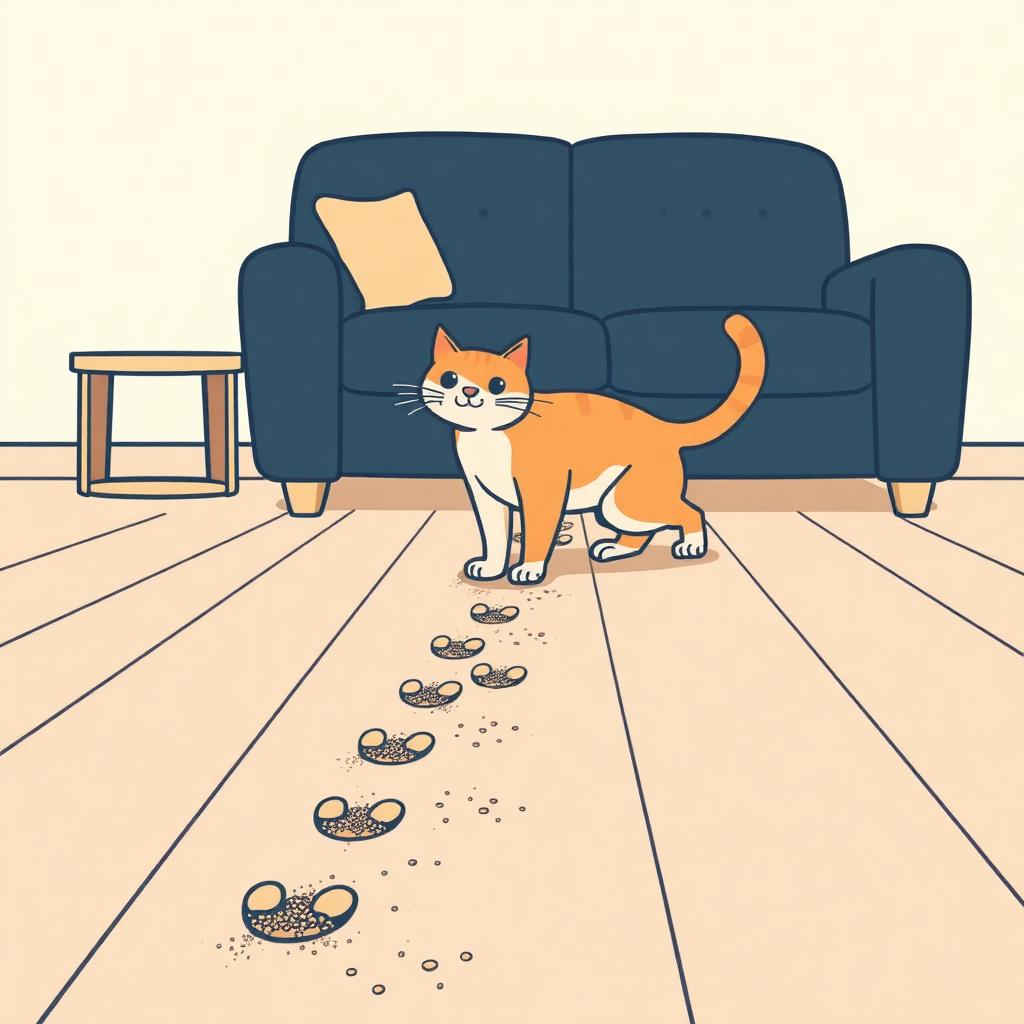
- Litter gets tracked across floors, rugs, and beds
- One litter works for odor but fails on clumping or comfort
- Match litter type to the problem first: odor, dust, tracking, or clump strength
- Use box setup and scoop timing to get better performance from either material
- Choose a low-dust, plant-based clumping litter if your cat dislikes sharp crystals
- If you want a softer natural option, NEKO’s tofu litter is worth considering for low dust and easy scooping
How grass and silica litter differ in real use
The easiest way to think about grass vs silica litter is this: grass litter usually behaves like a soft, lightweight clumping litter, while silica litter behaves like a moisture-absorbing mineral with stronger drying power and a very different feel underfoot. That difference affects almost everything a cat owner cares about. Grass litter is typically made from plant material and forms scoopable clumps when urine hits it. Silica litter is usually sold as crystals or granules that absorb moisture into pores rather than creating the same kind of dense clump you get from plant or clay litters. In practice, grass often wins on comfort, biodegradability, and a more familiar litter-box texture. Silica often wins on moisture absorption and can stay dry-looking longer between full changes, especially in single-cat homes. But “better” depends on what goes wrong in your house. If your main problem is a cat that rejects crunchy textures, grass is usually easier. If your main problem is a box that smells damp and sour fast, silica may hold odor longer. If your main problem is litter all over the hallway, both can track, just in different ways. The useful comparison is not which one sounds more advanced. It is which one fits your cat’s feet, your nose, and your cleaning habits.
Odor control comes down to absorption, not marketing
Odor control is mostly a chemistry and moisture problem. Urine smells worse when it sits, spreads, and breaks down in a damp box. Silica litter controls smell by pulling liquid into porous crystals and reducing surface moisture. That can delay the wet, ammonia-heavy smell that builds up when urine stays exposed. This is why many people notice that silica boxes look drier for longer. Grass litter controls odor differently. It relies on fast clumping and moisture capture in the clump itself, so odor leaves the box only if clumps are weak, left too long, or broken apart during scooping. A good grass litter can smell cleaner day to day because you remove the urine mass entirely rather than waiting for crystals to saturate. The catch is maintenance. Silica often asks for stirring and periodic replacement once the crystals are spent. Grass asks for regular scooping and enough litter depth to form solid clumps. For stool odor, the material matters less than how quickly you scoop. No litter fully solves uncovered stool or a cat that buries poorly. In multi-cat homes, silica can lose its edge faster because more urine hits the same area. In those homes, a strong clumping litter often feels easier to manage because waste leaves the box instead of accumulating inside the litter bed.
Clumping performance changes the entire cleaning routine
Clumping sounds like a narrow feature until you have to clean a box twice a day. Grass litter generally forms scoopable clumps, but the quality varies with granule size, litter depth, and how long you wait before scooping. If the litter bed is too shallow, urine reaches the bottom and creates a sticky layer. If you scoop too early, the clump may still be fragile. Give it a little time and grass litter usually becomes easier to lift in one piece. Silica litter is less consistent here because many crystal litters are not true clumpers. They absorb urine and hold it in the crystal bed, which means you often remove feces daily but replace the full litter charge less frequently. Some people like that routine. Others hate the idea that urine remains in the box until change day. The practical difference is simple. Clumping litters give you visible waste removal. Non-clumping or weak-clumping systems trade that for moisture storage. For owners who want the box to feel reset after each scoop, grass has a clear advantage. For owners who forget to scoop urine clumps or prefer a lower-touch system, silica may suit better, provided the cat accepts the texture. If your cat has long fur, weak clumps are especially annoying because damp granules stick more easily to paws and leg fur after use.
Dust is not just messy; it affects comfort and box avoidance
Dust matters more than people think. Fine litter dust settles on floors, coats furniture, and can irritate cats that already have sensitive airways or eyes. It is also one of the fastest ways to make a litter room feel dirty even when you are cleaning often. Grass litter is usually marketed as low dust, and many formulas are. But “low dust” depends on how the litter is processed, how much fine powder sits at the bottom of the bag, and how aggressively you pour it. Lightweight plant litters can also break down with heavy digging, creating more fine particles over time. Silica litter usually produces less traditional powder than some clay litters, but it is not automatically dust-free. Crystal fragments can chip, and some cats kick them hard enough to create fine debris around the box. Texture matters here too. Many cats walk more softly on soft plant granules than on sharper crystals, which can reduce aggressive scratching and litter scatter. If your cat sneezes around the box, starts perching on the rim, or refuses a freshly poured box, pay attention to the material. Those are practical signs that the feel or airborne particles are a problem. For households prioritizing low dust and a softer texture, plant-based options often make more sense, and tofu litters such as NEKO can be a useful middle ground if grass formulas feel too light or track too much.
Tracking: why both litters escape the box in different ways
Tracking is not just about particle size. It is a mix of shape, weight, paw texture, fur length, static, and how your cat exits the box. Grass litter is often lightweight, which helps with carrying and pouring, but also makes it easier for small pieces to hitch a ride on paws. If your cat launches out of the box like it owes rent, lightweight litter tends to travel. Silica crystals track differently. Larger crystals may not stick as easily, but when they do escape, they are more noticeable under bare feet and can migrate farther across hard floors. Small crystal formats can behave more like gritty sand and spread widely. High-sided boxes and covered boxes can reduce scatter from digging, but they do less for litter attached to paws. The best fix is usually at the exit: a large mat with enough texture to knock particles loose, placed where the cat actually lands rather than where you wish it would. Keep the box filled to the recommended depth too. Too little litter encourages cats to scrape the bottom and fling more material. Long-haired cats may need a trim around the paw pads and rear if litter consistently clings. If tracking is your biggest complaint, test not just the material but the pellet or granule shape. Rounded, slightly heavier plant litters often leave less mess than very fine, fluffy formulas.
Cat acceptance can outweigh every technical advantage
A litter can be excellent on paper and still fail if your cat dislikes the feel, smell, or noise. This is where silica often runs into resistance. Many cats tolerate crystals, but some clearly dislike stepping on angular, crunchy pieces, especially kittens, seniors, and cats with tender joints or sore paws. You may see them balancing on the edge of the box, making unusually quick trips, or eliminating beside the box instead. Grass litter usually feels softer and more familiar to cats used to fine clumping litters. That softer texture can make transition easier when switching away from dusty clay. Scent also matters. Unscented options are usually the safer bet because many cats prefer a neutral box. Human noses often want perfume; cats usually do not. If you are comparing grass and silica for a picky cat, acceptance should come before theoretical odor performance. A cat that avoids the box turns a litter decision into a behavior problem very quickly. The safest transition method is gradual: start with mostly current litter, then increase the new one over about a week, slowing down if your cat hesitates. Watch behavior, not just whether the box gets used. If your cat digs less, covers less, or leaves the box fast, that is useful feedback. Comfort is not a luxury feature. It is part of litter performance.
Which homes do better with grass, and which suit silica
Grass litter tends to work best in homes that value frequent scooping, softer texture, and a more natural material profile. It is especially practical for owners who want visible waste removal, prefer clumps over full-box urine storage, or have cats that dislike coarse litter. It also fits households where the box is in a bedroom, office, or other space where dust and texture are noticed quickly. Silica litter tends to fit households that want strong moisture absorption, less frequent full changes, and a drier-looking box between cleanouts. It can work well for a single adult cat with good box habits and owners who do not mind stirring or replacing the full tray once the crystals are spent. Multi-cat homes are more complicated. High urine volume can saturate silica faster and make the box smell stale before change day. In those homes, dependable clumping is often easier to stay on top of. Climate matters too. In humid rooms, any litter can struggle if the box is poorly ventilated. Box type matters as well. Covered boxes trap some odor for people, but they also trap moisture, which can make both grass and silica perform worse over time. If you are comparing these two because neither sounds ideal, that is not unreasonable. Many owners end up preferring a denser plant-based litter, such as tofu, because it offers clumping with less crunch and often less dust than crystal formats.
How to get better results from either litter type
Most litter complaints are partly setup problems. Start with enough depth. A shallow litter bed is one of the fastest ways to create odor, weak clumps, and tray-bottom sludge. Scoop stool quickly and urine consistently. Even silica benefits from regular maintenance because trapped waste odors do not improve with optimism. Place at least one box in a quiet, low-traffic spot and keep food and water separate from the litter area. Wash the box with mild soap and warm water when changing litter, but skip heavily scented cleaners that can leave residue. If grass clumps are breaking, increase depth slightly and wait a bit longer before scooping. If silica starts smelling before it looks saturated, stir the crystals and check whether the box is simply too small for the cat or the household. A large box reduces crowding and keeps wet zones from concentrating in one corner. For tracking, use a bigger mat and vacuum around the box more often than you think you should. It is less glamorous than changing litters, but often more effective. If dust or texture remains a problem after these fixes, move to a different material rather than forcing the issue. A litter that your cat accepts and that you can maintain consistently will always beat a theoretically superior product that turns daily cleaning into a small act of resentment.
Common questions
Is grass vs silica litter better for odor control?
It depends on the type of odor problem. Silica often handles urine moisture very well and can keep the box drier for longer. Grass litter can control odor just as well if it forms solid clumps and you scoop regularly, because the waste leaves the box entirely. For stool odor, fast scooping matters more than the material.
Which litter tracks less, grass or silica?
Neither is automatically low-tracking. Grass litter is usually lighter, so small pieces can stick to paws and spread easily. Silica crystals may stick less, but escaped crystals are more noticeable and uncomfortable underfoot. Tracking is often improved more by granule shape, litter depth, and a good exit mat than by material alone.
Is silica litter safe for cats with sensitive paws?
Some cats do fine with silica, but others dislike the sharper, crunchier feel. Cats with arthritis, paw sensitivity, recent nail trims, or a history of box avoidance may prefer a softer litter. If your cat perches on the edge, digs less, or seems reluctant to enter the box, texture may be the issue.
Does grass litter clump better than silica?
Usually, yes. Most grass litters are designed to form scoopable clumps, while many silica litters absorb moisture without making dense clumps. If you want to remove urine waste daily rather than replacing a saturated tray later, grass is generally the more practical option.
What is the best litter if I want low dust and easy scooping?
A low-dust plant-based clumping litter is often the best place to start. Grass can work well if the formula forms firm clumps and does not break down into fines. If you want a denser texture with easy scooping, tofu litter is also worth considering. NEKO fits that lane honestly: soft on paws, low dust, and simple to remove in clumps.
One switch. Four problems, gone.
Start a NEKO subscription and get your first 7L bag for 40% off. Free shipping, delivered every 4–6 weeks. Skip, pause, or cancel anytime.