How to Tell Whether a Health Change Is Related to Cat Litter
Use a practical checklist to separate litter-related irritation from symptoms that suggest a medical problem needing veterinary care.
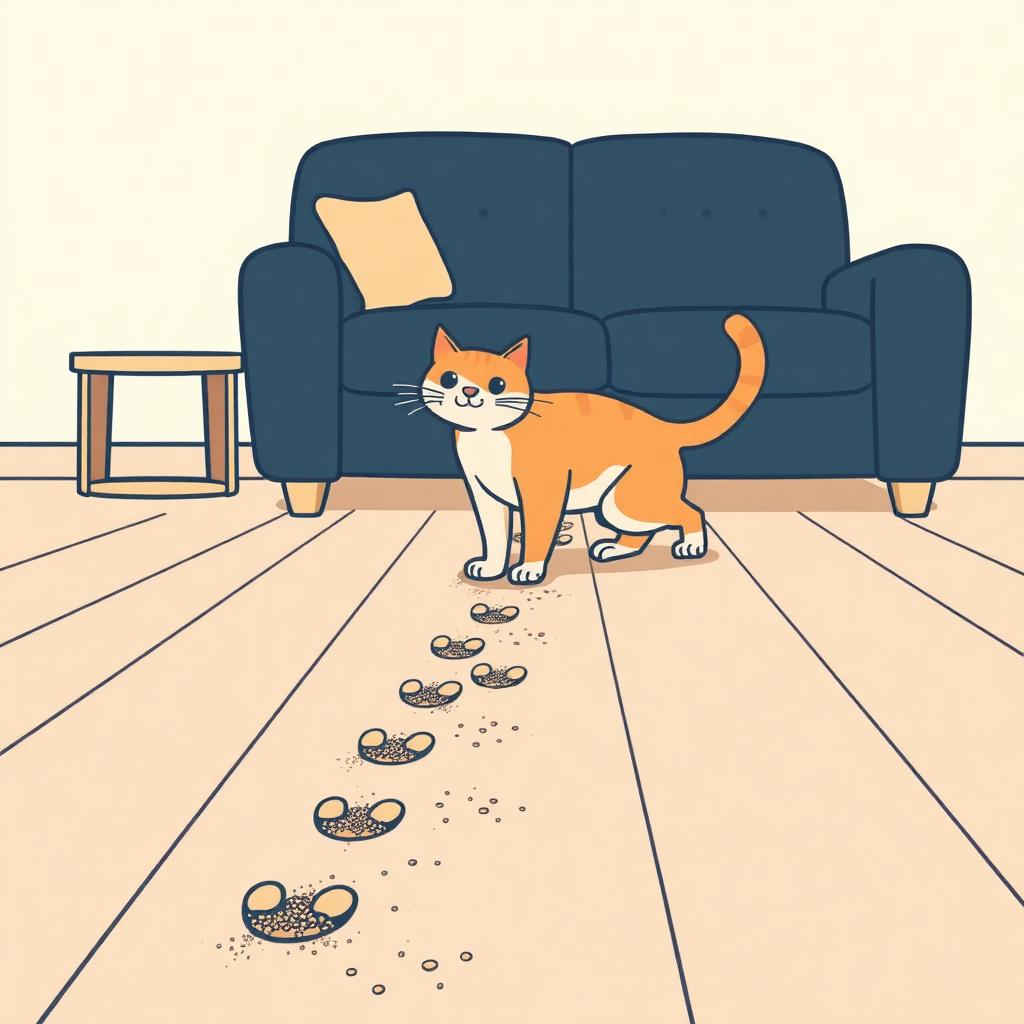
- Your cat starts sneezing, scratching, or avoiding the box after a litter change
- It is hard to tell the difference between mild litter irritation and a true medical issue
- Strong scents, dust, and texture changes can trigger stress or contact reactions
- Waiting too long can miss urinary, skin, or respiratory problems that need a vet
- Track exactly what changed: litter type, scent, dust level, cleanup products, and timing of symptoms
- Run a simple litter trial for several days using an unscented, low-dust option with no other household changes
- Clean boxes more consistently and place enough boxes in quiet spots to reduce stress-related avoidance
- If symptoms are mild and seem exposure-related, a gentle plant-based, low-dust litter such as NEKO may help rule out fragrance and dust as triggers
Start with timing, not guesswork
Most cat litter health symptoms become easier to interpret once you line up the timeline. If your cat was normal, you switched litter on Saturday, and by Sunday there was sneezing, paw shaking, box avoidance, or scratching, litter moves high on the suspect list. If the symptoms started before the litter change, happen in every room of the house, or continue when the cat is nowhere near the box, the cause may be something else. Timing does not prove causation, but it is the cleanest first filter. Write down what changed in the last one to two weeks: litter formula, scent, grain size, dust level, box location, cleaning spray, liners, air fresheners near the box, and whether you deep-cleaned with bleach or perfumed products. Also note what the symptoms actually are. A cat that sneezes only while digging suggests airborne irritation. A cat that licks paws after using the box points more toward contact irritation or residue between toes. A cat that strains to urinate, produces tiny clumps, or cries in the box should not be treated as a litter issue until a medical problem is ruled out. The practical rule is simple: match the symptom to the moment, the place, and the exposure.
Which symptoms are commonly litter-related
Litter usually causes irritation through contact, inhalation, or aversion to scent and texture. Contact problems tend to look like paw licking, shaking out the feet after digging, redness between the toes, a dusty coat on the belly, or increased grooming around the rear after using the box. Inhalation issues look different: sneezing during or right after box use, watery eyes, nasal irritation, or coughing that appears when the litter is disturbed. Aversion shows up behaviorally. The cat approaches the box, sniffs, hesitates, digs briefly, then leaves. Some cats perch on the edge to avoid touching the substrate. Others urinate next to the box because the smell or feel changed. Scented litters are a common trigger because cats have a much stronger sense of smell than humans, and a fragrance that seems mild to you can be aggressive at box level. Fine dust can also be a problem, especially in covered boxes where particles hang in a small enclosed space. Texture matters more than many owners expect. A cat used to soft granules may dislike larger pellets, while another cat may prefer them because less dust sticks to the paws. The key point is that litter-related symptoms usually cluster around box use and improve when exposure is removed.
Red flags that point away from litter and toward the vet
Some signs should move you away from home troubleshooting and toward veterinary care quickly. Straining to urinate, repeated trips to the box with little output, blood in urine, crying while urinating, vomiting, lethargy, or hiding are not symptoms to blame on litter first. Male cats with urinary blockage can deteriorate fast. Diarrhea, constipation, or stool outside the box can sometimes start with box aversion, but they can also signal pain, intestinal disease, dehydration, or anal gland trouble. Skin problems also need context. Mild paw irritation after switching to a dusty litter is plausible. Widespread hair loss, scabs, ear inflammation, or relentless itching usually has a broader differential that includes fleas, allergies, infection, and stress grooming. For breathing issues, occasional sneezing around the box may fit irritation, but wheezing, open-mouth breathing, repeated coughing, or labored breathing needs medical evaluation. Another clue is persistence. If symptoms continue despite removing the suspected litter for several days, the litter theory weakens. Cats are efficient at hiding illness, so owners often over-credit obvious changes such as a new litter and under-credit the possibility that the litter change happened at the same time a medical problem was developing. If your instincts say the cat seems unwell overall, trust that signal.
How litter can cause irritation in the first place
The mechanism matters because it tells you what to change. Dust is the most obvious pathway. When a cat digs, fine particles rise into the air and contact the eyes, nose, and throat. In a covered box, the concentration can be higher right where the cat breathes. Fragrance is another pathway. Added perfumes do not just smell stronger to cats; they can create aversion even without visible irritation. Then there is contact. Some litters leave residue on the paws, fur, or around the genital area. If the cat is already sensitive, frequent contact with rough particles, fragrance, or cleaning chemical residue can push grooming and discomfort higher. Clumping behavior can matter too. A litter that sticks heavily to wet paws can increase the time irritants stay on the skin. Moisture control affects odor but also comfort. If the box stays damp between scoops, urine-soaked granules can cling and irritate. This is where low-dust, unscented formulas often have an advantage for troubleshooting. They remove two common variables at once. A plant-based litter may also feel gentler for some cats because it tends to avoid the heavy perfume profile many owners use to mask odor. That is not magic, just cleaner exposure. The goal is not to find a perfect litter for every cat. It is to reduce unnecessary irritants so the cat's response becomes easier to read.
Use a practical home checklist before you change five things at once
When a cat reacts badly, owners often replace the litter, move the box, buy a deodorizer, wash everything with a new cleaner, and switch food in the same week. That makes the mystery worse. Use a controlled checklist instead. First, keep the box count appropriate for the household and place boxes in quiet, easy-to-reach locations. A stressed cat may blame the litter for a location problem, or vice versa. Second, stop all scented extras near the box: deodorizers, sprays, liners with fragrance, and perfumed cleaners. Third, scoop at least daily so you are not testing a clean litter against a dirty-box reaction. Fourth, inspect paws and skin after box use. Look for dust caking, damp clumps stuck between toes, redness, or immediate licking. Fifth, observe one full elimination cycle if your cat will tolerate privacy with you nearby. Does the cat enter confidently, dig normally, and settle, or is there hesitation and repeated exits? Sixth, document outcomes for three to seven days rather than relying on memory. If you do a litter trial, change one major variable only. An unscented, low-dust litter with the same box and same room gives you cleaner information than a total bathroom remodel. If you already use a heavily perfumed or very dusty litter, this is one situation where trying a simple plant-based option such as NEKO is an honest diagnostic step, not a branding exercise.
How to run a litter trial without causing more stress
Cats dislike abrupt changes, so a useful trial needs to separate sensitivity from protest. If your cat is still using the box, start by offering a second box beside the current one with the trial litter. This side-by-side method gives you preference data without forcing the issue. If the cat strongly chooses the unscented, low-dust box and symptoms decrease, you have a meaningful clue. If the cat avoids the new box but has no physical signs of irritation, the problem may be texture preference rather than health. For cats already avoiding the box, a faster switch may be necessary, but keep every other variable stable. Use the same style of box if possible. Avoid covered lids during the trial if sneezing or coughing is part of the picture, since more ventilation helps. Fill depth matters too. Too little litter can feel unstable underfoot; too much can increase dust when digging. Keep the depth consistent across boxes. During the trial, do not add fragrance crystals or box sprays, and do not judge the litter based on one use. Give it several days unless symptoms are clearly worsening. The goal is pattern recognition, not instant perfection. Improvement that appears only when the cat is around the box supports a litter explanation. No improvement, or only broader signs such as low appetite and lethargy, should push you back toward a medical workup.
Edge cases that confuse owners
The hardest cases are the mixed ones, where litter is part of the problem but not the whole thing. A cat with mild environmental allergies may tolerate one litter and react to another because the total irritation load crosses a threshold. A senior cat with arthritis may suddenly avoid a litter that is actually fine, because digging in a deep box hurts now. A kitten may sneeze around dust but also have a viral upper respiratory infection at the same time. Multi-cat homes add another layer. One cat may guard the box, and the other cat's stress gets blamed on the new litter because the timing overlaps. There is also the issue of owner cleanup. Residue from bleach, ammonia, strongly scented soaps, or floor cleaners around the box can irritate paws and airways just as much as the litter itself. If your cat gets litter stuck to long fur, the real fix may be trimming sanitary areas and choosing a less clingy substrate, not changing the whole routine every month. Another confusing pattern is intermittent symptoms. If sneezing happens only during a full-box dig after fresh litter is poured in, airborne particles are more likely involved. If the symptoms peak days later, dirty-box ammonia and moisture may be contributing. These edge cases are why details matter. The more precisely you define when and where the reaction happens, the faster you stop guessing.
Advanced troubleshooting for sensitive cats and recurring issues
If your cat has repeated box-related irritation, tighten the system. Choose an unscented, low-dust litter and stick with it long enough to judge stability. Keep at least one extra box beyond the number of cats, because crowding increases both stress and cleanliness problems. Scoop frequently and empty fully on a consistent schedule so you are not comparing one week of fresh litter to another week of accumulated moisture and odor. Wash boxes with mild, unscented soap and rinse thoroughly. Replace old boxes that have scratched surfaces holding odor and residue. If your cat has chronic sneezing around the box, use a well-ventilated area and avoid covered boxes unless your veterinarian has advised otherwise for behavior reasons. For paw sensitivity, check whether granules are adhering after urination and consider a litter that tracks less and leaves less residue. If you suspect the issue is not the litter itself but what is layered on top of it, remove deodorizers, scented trash bags nearby, and perfumed cleaners from the entire box zone. Finally, take photos or short notes for your vet: dates, litter type, symptom timing, urine clump size changes, and whether the cat improved during a trial. That record often does more than a vague report of 'he hated the new litter.' Sensitive cats can be finicky. They can also be right.
Common questions
Can cat litter really cause sneezing and other cat litter health symptoms
Yes. Dust and fragrance are the most common triggers. Sneezing that happens during digging or right after box use is more suggestive of litter irritation than sneezing at random times all day. Watery eyes, mild coughing, and box avoidance can also fit. If breathing looks labored, coughing is frequent, or symptoms continue away from the box, get veterinary advice.
How long should it take to see improvement after changing litter
For mild irritation, you may notice improvement within a few days, especially if the symptoms happened only around the box. Give a controlled trial several days rather than switching back and forth. If signs are getting worse, or if there is straining, blood in urine, lethargy, or poor appetite, stop troubleshooting at home and call your vet.
Is scented litter bad for cats
Not every cat reacts to scented litter, but many dislike strong fragrance because their sense of smell is so sensitive. Scent can cause avoidance even when there is no rash or obvious irritation. If your cat hesitates at the box after a switch, unscented litter is usually the first thing to try because it removes one major variable cleanly.
What is the difference between litter irritation and a urinary problem
Litter irritation usually shows up as sneezing near the box, paw licking, dust on the coat, or avoidance tied to smell and texture. Urinary problems look more serious: frequent trips with little output, straining, crying, blood in urine, overgrooming the genital area, or peeing outside the box with signs of discomfort. Treat urinary signs as medical until proven otherwise.
Should I switch litters immediately if I think my cat is reacting
If the reaction is mild, use a controlled trial instead of making five changes at once. Offer a second box with an unscented, low-dust litter and watch which box your cat chooses. If the cat is already refusing the box or seems distressed, make the safer switch sooner and contact your vet if symptoms suggest pain or illness.
One switch. Four problems, gone.
Start a NEKO subscription and get your first 7L bag for 40% off. Free shipping, delivered every 4–6 weeks. Skip, pause, or cancel anytime.