Signs Your Cat’s Litter May Be Irritating Their Airways
Understand the coughing, sneezing, and breathing changes that may point to litter-related irritation and when to call your veterinarian.
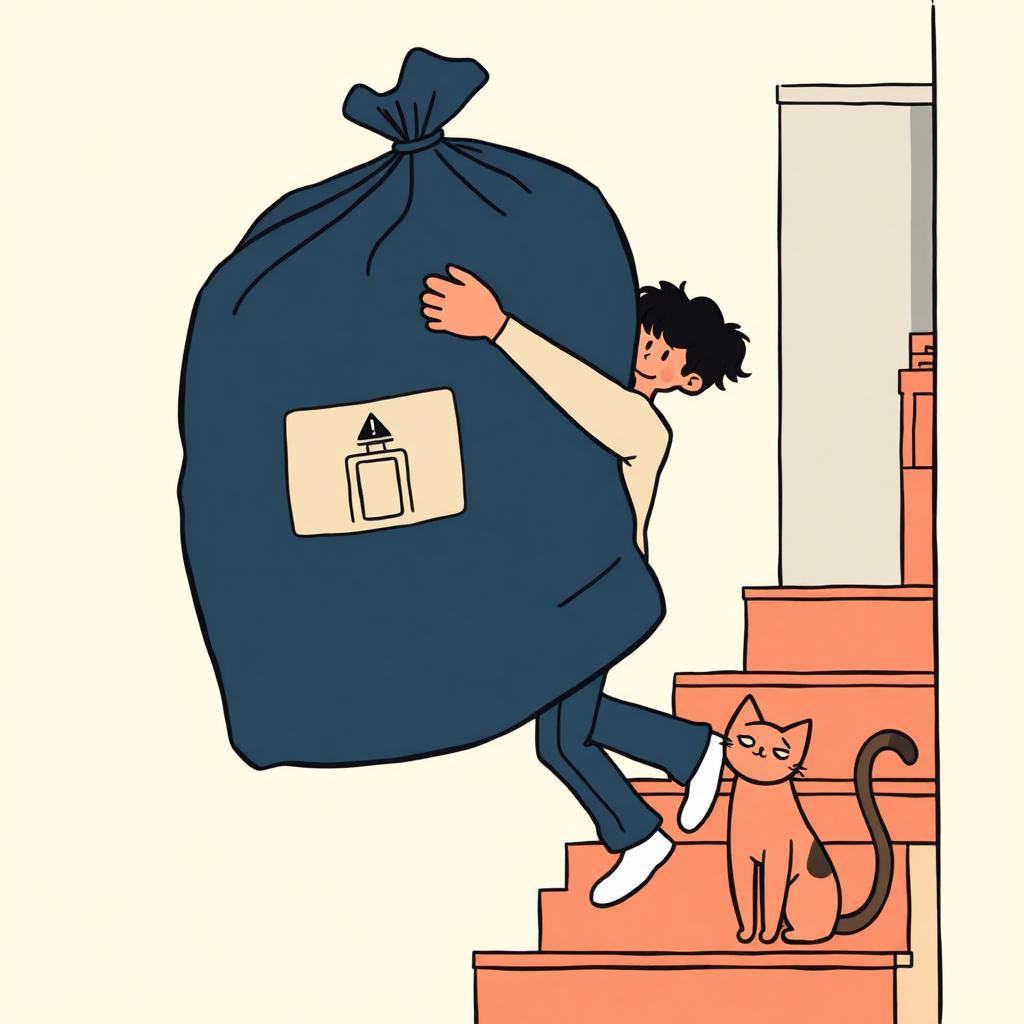
- Your cat coughs, sneezes, or wheezes more around the litter box
- Dust, fragrance, or fine particles may be irritating sensitive airways
- Breathing changes can look mild at first and get missed
- You are not sure when to switch litter and when to call the vet
- Watch for patterns: symptoms that start during or right after litter box use matter
- Reduce airborne irritants by avoiding heavily scented and dusty litters
- Switch gradually to a low-dust, unscented option; tofu litter like NEKO may help some sensitive cats
- Call your veterinarian promptly for open-mouth breathing, persistent coughing, or any increased breathing effort
When the litter box is the trigger, the pattern usually gives it away
A litter irritating cat airways problem rarely announces itself with a neat label. What you usually see first is a pattern. Your cat steps into the box, digs, squats, covers, then comes out sneezing. Or they cough a few times after a vigorous digging session. Some cats blink, swallow, or lick their nose more than usual after using the box. Others seem reluctant to dig deeply, as if the dust cloud is not worth the effort. The timing matters. Sneezing once in a while is common. Sneezing mainly during litter box use is more suspicious. The same goes for coughing, throat-clearing sounds, brief wheezing, or a sudden burst of fast grooming around the face. Airway irritation can be subtle at first, especially in cats that hide discomfort well, which is most of them. If symptoms appear after you opened a fresh bag, changed litter type, moved the box to a tighter space, or started using a scented formula, those details count. Think less about one dramatic episode and more about repeated exposure. A cat does not need a true allergy for litter to be a problem. Simple irritation from inhaled particles is enough to cause trouble in a sensitive nose, throat, or lower airway.
The most common signs of airway irritation are not always dramatic
Many owners expect serious breathing issues to look obvious. Sometimes they do. Often they do not. The common early signs are small: repeated sneezing, a dry cough, brief wheezing, noisy breathing after digging, watery eyes, or more frequent swallowing. Some cats pause outside the box and shake their head. Some sniff the box, hesitate, then use it quickly and leave. You may also notice your cat avoiding enthusiastic digging, perching on the edge, or failing to bury waste the way they used to. Those are not classic respiratory symptoms, but they can reflect box discomfort. More concerning signs include breathing faster at rest, obvious abdominal effort, nostrils flaring, or breathing with the mouth open. That is not a wait-and-see moment. One practical check is to watch your cat when they are asleep or fully relaxed. Count breaths for 30 seconds and double it. A normal resting cat should not look like they just finished a sprint around the hallway at 3 a.m. Another clue is sound. Hairball coughing, asthma coughing, and throat irritation can overlap, but if episodes cluster around box use, litter moves higher on the suspect list. Video helps. If you can capture the sound and body posture safely, your vet gets a much clearer picture than from a verbal impression alone.
Why some litters bother cats more than others
Most litter-related airway irritation comes down to what gets airborne and how long it stays there. Fine dust is the obvious issue. Very small particles become suspended when a cat jumps in, digs, covers, or launches out like they heard tax season is over. Fragrance is another common culprit. Added perfumes may smell clean to people, but a cat's sense of smell is far more sensitive, and scent chemicals can irritate the nose and upper airway. Texture also matters. Litters that break down into powder with use create ongoing exposure, not just a brief puff from a fresh pour. Box placement can make a mild issue worse. A litter box in a cramped laundry room, closet, or poorly ventilated bathroom traps dust at face level. Cats are low to the ground and literally put their head into the source. Some cats are simply more vulnerable: kittens, seniors, flat-faced breeds, cats with asthma, chronic bronchitis, herpes-related upper respiratory flare-ups, or any history of nasal inflammation. None of this means one litter is universally bad and another is universally perfect. It means the best litter for airway comfort is usually unscented, low-dust, and stable enough not to crumble into a fog. Plant-based tofu litters can be a useful option for some households because they tend to be low in dust compared with more powdery formulas, though tolerance still varies by cat.
Upper airway irritation and lower airway disease can look similar
One reason owners get confused is that sneezing and coughing do not always point neatly to one body system. Upper airway irritation usually affects the nose, sinuses, throat, and eyes. You may see sneezing, a runny nose, squinting, watery eyes, snorting, or repeated swallowing. Lower airway irritation affects the bronchi and lungs more directly. That can show up as coughing, wheezing, increased respiratory rate, or visible effort to breathe. Here is the catch: cats are experts at making different problems look annoyingly similar. A cat with asthma may cough after litter exposure because dust triggers airway spasm. A cat with a mild viral flare may sneeze more in a dusty box because inflamed tissue is already primed to react. A cat with no underlying disease may simply get a mechanical irritation from inhaling fine particles. This is why pattern recognition matters more than guessing from one symptom alone. If your cat only sneezes after digging in a dusty, scented litter, changing the litter is a reasonable first step. If your cat coughs at other times, breathes faster during sleep, or has repeated episodes regardless of litter changes, the problem may be deeper than simple box irritation. In those cases, a veterinary exam matters because asthma, infection, nasal disease, and even heart disease can overlap in ways that are not obvious at home.
How to test whether the litter is the problem without making things worse
The cleanest home test is a controlled switch, not five changes at once. Keep the number of boxes the same. Keep their locations the same if possible. Change only the litter. Pick an unscented, low-dust option and transition over several days so you do not create a separate box-avoidance problem. For many cats, a gradual change over about a week works better than dumping in a completely different texture overnight. Scoop often during the trial. Old urine and stool add their own odor and irritants, which muddies the results. If your current litter is visibly dusty when poured, do not top it off dramatically and create a cloud worthy of a low-budget stage performance. Pour slowly and clean surrounding dust from walls and floors. During the trial, track specific symptoms: sneezing frequency, coughing episodes, time spent in the box, digging intensity, willingness to bury, and any breathing changes after use. Video one or two episodes if you can. If your cat improves after the switch, that is useful information, not absolute proof, but useful. If there is no change after a fair trial, litter may not be the main trigger. If you want to try a plant-based tofu litter such as NEKO, the most honest reason is to reduce dust and fragrance exposure, not to treat respiratory disease. The litter box can remove one trigger, but it cannot diagnose or cure asthma.
Litter box setup can either calm the air or turn it into a dust chamber
Sometimes the litter itself is only half the problem. Box design and placement can magnify irritation. Covered boxes trap odors and can trap dust too. Some cats tolerate them well, but a sensitive cat may be sticking their face into a concentrated pocket of fine particles every time they dig. High-sided boxes are useful for enthusiastic kickers, yet they can also reduce airflow if the box is wedged into a corner or cabinet. A better setup for a respiratory-prone cat is usually a box in a well-ventilated, quiet area with enough room around it for air to disperse. Skip air fresheners, scented liners, deodorizing powders, and cleaning sprays with strong residual smells. People love a product that promises mountain breeze. Cats generally did not request a mountain. Cleaning method matters too. Empty and wash the box with mild unscented soap, rinse thoroughly, and let it dry before refilling. Residual cleaner fragrance can be as irritating as the litter itself. When you add fresh litter, pour gently from a low height. If multiple cats share a box area, consider adding another box rather than making each box deeper. Very deep litter invites more dramatic digging and more airborne particles. The goal is dull, predictable, boring air. For lungs, boring is excellent.
When to call the veterinarian instead of troubleshooting at home
Home changes are reasonable for mild, clearly box-linked sneezing or occasional coughing in an otherwise normal cat. They are not enough if breathing is labored, symptoms are frequent, or your cat seems unwell overall. Call your veterinarian promptly if you see open-mouth breathing, blue or gray gums, persistent wheezing, obvious abdominal effort, a resting breathing rate that stays high, lethargy, poor appetite, or a cough that keeps returning whether the cat uses the litter box or not. Also call if your cat has known asthma, chronic bronchitis, heart disease, or a recent respiratory illness. In those cats, what looks like simple litter irritation can push an already inflamed system over the edge. Your vet may recommend an exam, chest imaging, parasite testing in some cases, or treatment for airway inflammation depending on the history and signs. Do not give over-the-counter cough or cold medicine. Cats are not small, self-cleaning toddlers. Some products are dangerous, and even safe-seeming remedies can delay proper diagnosis. If your cat is sneezing blood, has one-sided nasal discharge, loses weight, or has noisy breathing that does not improve after a litter change, that points away from simple dust irritation and toward a different problem that needs professional workup.
Cats with asthma or chronic sensitivity need a lower-trigger routine, not a one-time fix
If your cat already has asthma or chronic respiratory sensitivity, the litter box should be part of a broader trigger-reduction plan. That means choosing unscented, low-dust litter consistently, not only when symptoms flare. It also means controlling other airborne irritants in the home: smoke, vaping residue, strong cleaners, construction dust, scented plug-ins, and even heavy cooking fumes. Vacuum with good filtration if possible, wash bedding regularly, and keep the box area clean so tracked litter does not become floor dust. For some cats, the ideal setup is one that minimizes digging intensity: an open box, moderate litter depth, and frequent scooping so the cat is not excavating like an archeologist on a deadline. If your vet has prescribed inhaled or other medications for asthma, keep using them as directed. Switching litter is supportive care, not a substitute. Pay attention to seasonal patterns too. Pollen, dry winter air, and household heating can add to the total irritation load. What your cat tolerates in one month may bother them in another. Owners often look for a single villain. More often it is a stack of small triggers, and litter is one piece of the stack. Remove enough pieces, and many cats breathe easier and use the box more comfortably.
Common questions
Can litter irritating cat airways cause coughing?
Yes. Fine dust and strong fragrance can irritate the upper or lower airways, especially in sensitive cats or those with asthma. If coughing happens during or right after litter box use, litter is a reasonable suspect. If coughing also happens at rest, during play, or overnight, your vet should evaluate for asthma or another medical cause.
What type of litter is least likely to bother a cat's breathing?
Unscented, low-dust litter is usually the safest starting point. The exact material matters less than the amount of airborne dust and added fragrance. Some cats do well with plant-based tofu litter because it tends to be low in dust, but there is no single litter that suits every cat.
How quickly should my cat improve after switching litter?
If litter is the main trigger, mild sneezing or coughing may improve within days to a couple of weeks after a full switch. Improvement can take longer if your cat also has asthma, infection, or another source of irritation. If symptoms persist despite a fair trial, call your veterinarian.
Should I stop using a covered litter box if my cat sneezes?
It is worth trying an open box, especially if the current setup traps dust and odor in a small space. Some cats are fine with covered boxes, but for a cat with airway sensitivity, better airflow often helps. Change one variable at a time so you can tell what made the difference.
When is sneezing or wheezing around the litter box an emergency?
Seek urgent veterinary care for open-mouth breathing, blue or gray gums, collapse, severe wheezing, or obvious effort to breathe. Mild sneezing alone is usually not an emergency, but repeated coughing, fast breathing at rest, or any worsening respiratory sign should be checked promptly.
One switch. Four problems, gone.
Start a NEKO subscription and get your first 7L bag for 40% off. Free shipping, delivered every 4–6 weeks. Skip, pause, or cancel anytime.