Walnut vs Grass Cat Litter: Comparing Natural Litters for Real-World Use
See how walnut and grass litter stack up for clumping, smell control, tracking, and the daily work of box care.
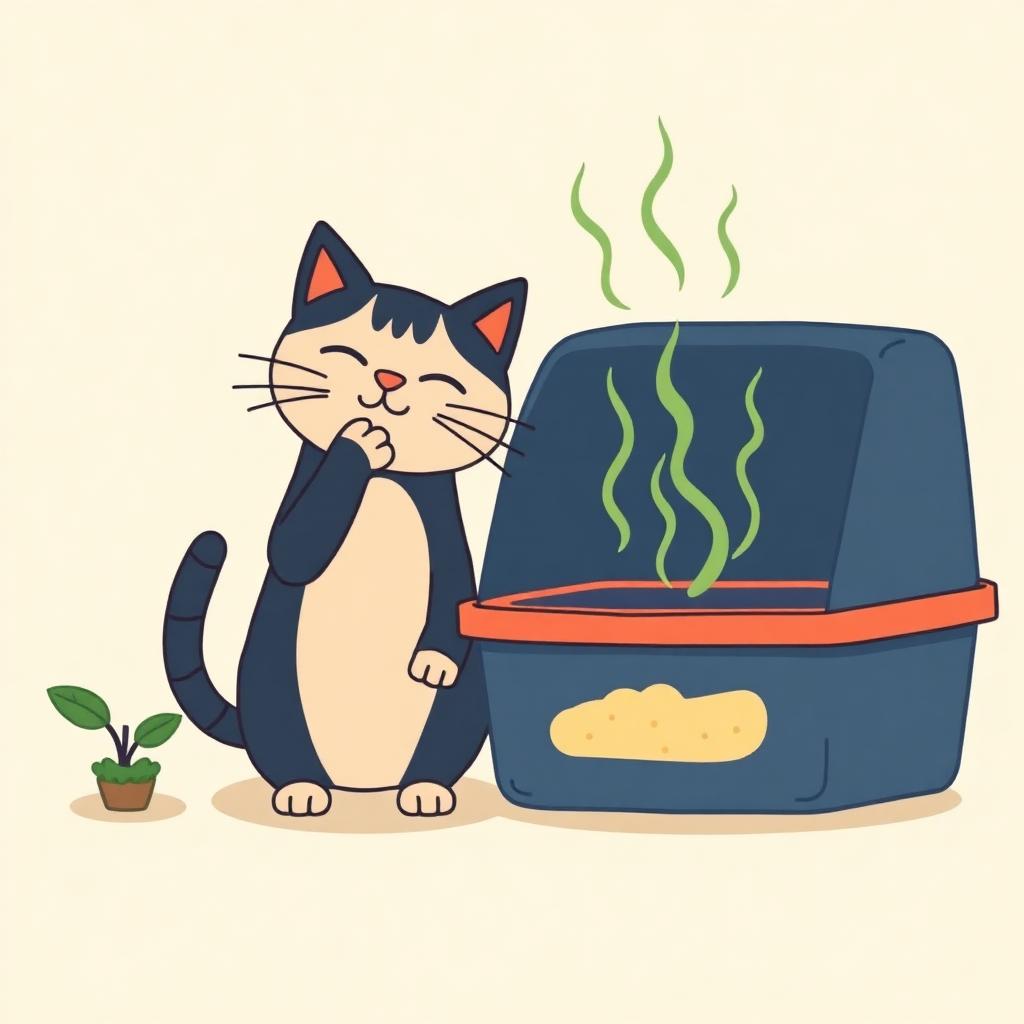
- One natural litter controls odor well but turns messy when the box gets busy
- Some litters clump fast at first, then break apart during scooping
- Tracking and dust can cancel out the benefits of a plant-based formula
- A litter that looks good on paper may not suit picky cats or multi-cat homes
- Match the litter material to your real setup: one cat or several, open box or covered, low-traffic room or busy hallway
- Prioritize clump strength and moisture handling over marketing claims about being natural
- Use box depth, scoop timing, and a proper litter mat to reduce tracking and odor with either type
- If you want a plant-based litter with strong clumps and easier daily cleanup, a tofu formula like NEKO can be worth comparing too
What walnut vs grass litter really means in daily use
The walnut vs grass litter question is not really about which one is more natural. Both are plant-based alternatives to clay, and both appeal to cat owners who want lower dust, lighter bags, and less mining-heavy material in the house. The real question is how each litter behaves after a week of actual use. That means urine hitting the same area several times, a cat launching out of the box at speed, and a human trying to scoop fast before work. Walnut litter is usually made from ground walnut shells. It tends to be darker in color, which can hide staining and make the box look cleaner between full changes. Grass litter is typically made from grass fibers or grass seed material, and it is often lighter in color and softer under paw. Those differences affect almost everything that matters: clump structure, odor handling, visible mess, and how easy it is to notice changes in your cat’s urine output. If your cat is healthy and easygoing, either can work. If your cat is picky, pees large volumes, or shares a box with another cat, the details start to matter quickly.
How the materials work: why the same wet spot behaves differently
Walnut and grass litter deal with moisture in different ways because their particle structure is different. Ground walnut shell is dense and fibrous. It can absorb well, but the clump often depends on how finely the material is milled and what natural binders are present. Some walnut litters form solid clumps, while others stay a bit crumbly at the edges, especially if the wet patch sits too long before scooping. Grass litter usually absorbs quickly because the particles are light and porous. That quick uptake can create fast clumps, but speed does not always equal durability. In some homes, grass clumps hold together well when scooped early and then weaken if the box gets heavily used through the day. Odor control follows the same pattern. A litter that absorbs liquid fast can reduce the initial urine smell, but if moisture spreads into surrounding clean litter, the box can sour sooner. Texture also matters to cats. Grass litter is often softer and finer, which many cats accept easily. Walnut can feel slightly coarser depending on the cut. That is not automatically bad, but texture changes can make litter-sensitive cats hesitate, hover, or dig excessively.
Clumping performance: the difference between fast clumps and reliable clumps
For most cat owners, clumping decides whether a litter stays or gets banished after one box cycle. Grass litter often makes a good first impression because clumps can form quickly. If you scoop once or twice a day and your cat urinates moderate amounts, that can be enough. The problem shows up when clumps sit in a high-moisture box for longer periods. Some grass litters can flatten at the bottom, stick to the tray, or break at the edges during scooping. That leaves damp granules behind, and those leftovers are where odor starts to build. Walnut litter can be the reverse. It may not always create the neatest-looking clump immediately, but some formulas hold shape better once formed. Others, however, crumble when a cat scratches vigorously or when the scoop goes in at the wrong angle. In practical terms, a strong clump should lift in one piece, leave a mostly dry floor underneath, and not disintegrate into coffee-ground-like debris. Multi-cat homes should be stricter about this. A litter that performs decently for one cat may fail once there are repeated wet spots layered through the day. If your main frustration is scraping the box bottom, grass can be hit or miss. If your issue is crumbly waste that contaminates clean litter, walnut can be hit or miss. Neither material wins automatically.
Odor control: what happens after day three, not day one
Natural litters are often sold on freshness, but odor control is not just about scent masking. It is about how effectively the litter isolates moisture, traps ammonia as the urine ages, and avoids leaving micro-residue in the box. Walnut litter has one clear practical advantage: its darker color can make the box look cleaner for longer, which some owners love and others find misleading. It may hide damp contamination that a pale litter would reveal. Grass litter, being lighter, makes waste easier to see and remove thoroughly, but it can also look dirty sooner even when the box is still functioning fine. Smell-wise, both materials can do well in a clean, regularly scooped box. Problems usually start with saturation. Once the lower layer holds too much moisture, grass litter can develop a warm, stale smell that seems to spread through the whole tray. Walnut litter may manage the smell better for a while, but if clumps are breaking and tiny wet particles remain, the odor creeps up all the same. Covered boxes complicate this because they trap humidity, which weakens performance in many natural litters. If your home has poor airflow, or your cats tend to pee in one corner repeatedly, odor control depends less on bag claims and more on whether the litter leaves truly dry surfaces after scooping.
Tracking, dust, and paw feel: the mess outside the box
A litter can score well on clumping and still be deeply annoying if it ends up in your bed. Tracking tends to be one of the biggest differences people notice between walnut and grass litter. Grass litter is often light and small-particle, which can mean more carryout on paws, especially with enthusiastic diggers or long-haired cats. The same fine texture that feels pleasant under paw can also migrate farther across hard floors. Walnut litter varies more by cut. Coarser walnut particles may track less, but finer formulas can still travel, and the dark specks are easy to spot on pale flooring. Dust is another area where natural litters can disappoint if expectations are unrealistic. Both are usually lower dust than bargain clay, but low dust does not mean no dust. Pouring, topping up, and aggressive digging all create some airborne particles. Cats with asthma, chronic sneezing, or irritated eyes often do better when owners focus on low-dust handling habits as much as the material itself: pour slowly, keep the box overfilled only to a sensible depth, and avoid dumping the bag from a height. Paw feel matters too. Softer litters often win with kittens, seniors, and cats recovering from paw sensitivity. Grass tends to have an edge there, though some cats strongly prefer a slightly heavier substrate because it feels more stable when digging.
Which litter fits which home: one cat, multiple cats, picky cats, and busy schedules
The better litter is usually the one that matches your household friction points. For a single cat in a quiet home, grass litter can work well if your cat likes soft textures and you are consistent about scooping. It is often easy to transition to because many cats accept the feel without much protest. For a household where the box gets heavy traffic, walnut litter may hold up better in some cases simply because the material is denser and can feel less saturated as quickly. That said, brand-to-brand variation within each material is large enough that the category alone does not guarantee success. Picky cats need a different lens. If your cat has a history of rejecting new litter, avoid abrupt full swaps. Start with a mix and watch posture, digging time, and whether the cat starts perching on the edge instead of stepping fully in. Senior cats may appreciate softer footing, while cats with long fur may accidentally carry more lightweight litter into the house. Busy owners should be honest about scoop timing. If litter sits for long stretches, choose the material that leaves the least residue when finally scooped, not the one that smells nicest on the first day. If neither walnut nor grass gives you the clump reliability you need, this is where some owners compare other plant-based options such as tofu litter, including NEKO, for cleaner lifting and simpler maintenance.
How to switch without causing litter box drama
Cats do not care that a bag says sustainable. They care that the bathroom floor changed under their feet. The safest way to switch between walnut and grass litter is usually gradual, over several days. Start by mixing a small amount of the new litter into the old one. If your cat keeps using the box normally, increase the ratio every day or two. Watch for subtle signs of resistance: delayed urination, repeated sniffing and walking away, scratching the box exterior, or using a bath mat as an editorial comment. Depth matters during the transition. Too shallow and the cat cannot dig naturally. Too deep and some lightweight natural litters become unstable, making cats feel like they are standing on marbles. A moderate fill level usually works best. Keep the box extra clean during the switch because cats are less tolerant of odor when the substrate is unfamiliar. If you have more than one cat, keep at least one box closer to the old setup until you know everyone is on board. Do not add deodorizers or scented toppers to force acceptance. That often creates a second variable and makes troubleshooting harder. If your cat has a sensitive stomach and occasionally licks litter from paws, plant-based options can feel reassuring, but acceptance still depends on texture and consistency more than ingredient list.
Setup and maintenance tips that improve either litter immediately
A lot of litter disappointment is actually box-management failure wearing a litter-shaped disguise. First, use enough litter. Natural clumping litters need sufficient depth to absorb before urine reaches the tray floor. Too little litter is the fastest route to cemented spots and odor. Second, scoop on schedule. Even the best clump weakens as it sits, especially in humid rooms. Morning and evening scooping is a practical target for many homes. Third, choose the right box. A cramped tray forces cats to step on used litter and spread contamination. A larger box gives wet spots space to form separate clumps instead of merging into one miserable swamp. Fourth, rotate where you top up. Constantly pouring fresh litter into the center leaves old material compacted at the edges and bottom. Stirring lightly after scooping can help distribute cleaner granules without breaking intact clumps. For tracking, put a textured mat outside the exit side of the box rather than centering it neatly under the whole setup and hoping for the best. For odor, wash the box fully on a regular schedule because natural oils and residue cling to plastic over time. If you have tested both walnut and grass and still feel underwhelmed, the problem may not be your standards. Some households simply need a plant-based litter with tighter clumps and less scatter, which is why tofu litters are increasingly part of the comparison set.
When walnut or grass litter is the wrong tool altogether
There are situations where the honest answer is not to keep experimenting inside the same narrow category. If your cat has chronic urinary issues, you may need a litter that makes urine output easier to monitor visually. Dark walnut litter can make that harder. If your cat has respiratory sensitivity, any formula that throws noticeable dust during pouring or digging may be a poor fit regardless of material source. If your household has three or more cats sharing limited box space, litter that forms only average clumps becomes expensive in time even if the bag itself looks appealing. Kittens and habitual tasters bring another concern: lightweight pellets or granules that stick to damp paws can get licked off, so close supervision during transitions matters. Owners using automated litter systems also need to be careful. Some natural litters are too soft, too lightweight, or too irregular in particle size for mechanical rakes or rotating sieves. And if flushing is part of your routine, do not assume every plant-based litter is truly suitable for every plumbing setup, septic system, or local guideline. This is where broader comparison helps. Walnut and grass are both legitimate natural options, but they are not universal solutions. If you keep running into weak clumps, tracking, or sour-smelling residue, it is reasonable to compare outside the pair and consider a different plant-based format rather than forcing a mismatch.
Common questions
Which is better in walnut vs grass litter for odor control?
It depends on the box routine. Grass litter often absorbs quickly, which can help with fresh urine smell. Walnut litter can sometimes hold odor down longer because the material is denser. But if clumps break and wet particles stay behind, either one will start to smell. In real homes, odor control usually tracks with clump integrity and scoop frequency more than the material name on the bag.
Does grass litter track more than walnut litter?
Often, yes. Grass litter is usually lighter and finer, so it can stick to paws and travel farther outside the box. Walnut litter can also track, especially in finer formulas, but coarser walnut tends to stay put better. A good mat and a larger box entry area help more than most people expect.
Is walnut litter safe if my cat has allergies?
If your cat has environmental sensitivities, focus on dust level first. Some cats react more to airborne particles than to the source material itself. For homes with human nut allergies, caution is reasonable. If there is any concern, ask your vet and choose a litter with clear ingredient information and low dust handling. Do a gradual switch so you can watch for sneezing, skin irritation, or box avoidance.
Which litter clumps better for a multi-cat home?
Multi-cat homes usually need strong, durable clumps more than fast-forming clumps. Some walnut litters hold up better under repeated use, while some grass litters perform well only if scooped quickly and often. The deciding factor is whether the clump lifts cleanly without leaving damp residue. If both struggle, a denser plant-based option such as tofu litter may be easier to manage.
Can I mix walnut and grass litter together?
Yes, especially during a transition. Mixing can help a cautious cat accept a new texture. Keep in mind that combining two litters can also combine their weaknesses, such as more tracking from one and weaker clumps from the other. Use it as a temporary step rather than a permanent fix unless the mix clearly works better in your box.
One switch. Four problems, gone.
Start a NEKO subscription and get your first 7L bag for 40% off. Free shipping, delivered every 4–6 weeks. Skip, pause, or cancel anytime.