Daily Litter Box Precautions During Pregnancy
Learn simple hygiene, cleaning, and household delegation tips that can make living with cats feel safer during pregnancy.
- You need to manage cat litter every day while trying to reduce avoidable pregnancy risks.
- Advice online is often vague, alarmist, or missing the practical details that matter at home.
- Partners or family may not know what tasks to take over or how often the box should be cleaned.
- Odor, dust, and poor litter box habits can turn a simple chore into a daily stress point.
- Have a non-pregnant adult handle scooping and full litter changes whenever possible.
- If you must do it yourself, use strict handwashing, gloves, and a same-day cleaning routine.
- Keep the box in a well-ventilated area and avoid creating dust when pouring or dumping litter.
- Choose a low-dust litter that is easy to scoop and remove promptly; a plant-based option like NEKO can help reduce mess without changing the core safety rules.
Why pregnancy litter box precautions matter
The reason people talk about pregnancy litter box precautions is not that cats suddenly become unsafe. The concern is exposure to Toxoplasma gondii, a parasite that can be spread through infected cat feces. For most healthy adults, toxoplasmosis may cause no symptoms or only mild illness. During pregnancy, though, avoiding new exposure matters because infection can pose risks to the developing baby. The good news is that the daily precautions are simple and very manageable. You do not need to rehome your cat, panic about every paw print, or turn your house into a laboratory. What matters is reducing contact with litter and feces, cleaning the box promptly, and keeping good hand hygiene. Most cats that live indoors, eat commercial food, and do not hunt have a lower chance of carrying the parasite than people assume. Risk also depends on whether a person has had prior exposure before pregnancy, which is something your clinician may discuss if relevant. Day to day, the practical goal is straightforward: make litter box care as low-contact, low-dust, and low-stress as possible.
How toxoplasmosis exposure actually happens
A lot of fear comes from not understanding the timing and mechanism. Cats do not constantly shed infectious material forever. If a cat becomes infected, it may shed the parasite in stool for a limited period. Those organisms also do not become infectious the second they hit the litter. They typically need time in the environment before they can cause infection. That is one reason daily scooping matters so much: prompt removal reduces the chance that anything in the box sits long enough to become a problem. Infection is also not limited to litter boxes. People can be exposed through undercooked meat, unwashed produce, gardening in contaminated soil, or handling outdoor dirt and then touching their mouth. In many households, the litter box gets all the blame while the kitchen cutting board gets a free pass. That is backwards. Good pregnancy safety includes food hygiene and soil precautions too. With cats specifically, the main issue is accidental ingestion after handling contaminated litter, not simply being in the same room as a cat. Petting your cat, hearing it demand breakfast at 5 a.m., or sharing a sofa is not the core risk. Contact with stool, litter dust, and contaminated hands is.
The safest daily routine if someone else can clean the box
The best setup is simple: have a non-pregnant adult take over litter duty for the full pregnancy. Make the handoff specific, not vague. “Can you help more with the cat stuff” usually fails by day three. “Please scoop every evening, bag waste immediately, wash your hands, and do a full box clean on Saturday” works better. Daily scooping is the key habit because it keeps the box cleaner for the cat and reduces the chance of older waste sitting in the litter. Put the litter scoop, waste bags, and cleaning supplies next to the box so the job is easy to complete correctly. If your household has multiple cats, follow the common rule of one box per cat plus one extra. Crowded boxes lead to more feces sitting longer and a higher chance of accidents outside the box. Ask the person cleaning to avoid shaking the box hard or pouring litter in a way that creates a dust cloud. A well-ventilated spot helps. If your current litter tracks heavily or makes a mess around the box, switching to a lower-dust, easy-scooping litter may make the routine easier to keep consistent. Convenience is not trivial here. The easier the process, the more reliably it gets done.
What to do if you have to clean the litter box yourself
Sometimes there is no backup adult, and the box still needs attention. If you must do it, keep the process boring and strict. Wear disposable or dedicated cleaning gloves. Scoop at least once a day so waste is removed promptly. Avoid touching your face during the task. Bag waste immediately, tie it off, and dispose of it right away rather than leaving an open bag nearby. Wash your hands thoroughly with soap and water after removing gloves. Hand sanitizer is fine as an extra step, not a substitute for washing when you have handled litter or waste. Try to keep the box at waist height or higher if bending is uncomfortable later in pregnancy, but do not place it near food prep areas. If dust is an issue, pour fresh litter slowly and consider doing full litter changes when windows are open or a fan is running. Do not use a kitchen sink, bathtub, or any food-related surface to rinse litter tools. Keep a dedicated cleaning area and dedicated supplies. If nausea is part of the picture, a covered trash bin, small waste bags, and a low-odor litter can make the routine more tolerable. The objective is not perfection. It is minimizing contact and making the task repeatable.
Litter box hygiene rules that make the biggest difference
A few habits matter more than fancy products. First, scoop daily. Second, wash hands every single time after handling the box, scoop, mat, or waste bag. Third, keep the litter area physically separate from places where you cook, eat, or store food. Fourth, clean surrounding surfaces regularly because tracked litter can spread beyond the box itself. A washable mat outside the box can help catch granules before they travel through the house. If your cat kicks litter like it is auditioning for a construction job, a high-sided box may reduce scatter. For full clean-outs, use hot water and a mild unscented soap if the box needs washing, then dry it thoroughly before refilling. Strongly scented cleaners may bother cats and can make box avoidance more likely, which creates a different mess in a worse location. Keep litter containers sealed to limit moisture and contamination. If you use a lightweight litter that forms visible dust when poured, handle it slowly and ventilate the area. Some plant-based litters are easier on dust and tracking than others; if a product helps you scoop quickly and keep the area cleaner, that is a practical win. NEKO can fit that role if you are looking for a tidy, easy-to-manage option, but the core safety habits still do the real work.
Reducing risk beyond the litter box
Pregnancy safety around cats is only partly about the box. The bigger picture matters. Keep your cat indoors if possible. Indoor cats that do not hunt birds or rodents and do not eat raw meat are generally less likely to pick up parasites from prey or food. Avoid feeding raw diets during pregnancy if you are trying to reduce household exposure pathways. Wash produce well, use separate cutting boards for raw meat, and cook meat thoroughly. If you garden, wear gloves and wash your hands afterward because outdoor soil can be a source of exposure too. Sandboxes should stay covered when not in use since neighborhood cats may treat them as public restrooms. If you have a kitten or a newly adopted stray, be a little more cautious about litter handling and ask your veterinary team about general health checks, especially if the cat has an outdoor history. None of this means your cat is dangerous. It means pregnancy is a good time to tighten a few routines that probably should have been better already. The household habits that reduce risk are the same ones that usually make life cleaner, calmer, and less chaotic overall. Conveniently, they also tend to improve litter box compliance for the cat.
When to call your doctor or veterinarian
If you are pregnant and worried you may have been exposed, contact your obstetric clinician rather than guessing based on internet folklore. This is especially important if you handled a heavily soiled litter box with bare hands, had a known hygiene slip, or have symptoms that concern you. Your doctor can decide whether any testing or follow-up makes sense based on your situation. Symptoms of toxoplasmosis in adults can be vague, which is why self-diagnosis is not useful. On the cat side, most infected cats do not announce it dramatically, and many appear perfectly normal. If your cat is ill, newly adopted from outdoors, or eating prey, your veterinarian can advise on practical steps to reduce risk in the home. Ask direct questions: Should this cat stay strictly indoors now. Is there any reason to adjust diet. Are there litter box setup changes that would help. This is also the right time to solve problems such as inappropriate elimination, diarrhea, or a box that is too small or too hard to access. A messy box is not just annoying. During pregnancy, it increases how often and how intensely someone has to interact with waste, which is exactly what you are trying to limit.
Smart household setups for multi-cat homes, small spaces, and late pregnancy
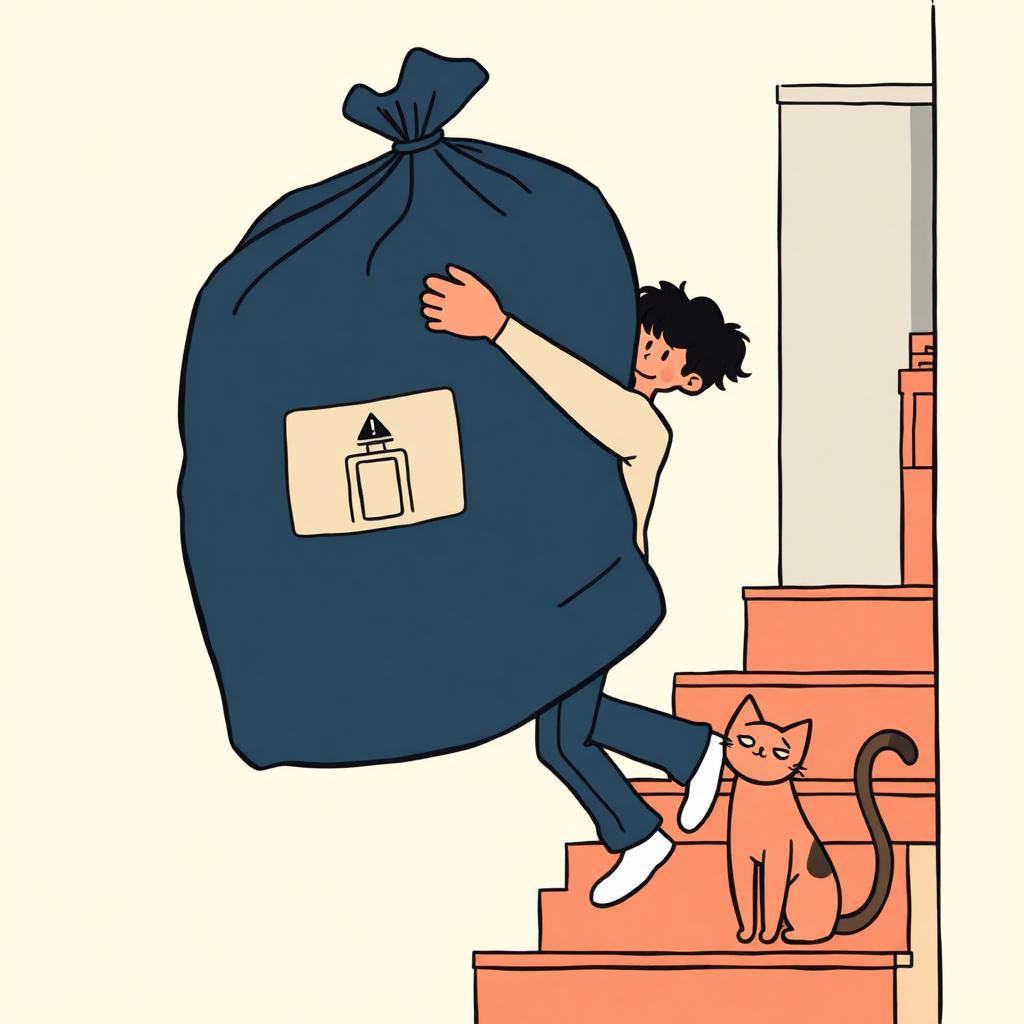
Edge cases make routine advice harder. In a studio apartment, for example, “keep the litter box far away” may be physically impossible. Do the next best thing: place it in the most ventilated, low-traffic corner available, use a mat to contain tracking, and keep cleaning supplies within reach so scooping happens fast. In a multi-cat home, more boxes usually mean cleaner boxes and fewer territorial disputes. That matters because when one cat refuses a dirty box, someone ends up cleaning a surprise elsewhere. During late pregnancy, bending, lifting, and carrying full litter bags can become the hardest part. Break tasks into smaller steps. Use smaller waste bags more often rather than one heavy bag. Store fresh litter in manageable containers instead of wrestling with a large sack. If stairs are involved, move one box to the main living level temporarily so nobody is hauling supplies up and down. Automatic litter boxes may help some households, but they are not magic. They still need maintenance, waste disposal, and cleaning, and you should avoid assuming “automatic” means hands-off. The best system is the one that gets done consistently with minimal contact. During pregnancy, reliability beats novelty every time.
Common questions
What are the most important pregnancy litter box precautions?
The most important pregnancy litter box precautions are having a non-pregnant adult handle cleaning if possible, scooping the box daily, avoiding direct contact with litter and feces, and washing hands thoroughly after any contact with the box or waste. Keep the area ventilated and separate from food prep spaces.
Can I clean the litter box while pregnant if I have no one else to do it?
Yes, if you have no alternative, but use strict hygiene. Wear gloves, scoop daily, bag waste immediately, avoid touching your face, and wash your hands well with soap and water afterward. Try to minimize dust and keep cleaning tools separate from kitchen or bathroom cleaning items.
Is it safe to be around my cat during pregnancy?
For most people, yes. Simply living with, petting, or sitting near your cat is not the main concern. The issue is contact with feces and contaminated litter, plus other sources such as undercooked meat or soil. Indoor cats that do not hunt or eat raw food are generally lower risk.
How often should the litter box be cleaned during pregnancy?
Scoop at least once a day. Prompt removal matters because it reduces how long waste sits in the box. Full litter changes and box washing should happen on your normal schedule, adjusted as needed if you have multiple cats, odor issues, or heavy box use.
Does a low-dust litter help during pregnancy?
It can help with comfort and cleanliness. A lower-dust litter may reduce airborne particles when pouring or scooping and can make the area easier to manage, especially if nausea or odor sensitivity is a problem. It does not replace gloves, handwashing, or daily scooping.
One switch. Four problems, gone.
Start a NEKO subscription and get your first 7L bag for 40% off. Free shipping, delivered every 4–6 weeks. Skip, pause, or cancel anytime.