Crystal vs Grass Cat Litter: How to Choose the Right Box Fill for Your Cat
See how grass and crystal litters compare on clumps, smell, tracking, and comfort for kittens, adults, and seniors.
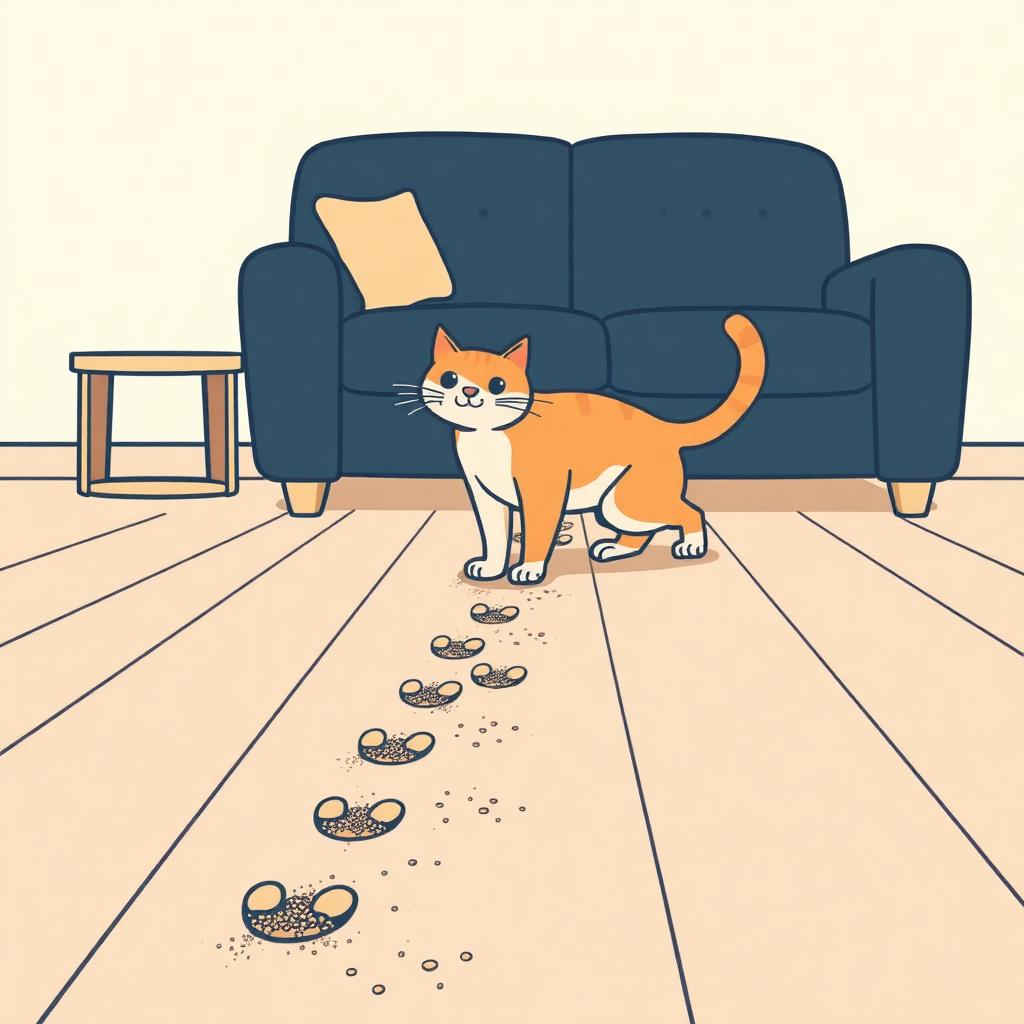
- Your cat uses one litter happily, then avoids another with no obvious warning
- Odor control sounds good on the bag but falls apart after a day or two
- Tracking, dust, and sharp texture turn the area around the box into a mess
- Kittens, seniors, and sensitive cats often need a softer, safer surface than expected
- Match litter type to your cat’s paws, age, and bathroom habits before chasing odor claims
- Use clumping performance and texture as the first filters, then compare tracking and dust
- Transition gradually over 5–7 days so your cat accepts the new box fill
- If you want a plant-based clumping option with a softer feel, NEKO’s tofu litter can suit cats that dislike hard crystals
What cat owners are really asking when they compare crystal vs grass litter
Most people searching crystal vs grass litter are not looking for a chemistry lesson. They want to know which one will keep the box usable, the room less smelly, and the cat willing to step in without drama. Those are the right questions. Litter choice is not just about absorbency. It is about how urine is handled, what happens to stool odor, how the particles feel under paws, and whether the litter stays in the box or migrates across your floor like it pays rent. Crystal litter is usually made from silica gel. It absorbs moisture into porous granules and tends to work best when urine can spread across a wider bed that is stirred or replaced on schedule. Grass litter is a plant-based litter made from grass fibers or seeds and is typically designed to clump when wet. That difference matters because clumping and absorbing are not the same job. A cat that prefers a soft, sand-like texture may reject larger crystal pieces. A household with one box and multiple cats may find non-clumping absorbent litter harder to keep fresh. The best choice depends less on marketing words like “advanced” and more on how your cat uses the box every single day.
How crystal litter works compared with grass litter
Crystal litter manages urine by absorbing liquid into tiny pores inside each granule. Instead of forming a scoopable clump, many crystal litters hold moisture within the litter bed until you stir the box or replace the contents. That can reduce immediate wet spots on the surface, but it also means used urine remains in the box until the litter reaches its limit. Once those granules are saturated, odor rises fast and the box can go from acceptable to unpleasant in a short stretch. Grass litter works differently. It usually clumps by binding wet fibers together, creating a distinct mass you can remove before odor has time to build. That is a practical advantage in homes where cats urinate frequently or share a box. Stool management differs too. Crystal granules can dry stool surfaces somewhat, but they do not seal waste in the same way a firm clump can isolate urine. Grass litter often gives you cleaner daily removal because both urine clumps and solid waste can be taken out together. The tradeoff is that not all grass litters clump equally well. Some form tight clumps, while others break apart if you scoop too early or use too little depth. Mechanism matters more than label promises.
Odor control: which one actually keeps the room fresher
Odor control is where many cat owners expect crystal litter to win automatically. Sometimes it does, but not in every home. Fresh crystal litter can be good at absorbing moisture and slowing down smell, especially in a single-cat setup where the box is large enough and waste is removed promptly. The catch is saturation. Because many crystal formulas are not removing urine from the system in scoopable form, they are storing it. Once enough liquid accumulates, ammonia odor becomes harder to ignore. Grass litter often controls odor by a different route: remove the source, remove the smell. A strong clump taken out daily prevents a lot of odor buildup before it starts. Plant-based litters also tend to have their own mild natural smell, which some people find more tolerable than the sterile, mineral smell of crystals. But “natural” does not guarantee better odor control. If the clumps are weak or the box is too shallow, urine can reach the bottom and create odor pockets. In a busy household, the winner is usually the litter that matches your cleaning style. If you scoop once or twice a day consistently, a good clumping grass litter often stays fresher. If you are relying on longer full-box replacement intervals, crystal litter may seem easier at first but less forgiving when overdue.
Texture, paw comfort, and why cats may reject one without warning
Cats are fussy about underfoot feel for a reason. The litter box is one of the few places where they are vulnerable, so texture matters more than people think. Crystal litter granules are often larger and firmer than plant-based particles. Some cats do not care. Others step in, pause, and decide this was a terrible management decision. Kittens can be especially sensitive because they are still learning box habits and may prefer a softer, finer surface. Senior cats with arthritis, reduced balance, or tender paws also tend to appreciate litter that gives slightly under weight instead of pressing back. Grass litter is usually softer and more natural-feeling underfoot, which can improve acceptance in cats that dislike hard or crunchy substrates. Texture also affects digging behavior. A cat that cannot dig comfortably may urinate quickly and leave, or start searching for a softer alternative like bath mats, laundry, or your patience. Dust matters here too. Some crystal litters are low dust, but when they break down, fine particles can appear. Some grass litters are soft yet dusty if poorly processed. If your cat has a history of box avoidance, prioritize texture and easy digging over bold odor claims. A litter your cat refuses is just expensive decor.
Tracking, dust, and cleanup around the box
Tracking is the detail that makes people switch litters after a single weekend. Crystal litter often has medium to large granules, which can mean less fine dust on nearby surfaces. But those same granules can stick between toes and get kicked farther than expected, especially if your cat launches out of the box like a small athlete. Grass litter tends to be lighter and softer. Depending on pellet size or particle shape, it may track more at the box entrance but feel less abrasive underfoot when it does escape. Dust is a separate issue from tracking, and the two get confused all the time. A litter can track a lot and still be low dust. It can also look tidy while releasing powder when poured or aggressively dug through. For people with asthma, allergies, or a litter box in a small bathroom, dust performance matters a lot. Crystal litter usually pours fairly cleanly, though broken granules can create a gritty residue over time. Grass litter quality varies. Better-made formulas keep particles more uniform and resist turning to powder at the bottom of the box. A large litter mat, proper fill depth, and a box with higher sides solve more cleanup problems than endless product switching. The box setup deserves some blame too.
Clumping, scooping, and daily maintenance in real homes
The easiest litter to live with is the one that fits your routine on a tired Tuesday, not the one that performs beautifully in a lab-style demonstration. Crystal litter can feel lower effort because you are not necessarily scooping urine clumps throughout the day. In practice, that convenience depends on box size, cat count, and how often the litter gets stirred and fully replaced. In multi-cat homes, crystals can become unevenly used, with some areas saturated while other parts still look fresh. Grass litter usually demands more frequent scooping, but the payoff is better waste removal and more stable day-to-day cleanliness. A strong clump makes it obvious what needs to go. That clarity matters when several cats share one box. Clumping also helps preserve the clean litter around the waste area instead of forcing a complete dump as soon as odor rises. If you want the lowest daily labor, crystal may sound appealing. If you want predictable sanitation and fewer surprise odor spikes, clumping grass often wins. This is one reason many cat owners eventually move toward other plant-based clumping litters too. Tofu litter, for example, offers the same scoop-and-remove logic with a soft texture and generally tidy handling, which is why brands like NEKO appeal to households that want plant-based performance without hard mineral granules.
Which litter suits kittens, adults, seniors, and picky cats
Life stage changes the answer. Kittens are still building litter habits, so acceptance and safety come first. A soft litter that clumps reliably and does not present hard, oddly shaped pieces is often easier for them to understand. You also want a formula that does not become intimidating if they dig enthusiastically or spend too long investigating. Adult cats are the broad middle group, and their best litter depends on preferences, coat length, and household traffic. Long-haired cats may carry lightweight particles farther, while fastidious short-haired cats may care more about box freshness than texture. Senior cats need special consideration. Arthritic joints, weaker hind legs, and thinner paw pads make hard crystal granules less appealing for many of them. Older cats also benefit from a cleaner box because they may hold urine less well and use the box more frequently. Picky cats are their own category and usually punish sudden changes. If your cat has ever protested with the hallway rug, move slowly. Start with mostly familiar litter and mix in the new option over several days. If your cat consistently avoids crystal but uses softer plant-based litter calmly, believe the cat. Their standards may be unreasonable in many areas, but on litter texture they are often correct.
How to test a new litter without causing box avoidance
Changing litter is less about buying the right bag and more about managing the transition well. The safest method is to keep at least one box familiar while introducing the new litter in another box or by mixing gradually. A common approach is about three-quarters old litter and one-quarter new for a couple of days, then half and half, then mostly new if your cat continues using the box normally. Watch for hesitation, perching on the edge, digging less, urinating outside the box, or unusually rushed exits. Those are early signs the texture or smell is not working. Keep the box depth consistent during the switch, because changing litter and depth at the same time makes it harder to identify the problem. If you are testing crystal litter, stir as directed and do not judge odor only on day one. If you are testing grass litter, give clumps enough time to set before scooping so you can evaluate clump strength fairly. Also consider location and box style. A disliked litter in a covered box can seem worse because odors concentrate and cats feel trapped. If your goal is to compare honestly, change one variable at a time. Cats hate controlled experiments, but they hate confusing ones even more.
Common questions
Is crystal vs grass litter better for odor control?
It depends on how you clean. Crystal litter absorbs urine and can control smell well early on, but odor often rises once the granules are saturated. Grass litter usually controls odor by clumping so you can remove urine daily. In homes where the box is scooped at least once a day, grass litter often feels fresher for longer.
Do cats prefer grass litter over crystal litter?
Many cats prefer softer litter, so grass litter often has an advantage on comfort. Crystal granules can feel harder and rougher under paw, which some cats tolerate and others avoid. Kittens, seniors, and cats with sensitive paws are more likely to prefer a softer plant-based litter.
Does crystal litter track less than grass litter?
Not always. Crystal litter may create less fine dust, but larger granules can still get kicked out and carried on paws. Grass litter can track near the box entrance, especially if particles are light. A litter mat, high-sided box, and proper fill depth usually make a bigger difference than the label alone.
Which is easier to scoop: crystal or grass litter?
Grass litter is usually easier to manage if it forms firm clumps, because you can remove urine and stool as they happen. Many crystal litters do not clump, so liquid stays in the box until the litter is replaced. That can mean less scooping in the moment but more full-box maintenance later.
What if my cat refuses crystal litter?
Go back to the last litter your cat used reliably, then transition more slowly. Offer a second box with the new litter instead of forcing a full switch. If your cat continues to avoid crystal litter, the texture may simply not suit them. A softer clumping option, including plant-based litters like grass or tofu, is often accepted more easily.
One switch. Four problems, gone.
Start a NEKO subscription and get your first 7L bag for 40% off. Free shipping, delivered every 4–6 weeks. Skip, pause, or cancel anytime.