Crystal vs Wheat Cat Litter: Which One Works Better in Real Homes?
Get a balanced look at daily upkeep, smell control, dust, and cat acceptance before trying either litter type.
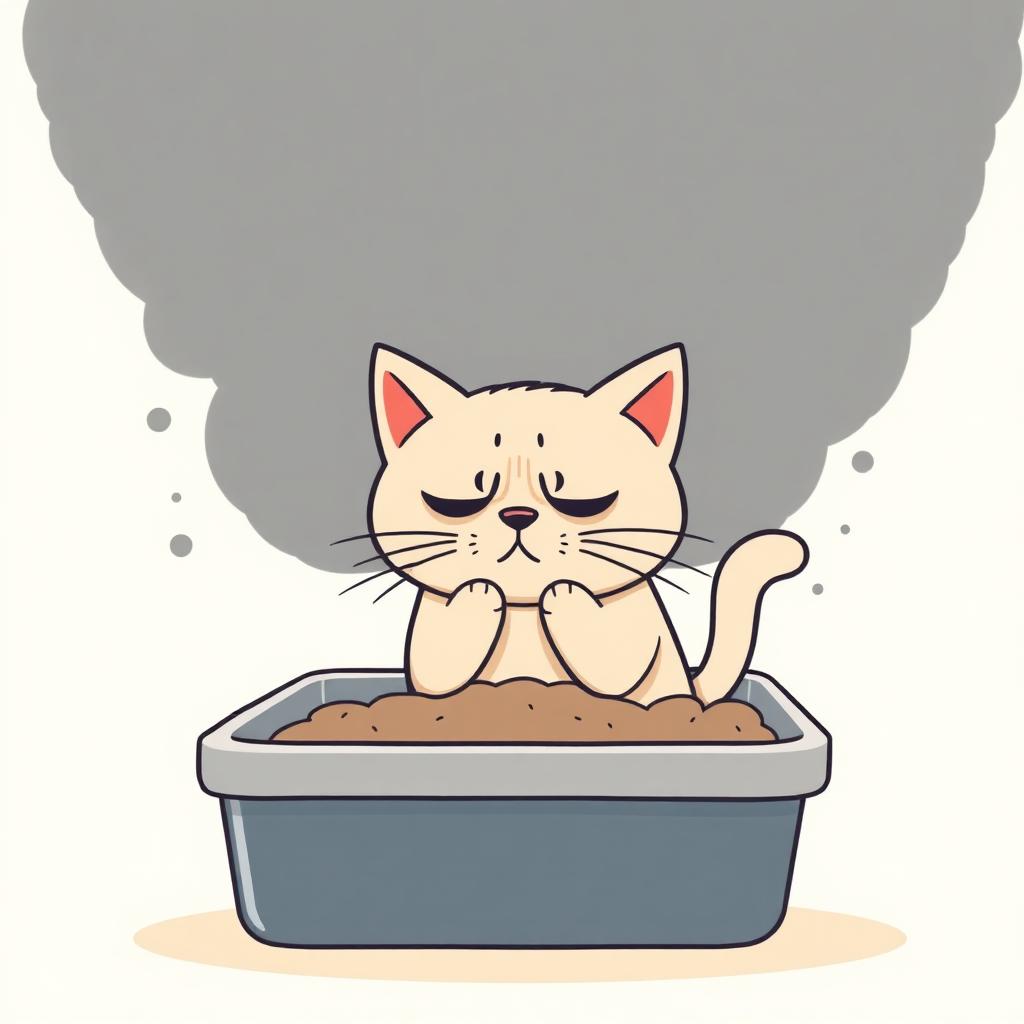
- The box smells fine on day one, then turns sour or sharply ammonia-like by midweek
- One litter tracks everywhere or sticks to paws, leaving grit around the box
- A cat refuses the new texture and starts holding urine or avoiding the box
- Dust, weight, and daily scooping turn a simple litter change into a chore
- Choose litter by how it handles urine every day, not just how it smells right after pouring
- Match texture to your cat’s preferences first; even a high-performing litter fails if the cat avoids it
- Use a slow 5–7 day transition and keep box depth consistent to reduce rejection
- If you want plant-based clumping with easy cleanup, a tofu litter like NEKO can suit homes that find wheat too dusty or sticky
What cat owners are really comparing with crystal vs wheat litter
Most people searching crystal vs wheat litter are not comparing ingredients for fun. They are trying to solve four daily problems: urine smell, stool smell, tracking, and whether the cat will actually use the box without drama. Crystal litter is usually made from silica gel granules that absorb moisture into porous beads. Wheat litter is a plant-based litter made from processed wheat, typically designed to clump when wet. That difference matters because these litters behave very differently over a normal week. Crystal often feels drier at first and can hold a lot of urine before the box looks saturated. Wheat usually makes spot-cleaning easier because urine forms clumps you can remove. The tradeoff is texture, dust, and odor pattern over time. A single-cat apartment with one box has different needs from a multi-cat household, a senior cat with sensitive paws, or a home with a litter-tracking problem. So the better litter is not the one with the best package claims. It is the one that fits your cleanup habits, your cat’s tolerance for texture, and how much odor you will accept between full changes.
How crystal litter works day to day
Crystal litter manages moisture by absorption, not traditional clumping. Urine sinks into the silica granules, and some moisture gradually evaporates while odor compounds are trapped to a degree inside the beads. This is why crystal litter can seem impressively low-maintenance in the first few days. You usually scoop stool and stir the box so damp crystals are redistributed. The catch appears later. Because urine is not removed in solid clumps, waste remains in the box until the full litter change. If your cat pees heavily, or if you have more than one cat using the same tray, the litter can move from neutral to sharp-smelling fairly quickly once the absorbent capacity is partly spent. Some owners also dislike the visual ambiguity. A clumping litter shows exactly where the waste is. Crystal litter does not. Texture is another real issue. Many crystals are angular or firm underfoot, and some cats accept that without complaint while others hesitate, perch on the edge, or start seeking softer surfaces. Tracking tends to be moderate rather than catastrophic, but stray crystals can travel surprisingly far and are not pleasant to step on barefoot. That is the sort of feedback no one needs at 6 a.m.
How wheat litter behaves in a real litter box
Wheat litter usually works by absorbing liquid and forming clumps that can be scooped out daily. That makes its cleanup logic easier for many owners. Urine leaves the box instead of building up inside it. In practice, this often means more consistent odor control over several days, provided you scoop at least once daily and keep enough clean litter in the tray. Wheat can also feel softer and more familiar under a cat’s paws than crystals, which may help with acceptance, especially for kittens, seniors, or cats that already seem picky about texture. But wheat is not universally easier. Some formulas break down if the box is too shallow or if clumps are left too long, creating sticky patches on the bottom of the tray. Depending on the grind, wheat litter may track more than crystal because smaller particles cling to paws and fur. Dust varies widely by product and by how roughly the bag is handled. Another concern some owners notice is a grain-like odor when freshly poured, which some people barely register and others dislike immediately. In humid rooms, plant-based litters can also feel heavier faster because they take on environmental moisture. Wheat can work very well, but it rewards regular scooping more than crystal does.
Odor control: fresh smell versus end-of-week smell
Odor control is where many comparisons go wrong because people judge litter too early. A litter can smell clean right after setup and still become difficult by day four. Crystal litter often wins the first impression test because the box stays visually dry and there may be little smell after a fresh pour. That benefit can fade once the granules have absorbed repeated urine without anything being removed except stool. The result is often a delayed odor spike rather than a steady, manageable level. Wheat litter tends to be the opposite. If you scoop promptly, the source of urine odor leaves the box as clumps, so the smell profile can stay more stable. Stool odor control depends less on ingredient type and more on how fast you scoop and whether the box has enough clean litter to cover waste. For households sensitive to ammonia smell, clumping often has an advantage because urine does not sit in the tray all week. For households that hate daily maintenance, crystal may feel easier at first but can punish procrastination later. The practical lesson is simple: if you want to ignore the box for longer stretches, neither option performs miracles. If you can commit to daily scooping, wheat often delivers more predictable odor control over time.
Dust, tracking, and cleanup effort around the box
Dust and tracking matter more than marketing admits because they affect your floors, your air, and how much you resent the litter box. Crystal litter is usually lower in visible dust during scooping, although some products shed fine particles as the granules break down. Tracking tends to happen as scattered beads rather than a broad film of litter, which means fewer tiny particles everywhere but more painful surprises underfoot. Wheat litter can range from fairly tidy to annoyingly pervasive depending on particle size and clump strength. Finer wheat granules often track more, especially with long-haired cats or cats that launch out of the box like they are escaping a minor tax audit. Dust can also rise when pouring or when vigorous digging breaks down older litter. Cleanup effort differs in a more important way: crystal asks less from you each day but more on full-change day, because all the retained urine leaves at once. Wheat asks more from you daily through scooping, but the box can stay cleaner overall if you keep up with it. A litter mat, high-sided box, and consistent fill depth help both types. If your main frustration is sticky residue, weak wheat clumps are usually the culprit. If your frustration is sudden odor collapse, overused crystal is often to blame.
Which cats usually prefer which texture
Cat acceptance is not a side issue. It is the deciding factor. A litter that performs well on paper is useless if your cat avoids it, perches awkwardly, or starts using rugs and laundry piles instead. Many cats prefer a finer, softer substrate because it feels easier to dig in and cover with. That can favor wheat over crystal, especially for kittens, seniors, declawed cats, or cats recovering from paw sensitivity. Crystal litter can work perfectly well for confident adult cats that are not texture-sensitive, but some cats object to the larger, firmer granules. Watch for subtle signs before outright refusal: longer sniffing at the box, only using one corner, leaving waste uncovered, or stepping in and backing out repeatedly. These are often texture objections, not behavioral mysteries. Box setup matters too. A small box can make any litter seem worse because the cat cannot avoid damp spots. Keep the depth similar when testing a new litter so the texture comparison is fair. If your cat has a strong history of rejecting changes, a gradual switch is mandatory. In homes where wheat still tracks too much or becomes pasty, a plant-based tofu litter such as NEKO can be a sensible middle ground because it remains soft under paw while offering cleaner clumps than some grain-based litters.
Best fit by household: apartment, multi-cat home, senior cat, allergy-prone owner
The right litter depends heavily on who is living with it. In a small apartment, odor spikes are harder to hide, so a scoopable litter like wheat often makes sense if you are disciplined about maintenance. In a multi-cat home, crystal litter can get overwhelmed because several cats are loading urine into the same absorbent bed without removing it. Multiple boxes help, but in many busy homes a strong clumping litter is easier to manage. For senior cats, paw comfort and easy footing matter more than clever materials. Softer plant-based litters usually have an edge over hard crystals. For allergy-prone owners or anyone bothered by dust, the answer is more nuanced. Some crystal litters feel cleaner during use, while some wheat litters shed more dust when poured or heavily scratched. But dust performance varies by formula and by how old the litter is. If dust is your biggest issue, test a small amount before committing. Also consider your tolerance for lifting weight. Some wheat litters can feel heavier as they absorb moisture, whereas crystal can stay lighter until replacement day. If you need one simple rule: crystal tends to suit owners who want fewer daily tasks, while wheat tends to suit owners who prioritize removable waste, steadier odor control, and often better texture for the cat.
How to test either litter without risking litter box refusal
A poor litter transition creates fake results. If you dump out the old litter and replace it overnight, you are not learning whether crystal or wheat is better. You are testing whether your cat tolerates abrupt change. Start with a clean box and add the new litter gradually over about 5–7 days, increasing the proportion every day or two. If you have multiple boxes, the easiest method is to keep one box on the familiar litter and offer a second with the new litter, then watch actual usage. Maintain the same box style, location, and fill depth so only one variable changes. Scoop on a fixed schedule during the trial. Crystal needs stool scooping and regular stirring. Wheat needs prompt clump removal. Keep notes on four things: smell at 24 hours, smell at 72 hours, tracking around the box, and whether the cat uses the tray confidently. If the cat starts hovering, eliminating less often, or choosing soft surfaces elsewhere, stop the test and return to the accepted litter. Health always beats comparison-shopping. When owners want plant-based litter but struggle with wheat’s tracking or variable clumps, this is the point where trying a tofu litter can be reasonable. The goal is not ideological purity. It is a box your cat uses and a cleanup routine you can maintain without bargaining with yourself every evening.
When neither crystal nor wheat is the best answer
Sometimes the honest answer is that both options miss the mark for a particular home. If your cat is highly texture-sensitive and also produces large urine clumps, crystal may feel too hard while wheat may turn sticky or track too much. If you travel often and expect a litter to manage several days of neglect, crystal may hold on longer visually but can become harsh-smelling once saturated, while wheat can fail if clumps sit too long. Humid bathrooms can also expose weaknesses in plant-based litters, and very active diggers can grind both litter types into a mess for different reasons. This is where it helps to think in terms of performance traits rather than labels. You may need soft texture, firm clumps, low dust, and moderate tracking, not specifically wheat or crystal. Tofu litter is often considered by owners in that exact situation because it is plant-based, typically clumps cleanly, and can be easier to scoop than some grain litters. That does not make it automatically superior, but it is worth considering if your real problem is not material identity but daily livability. The best litter is the one your cat accepts consistently, your household can maintain without shortcuts, and your nose does not resent by Thursday.
Common questions
Is crystal vs wheat litter better for odor control?
It depends on your cleaning style. Crystal can smell very good at first because it absorbs moisture and keeps the surface dry. Wheat often controls odor more consistently over several days because urine clumps are removed from the box. If you scoop daily, wheat usually has the advantage in steady odor control. If you want less daily scooping, crystal may feel easier until it reaches saturation.
Do cats usually prefer crystal litter or wheat litter?
Many cats prefer softer, finer litter, which can give wheat an edge. Crystal granules are often larger and firmer, and some cats dislike that texture. Kittens, seniors, and cats with sensitive paws are more likely to object to crystals. The only reliable test is your own cat’s behavior during a gradual transition.
Which tracks more, crystal or wheat cat litter?
Wheat often tracks more because smaller particles cling to paws and fur. Crystal usually tracks as scattered beads rather than a fine trail. That can mean less overall mess on floors, but stepping on stray crystals is not exactly charming. A litter mat and higher-sided box help with both.
Is wheat litter dustier than crystal litter?
Often, yes, but not always. Many crystal litters create less visible dust during scooping, while some wheat litters release more dust when poured or scratched aggressively. Older litter of either type can break down and become dustier. If dust is a top concern, test a small bag first and watch both pouring and daily use.
Can I flush crystal or wheat litter?
Do not assume either one is safely flushable just because it is marketed as convenient or plant-based. Plumbing systems vary, and many vets and plumbers recommend putting used cat litter in the trash. Even when a litter claims flushability, local sewer rules and septic systems may make that a bad idea.
What if I want plant-based litter but wheat does not work in my home?
That is a common outcome. Some owners like the idea of wheat but dislike tracking, stickiness, or variable clumps. In that case, a tofu litter can be a good next step because it stays plant-based while often clumping more cleanly. NEKO is one option for homes that want softer texture and easier scooping without moving to crystal.
One switch. Four problems, gone.
Start a NEKO subscription and get your first 7L bag for 40% off. Free shipping, delivered every 4–6 weeks. Skip, pause, or cancel anytime.